Time for Andrew: A Ghost Story
44 pages • 1-hour read
Mary Downing HahnTime for Andrew: A Ghost Story
A modern alternative to SparkNotes and CliffsNotes, SuperSummary offers high-quality Study Guides with detailed chapter summaries and analysis of major themes, characters, and more.
Chapters 1-6Chapter Summaries & Analyses
Chapter 1 Summary
Drew and his parents drive up to an old, haunted-looking house in Missouri. Drew is overcome with dread and reconsiders the choice to spend the summer with his Great-Aunt Blythe in their ancestral family home rather than go to camp Tecumseh. Drew’s father reminds him that his “pal” Martin would be at camp, and Drew remembers how Martin relentlessly bullied him during the school year. He decides that anything would be better than spending the summer with Martin.
The sky darkens and a mysterious wind begins to blow. They drive through bushes and scraping branches. The house appears derelict, with peeling paint and thick ivy vines. Aunt Blythe rushes out to greet them along with the family dog, Binky, and Drew momentarily forgets about his trepidation in his excitement to see his beloved great-aunt. Aunt Blythe asks what they think of the house and comments on how she enjoys a challenging project like home restoration in her retirement. She warns everyone that her father, who lives in the house, is cantankerous and conflates the past and present.
As the storm begins, Drew catches a glimpse of something small and white in the upstairs window that looks like a face. He convinces himself that it must have been an illusion and runs inside.
Chapter 2 Summary
When Drew enters the house, everything is quiet, as though his family has disappeared. He marvels at the spooky stained-glass interior. Down the hall, he hears his parents telling Aunt Blythe how nervous and insecure Drew is, counseling her to get him outside and keep him from spending all summer with his nose in a book. Drew barges into the room, angry but unable to express it to his family. He notices an “A” carved into the table and runs his finger over it again and again. His father recounts how there have been many “Andrews” in the family, though Father (a nickname for Drew’s great-grandfather) was quite upset to learn that Drew was going to be named “Andrew.” Ever since Drew’s christening, Father withdrew from his life, never bothering to send a birthday card.
Then, it’s time for Drew’s parents to leave for St. Louis and make their way to France, where Drew’s father received an archeology grant to excavate Roman ruins for the summer. Drew tries to convince them not to leave, but his parents tell him he is too old to cry. He angrily runs off to the first room he can find, hoping to avoid crying in front of his family. He is surprised to discover the room occupied by Father. Father responds angrily, claiming that the house is his now and he doesn’t want Drew anywhere near him. Drew’s father tries to explain who he and Drew are, but Father continues to be hostile toward Drew, calling him a “wicked boy.” Drew’s parents finally leave, and Drew finds the house even scarier than before. He decides that nothing is scarier than his great-grandfather.
Chapter 3 Summary
Aunt Blythe shows Drew to his room. He furiously unpacks and turns on all the lights, hoping his activity will scare away the ghosts. When he feels scared, he considers running downstairs but doesn’t want Aunt Blythe to see him behave like a baby for the second time. He opens a closet door and discovers stairs leading up to the attic where he saw the ghostly white face. He slams the door shut and listens but hears nothing. Drew thinks he smells roast chicken and runs down to the kitchen, only to discover Aunt Blythe cooking spaghetti.
Father comes to dinner and immediately reacts hatefully towards Drew, refusing to eat with him. Aunt Blythe takes him a tray of spaghetti to eat in his room. After dinner, Drew sits with Aunt Blythe while she sews a quilt. Drew asks Aunt Blythe if she believes in ghosts. Aunt Blythe takes his question seriously and considers that an old house like this can be full of echoes of the people who once lived here. That night, Drew is awoken by a swirl of cold air and a creaky sound as the door to the attic hangs open. Drew pulls Binky into bed with him.
Chapter 4 Summary
The next morning, Aunt Blythe gives Drew a tour of the house. In the attic, Aunt Blythe goes through old family heirlooms and finds a stack of photos. She points out Hannah, a cousin of Father’s with beautiful and sparkling eyes, and Theo, an angelic-looking boy, both of whom Father hated. Drew picks up a photo from the floor and discovers that he looks exactly like the boy in the picture. Aunt Blythe recalls that Hannah and Theo had another brother named Andrew who died. She marvels at how strange it is that Drew shares a name and face with his deceased relative. Spooked, Drew makes for the door. His foot goes through a rotted wood plank, and he falls flat on his face.
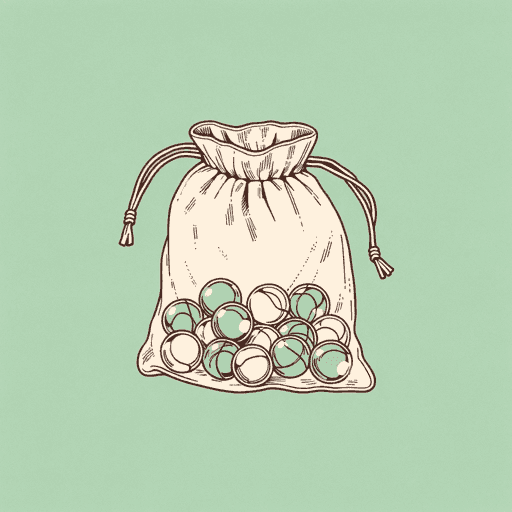
In the space under the broken board, Drew discovers a dusty cigar box containing a candle, a piece of chalk, and a pouch. Drew empties the pouch, and marbles pour out across the floor. Aunt Blythe is excited to see beautiful old marbles in such good condition and collects them, telling Drew of her days as a playground marble champion. Drew finds a note at the bottom of the box explaining that these marbles belong to Andrew and anybody who takes them will be sorry. Aunt Blythe wants to sell the marbles to a collector to pay for renovations on the house, but Drew strongly feels like it is wrong to take these marbles from the bed. As Aunt Blythe takes them away, Drew has a bad feeling.
Chapter 5 Summary
Aunt Blythe agrees to return the marbles but only once it is morning. Drew is afraid to go to bed and tiptoes up the stairs. For a moment, he sees the ghostly sight of two women in long dresses hugging each other and sobbing outside his door. Before he knows it, the apparition disappears. He clings to Binky and pulls the rocking chair in front of the door to the attic, hoping he didn’t really see a ghost. Drew goes to sleep hugging Binky.
After dreaming about marbles and angry words from Father, Drew wakes up to the sound of footsteps coming down from the attic. A boy in a white nightshirt totters down the stairs, struggling to catch his breath. A terrified Drew recognizes Andrew from the picture. Andrew accuses Drew of stealing his marbles and sleeping in his bed. Drew tries to explain that Andrew is long dead, but Andrew doesn’t understand. Despite his terrible fever, Andrew remembers his mother and sister crying outside his door; Drew recognizes they must have been the crying ghosts he saw earlier. Drew and Andrew argue about whether they can possibly be alive. Drew realizes that this must be the night Andrew died. He realizes that somehow Andrew traveled across time in an effort to keep himself from dying.
Chapter 6 Summary
Drew and Andrew try to figure out what happened. Andrew recounts the events in his night: The doctor said he would die of diphtheria by morning. Hannah was sleeping in the rocking chair, insisting she stay with Andrew all night. He dreamed of marbles and awoke, knowing somebody has stolen his stash. He floated up the stairs and found the empty hole in the floor. When he came back down, Drew was in his bed. Drew and Andrew deduce that instead of dying, Andrew went through a hole into the future.
Drew realizes that modern medicine could cure Andrew. Andrew suggests they switch shirts and Drew hides in the closet until Andrew can get medicine. Drew helps a weak Andrew change and eases him into bed. Drew fetches Aunt Blythe and tells Andrew not to die. Drew retreats into the attic where the room goes dark and the floor starts to tilt. Suddenly, his head aches and he can’t catch his breath. He believes Andrew tricked him and now may die of diphtheria in his place.
Chapters 1-6 Analysis
The first six chapters of this novel introduce the main characters of the novel, the genre, and the supernatural premise that will drive the plot. From the outset, Drew’s struggle with Defining Masculinity is evident. He is anxious about spending the summer with his Great-Aunt Blythe instead of going to camp Tecumseh, largely because of his negative experiences with his bully, Martin. This choice highlights Drew’s vulnerability and the societal expectation that boys should face their fears head-on, rather than seek a safer, albeit unconventional, refuge. His father’s dismissive attitude toward Drew’s anxiety, suggesting that he should be outdoors instead of with his nose in a book, further underscores the effect of these gender norms. Drew chafes against his father’s description of him but continues to embody it, finding himself unable to speak up and explain why these words were hurtful. Drew chastises himself for being sensitive but cannot find any way to change who he is.
In conversation with the topic of masculinity are Drew’s feelings of inadequacy and isolation regarding his identity. Drew’s father recounts the lineage of “Andrews” in the family, pointing out how Drew’s great-grandfather was unhappy about Drew’s name. The names signify a generational pressure to live up to a familial legacy, one that Drew feels incapable of fulfilling. Drew’s father represents a more traditional, stoic form of masculinity, one that leaves little room for emotional expression or perceived weakness, which is why he tells Drew he is “too old to cry.” Additionally, Andrew immediately presents as Drew’s foil, introducing a counterpoint to Drew’s softer form of masculinity. Andrew writes that anybody who steals his marble bag will be “sorry.” Andrew seems unafraid of Drew and merely disgruntled at the prospect of dying while Drew quivers in fear.
These chapters also set up Drew’s inner journey to develop Personal Growth and Confidence. His reluctance to go to camp and his experiences in the ancestral home highlight his struggle to define himself against the backdrop of familial expectations and personal fears. The discovery that he looks exactly like a deceased relative, Andrew, and the subsequent supernatural encounters, serve as a catalyst for Drew to explore his identity more deeply. The supernatural elements, particularly Andrew’s time-travel-like journey, symbolize Drew’s internal conflict and his grappling with his sense of self. When Drew and Andrew switch places, it is not just a physical exchange but also a symbolic act as Drew steps into the shoes of a bolder and more self-assured person. When Drew overheard his parents warning Aunt Blythe that Drew was prone to being nervous and fearful, he felt constrained by their expectations and understanding of him. When he steps into Andrew’s shoes, there is a new set of expectations that he will have to embody.
Even before Andrew’s character is introduced in the narrative, there is a clear tension between past and present attitudes, symbolized by the haunted house and the presence of Drew’s cantankerous great-grandfather, referred to as Father. Father’s disdain for Drew, calling him a “wicked boy,” and his claim over the house reflect outdated, patriarchal views that conflict with more modern, empathetic understandings of child-rearing and masculinity. Aunt Blythe’s character embodies a more progressive stance, as she takes Drew’s fears and interests seriously and engages with him thoughtfully. The conversation about ghosts between Drew and Aunt Blythe serves as a metaphor for the lingering effects of past attitudes on the present. The house, filled with “echoes” of previous inhabitants, suggests how old societal norms and expectations continue to haunt contemporary lives, especially in terms of gender roles and familial duties. These conservative views of characters figuratively or literally stuck in the past introduces a discussion about Parenting Styles Across Generations that will be further elaborated on in future sections.
These chapters intertwine themes of masculinity, societal change, and identity through Drew’s interactions with his family, both living and deceased. The haunted house serves as a powerful metaphor for the weight of historical expectations and the struggle to carve out a new identity amidst these pressures. Drew’s journey from fear and insecurity toward a more proactive and empathetic stance in saving Andrew represents a significant step in his personal growth and an implicit critique of traditional masculinity and its impact on self-identity. This narrative not only charts Drew’s path toward self-discovery but also reflects broader societal shifts in understanding and accepting different expressions of masculinity and personal identity.

Unlock all 44 pages of this Study Guide
Get in-depth, chapter-by-chapter summaries and analysis from our literary experts.
- Grasp challenging concepts with clear, comprehensive explanations
- Revisit key plot points and ideas without rereading the book
- Share impressive insights in classes and book clubs