Touch Blue
50 pages • 1-hour read
Cynthia LordTouch Blue
A modern alternative to SparkNotes and CliffsNotes, SuperSummary offers high-quality Study Guides with detailed chapter summaries and analysis of major themes, characters, and more.
Background
Geographical Context: Island Life, Lobstering, and Local Superstitions in the Gulf of Maine
The remote setting of Bethsaida is based on the real rural communities on the islands in the Gulf of Maine, which are marked by both natural beauty and adversity. In creating Touch Blue, author Cynthia Lord drew from her experiences teaching in a one-room schoolhouse on an island in the Casco Bay. The author incorporates the region’s wildlife into the story to advance the characters’ development and convey their relationship with their environment. For example, Aaron reveals his gentler side by rescuing mussels from being devoured by seagulls. Tess’s love of the local harbor seals emphasizes that closeness to nature is an essential part of what “home” means to her, intensifying the stakes of losing the school and having to move to the mainland.
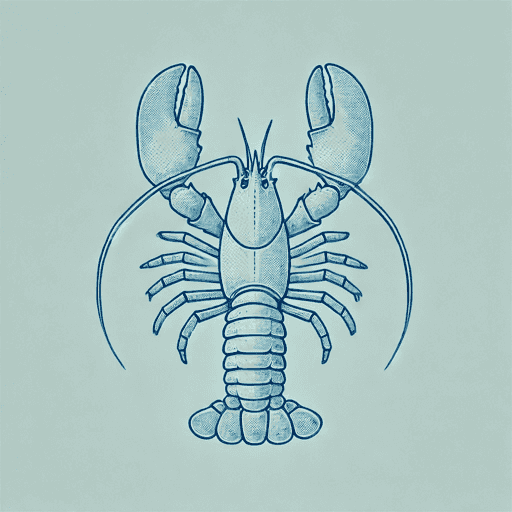
Like the protagonist’s father, many people living in the Gulf of Maine rely on lobsters for their livelihood. This fosters a deep relationship between the fishermen and their environment: “When the survival of you and your family is intrinsically tied to the natural world, sustainability isn’t a new marketing ploy, but a lifeline you grasp with both hands” (“The Lobstering Life.” Visit Maine). Mr. Brooks describes lobstering as “a hard, dangerous way to make a living” (55), and Tess observes that some fishermen “barely catch enough to cover their costs” (47). The physical dangers and financial precarity that lobstermen face on a daily basis influence the novel’s examination of Superstition as an Attempt to Cope With Life’s Uncertainties. Maritime superstitions have been an important part of Maine’s culture throughout the state’s history, and lobstermen keep these traditional beliefs alive today: “Like any tightly-knit subculture […] Maine’s fishing community is rife with superstitions. Whistling will bring on harsh winds, and saying ‘we’re having a great day’ or ‘the weather’s getting better’ is just asking for your luck to run out” (“Lobster Boats, Buoys and Superstitions.” Visit Maine). The novel’s main character relies on beliefs like these to feel a sense of control over her life, bringing her lucky charms onto her father’s lobster boat in the hope of ensuring a good catch and “touching blue” sea glass to wish that her new foster brother will choose to stay on Bethsaida.
The tight community boundaries that come with living on an island shape the characters’ relationships with the setting and one another. Bethsaida’s remoteness encourages a close-knit community among the island’s residents. At first, Aaron finds this level of attention and familiarity stifling, and being isolated from the rest of the world makes him feel trapped: “I’m getting off this island and going home—even if I have to swim!” (121). Likewise, Tess recognizes some of the downsides of a small community, such as the fact that “living on a scrap of land only a handful of miles wide” makes it “harder to get away from the people who annoy you” (19). However, she also cherishes her caring and helpful neighbors. Many key moments in the plot occur during community events, such as the Fourth of July picnic and the talent show, demonstrating the importance of tradition and fellowship in the islanders’ lives. As the novel unfolds and Aaron engages more with the other islanders, he learns to appreciate being part of a close-knit community. The novel’s remote setting shapes its cast of characters, realistic atmosphere, and message of belonging.

Unlock all 50 pages of this Study Guide
Get in-depth, chapter-by-chapter summaries and analysis from our literary experts.
- Grasp challenging concepts with clear, comprehensive explanations
- Revisit key plot points and ideas without rereading the book
- Share impressive insights in classes and book clubs