Touch Blue
50 pages • 1-hour read
Cynthia LordTouch Blue
A modern alternative to SparkNotes and CliffsNotes, SuperSummary offers high-quality Study Guides with detailed chapter summaries and analysis of major themes, characters, and more.
Symbols & Motifs
Tess’s Lucky Charms
Tess’s lucky charms serve as a motif representing Superstition as an Attempt to Cope With Life’s Uncertainties. At the beginning of the novel, Tess places great stock in local superstitions. This is reflected in her collection of lucky charms, which include “two pennies from the year [she] was born, a teeny plastic lobster, the white quartz heart Amy gave [her], [and] the shard of pottery with the sloop painted on it” (183). She hopes that carrying these cherished objects with her will positively influence the course of events. For example, she brings her collection of lucky charms on her daily excursions on her father’s lobster boat as an attempt to secure their safety and good catches.
One of Tess’s most important lucky charms is the “palm-sized circle of blue sea glass” she finds while waiting to meet Aaron for the first time (1). The sea glass’s coloration connects to the novel’s title, which comes from the islanders’ saying “Touch blue and your wish will come true” (1). Over the course of the story, the wishes that Tess makes on the sea glass represent attempts to influence circumstances that are largely beyond her control. Many of these wishes center around her hope that Aaron will stay on the island so that she won’t have to leave the only home she’s ever known. By the end of the novel, Tess’s experiences with her foster brother teach her that some things in life are beyond her control. As a result, she drops all her lucky charms into the sea, demonstrating that she no longer relies on superstition to feel in control and accepts life’s uncertainties.
Music
Music functions as a motif representing The Need for Connection and Belonging. Aaron is the novel’s most musically skilled character, and music is closely tied to his sense of belonging. His beloved late grandmother taught him how to play the piano, and making music helps him feel close to his biological mother, even though they have been separated for years: “Sometimes when I practice, I imagine Mom’s right next to me listening” (142). When Aaron first comes to the island, he tells Tess that he doesn’t “like to play for other people” (19). This statement reflects the guarded boy’s initial focus on using music to hold onto his connections to his distant biological family members rather than to build a sense of belonging with his new foster family and community. In addition, his declaration that he “hate[s] playing what other people want” connects to his previous negative experiences that make him feel as if “everyone expects [him] to be someone [he’s] not” (90, 97). Aaron’s love of jazz and musical improvisation reflects his need to be accepted for who he is in order to find belonging and thrive.
As the story unfolds, Aaron gradually uses music to forge new connections and cultivate a sense of belonging on Bethsaida. Tess recognizes that her foster brother’s musical ability can help him find his place as a member of the community, and his performances at the Fourth of July picnic and the talent show help the other islanders better understand and appreciate him. Although these events are complicated by Eben’s bullying and Natalie’s disapproval of Ms. Spinney’s visit, they offer important opportunities for Aaron to receive positive recognition for his abilities and self-expression.
Near the end of the novel, he plays his trumpet for his biological mother after he finally expresses the pain and anger he feels because of her actions. His “strange and brave and wonderful” song signals that he still wants to hold onto his connection with his mother, even though their relationship is complicated (174). The thematic importance of music is further emphasized when Tess and her family discover that Aaron has chosen to stay on the island through his decision to become the new church organist, a decision that affirms the sense of belonging he has cultivated with his foster family and the island community as a whole. The motif of music traces Aaron’s journey to find a place he belongs and demonstrates art’s power to connect people.
The Blue Lobster
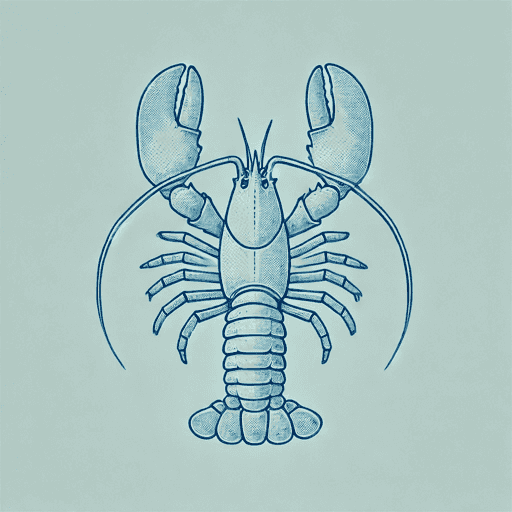
The blue lobster enters the novel as a symbol of superstition but evolves into a symbol of belonging. Tess captures the crustacean in Chapter 20, and her awed reaction shows the importance she places on local superstitions, particularly the belief that blue is a lucky color: “I stare, frozen in place. Inside the trap’s a brilliant blue lobster! Blues are rare, and this one’s the most beautiful color I’ve ever seen: a gleaming, summer-sky blue” (151). Aaron deflates her excitement with his “concerned” and “disgusted” reaction to her plan to sell the lobster to an aquarium, where it will “live in a strange place and have people watch [it] all day” (152). The children’s opposing reactions to the lobster highlight their differing perspectives on life. Tess’s fixation with luck reduces a living creature to an object, like the rest of her good-luck charms. In contrast, Aaron empathizes with the animal because he sees a reflection of his own loneliness and displacement in the lobster’s capture.
At the end of the novel, Tess decides to let Aaron release the lobster, prioritizing her connection with her foster brother over the financial reward she would gain from selling the animal. Her choice reflects how her bond with Aaron has become more important to her than her initial goal of keeping the school open. Tess explains that they released the lobster in a different spot than where she caught it but that it “can be a home for him, if he’ll let it be” (184), offering a clear analogy for her hope that Aaron will allow himself to make Bethsaida his home. The evolving significance of the blue lobster supports the novel’s happy ending by showcasing the growth of Tess and Aaron’s relationship.

Unlock the meaning behind every key symbol & motif
See how recurring imagery, objects, and ideas shape the narrative.
- Explore how the author builds meaning through symbolism
- Understand what symbols & motifs represent in the text
- Connect recurring ideas to themes, characters, and events