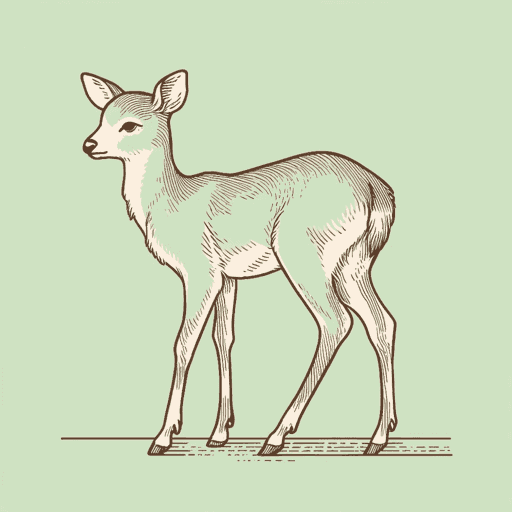
Traveling through the Dark
Traveling through the Dark
A modern alternative to SparkNotes and CliffsNotes, SuperSummary offers high-quality Study Guides with detailed chapter summaries and analysis of major themes, characters, and more.
Further Reading & Resources
Related Poems
“Stopping by Woods on a Snowy Evening” by Robert Frost (1922)
A poem frequently compared to William Stafford’s, “Stopping by Woods” also features a sensitive speaker who pauses far from civilization to contemplate death and nature. Both speakers move in the end to shake off their contemplative hiatuses to return to their human worlds.
“The Poet in Nature” by Walt Whitman (1874)
A poet Stafford much admired, Whitman here offers his most radiant and expansive vision of nature’s power and his faith that humanity is fused to that power. Because we are part of nature, we get to participate in nature’s glorious resistance to endings—an optimism that informs Stafford’s vision.
“Spirit of Place: Great Blue Heron” by William Stafford (1968)
The gentle pessimism of “Traveling Through the Dark” can be contrasted with this sweeping celebration of the majestic blue heron. Stafford assures us that through believing in nature and never forgetting our place within—rather than apart from—the wild, humanity can skirt the edge of doom.
Further Literary Resources
“William Stafford’s ‘Travelling Through the Dark’: An Analysis” by A. J. Black (1964)
Among the earliest and most impactful readings of Stafford’s poem, Black’s analysis was the first to suggest something darker behind Stafford’s apparently simple narrative, something “profound lying beneath the poem’s easy, conversational tone.” The article explores Stafford as an environmental poet and the dead deer as emblematic of humanity’s crisis with its own ecosystem.
“An Interview with William Stafford” by Cynthia Lofsness (1973)
A wide-ranging and probing interview with Stafford, this article touches on Stafford’s admiration for Whitman’s Transcendentalism, his relationship with his father, and his belief that poetry should reflect and elevate the day-to-day experiences of the poet. Each theme is critical to understanding the themes of “Traveling Through the Dark.”
“The Forgiving Landscape: The Poetry of William Stafford” by Malouika Mukerji (1981)
Begun as a master’s thesis, this article was among the first to position Stafford in post-WWII American poetry. The article argues that Stafford, despite drawing on his own experiences, could not fit easily into the genre of introspective confessional poets. Rather, Stafford created a different genre in which the poet expressed concerns about their cultural moment and the crises it faced.
Listen to the Poem
William Stafford reads “Traveling Through the Dark”
To recreate the experience that led to the poem, the video depicts in grainy black and white the spot on Wilson River Road where Stafford’s encounter with the dead deer occurred. Stafford explains the origins of the poem; as he shared the story of the doe with his kids, he realized its potential. His reading of the poem closes the video.

Get in-depth, chapter-by-chapter summaries and analysis from our literary experts.
- Grasp challenging concepts with clear, comprehensive explanations
- Revisit key plot points and ideas without rereading the book
- Share impressive insights in classes and book clubs