Weyward
57 pages • 1-hour read
Emilia HartWeyward
A modern alternative to SparkNotes and CliffsNotes, SuperSummary offers high-quality Study Guides with detailed chapter summaries and analysis of major themes, characters, and more.
Summary
Background
Chapter Summaries & Analyses
Character List
Character Analysis
Themes
Symbols & Motifs
Important Quotes
Essay Topics
Book Club Questions
Tools
Book Club Questions
Weyward
1. General Impressions
Gather initial thoughts and broad opinions about the book.
- What did you think of Weyward? How would you describe the novel’s genre?
- What was your favorite aspect of the novel (consider style, characters, plot points, etc.)? What was your least favorite element?
- Have you encountered other novels that use fantastical elements to make social critiques? How does Weyward compare?
2. Personal Reflection and Connection
Encourage readers to connect the book’s themes and characters with their personal experiences.
- Which of the novel’s three storylines did you find most impactful, and why?
- How did you feel about the novel’s portrayal of its male antagonists? Did they strike you as flatly villainous figures or as round characters in their own right? If the latter, how so? If the former, do you think this detracts from the novel’s effectiveness? Why or why not?
- Altha’s journal provides Violet with crucial information and inspiration centuries after Altha’s death. Has your life ever changed substantially thanks to someone you never actually met?
- The Weyward women have a unique connection to nature. How would you describe your own relationship to the natural world? Why do you think so many people find nature to be a source of comfort, inspiration, power, etc.?
3. Societal and Cultural Context
Examine the book’s relevance to societal issues, historical events, or cultural themes.
- Consider the novel’s depiction of domestic abuse. What factors does it suggest contribute to the prevalence of such abuse, particularly against women? What solutions does it offer, and are those solutions equally relevant in instances where the person experiencing abuse is not a woman and/or is not in a relationship with a man?
- Women are often stereotyped as being more in tune with nature than men; at the same time, ecofeminism and associated movements have posited a connection between patriarchal oppression and human exploitation of the environment. How does Weyward’s depiction of the relationship between women and nature intervene in this debate?
- Individual men’s attempts to control women’s reproductive capacity play a key role in several of the characters’ stories. Discuss this motif in light of contemporary debates surrounding access to abortion, birth control, etc.
4. Literary Analysis
Dive into the book’s structure, characters, themes, and symbolism.
- Consider Hart’s choice to use first-person narration for Altha’s story (as opposed to third-person narration in Violet’s and Kate’s). What effect does this have? How does it relate to Altha’s role in the novel?
- Of the three major characters, who undergoes the most significant development? How does Hart illustrate that change?
- What is the significance of the novel’s title? What does it mean for a woman to be “wayward,” according to Hart?
- What are some examples of the novel’s male characters leveraging fear to control the women in their lives? What particular fears do they prey on, and what are the limitations of that approach, according to the novel?
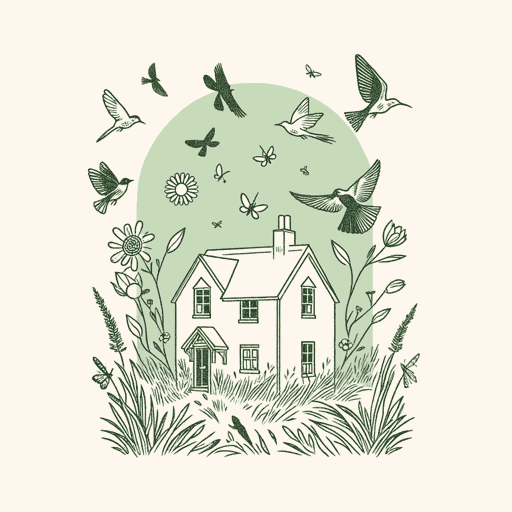
- Birds and insects feature particularly prominently as examples of the Weyward women’s connection to nature. Why might Hart have chosen these animals in particular? What symbolic associations do they have, either in the novel or culture at large?
5. Creative Engagement
Encourage imaginative and creative connections to the book.
- Suppose you were adapting Weyward for the screen. Since setting plays such a large role in this novel, either sketch a picture of how you imagine Weyward Cottage and its surroundings or find an image online that captures your vision for the set.
- Imagine that you’re a lawyer defending Altha during her trial. What would you say in court? What evidence would you present as part of her defense?

Unlock all 57 pages of this Study Guide
Get in-depth, chapter-by-chapter summaries and analysis from our literary experts.
- Grasp challenging concepts with clear, comprehensive explanations
- Revisit key plot points and ideas without rereading the book
- Share impressive insights in classes and book clubs