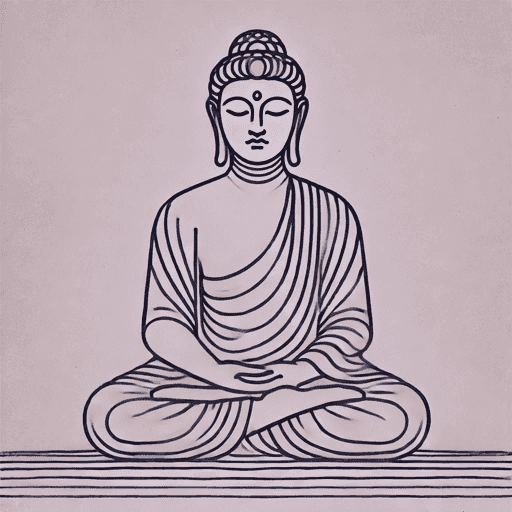
What the Buddha Taught
49 pages • 1-hour read
Walpola RahulaWhat the Buddha Taught
A modern alternative to SparkNotes and CliffsNotes, SuperSummary offers high-quality Study Guides with detailed chapter summaries and analysis of major themes, characters, and more.
Essay Topics
Rahula addresses myths and misconceptions about Buddhism. Analyze two of these misconceptions in depth, examining how they reflect broader cultural assumptions or mistranslations. Discuss why clarifying these misunderstandings is crucial to understanding Buddhist philosophy and practice.
The author repeatedly mentions how Buddhism differs significantly from other faiths. Which differences in particular does he highlight? Explore not only the doctrinal contrasts, but how these differences influence Buddhist approaches to ethics, selfhood, and spiritual authority. Why are they important? Explain.
Choose a story from the Buddhist texts and explain how it illustrates a Buddhist principle or teaching. Use quotations from the book in your answer. Then, analyze how Rahula uses this story to advance one of his broader themes, such as compassion, non-attachment, or mindfulness.
Rahula asserts that Buddhism is a particularly tolerant and non-violent religion. How does he support this claim? Consider Buddhist texts, teachings, and history, and answer in detail. Evaluate how persuasive you find his argument, and whether there are limitations or complexities to the portrayal of Buddhism as wholly peaceful.
Explain the Buddhist definition of Dukkha and its different types. Then, explore how Rahula frames Dukkha not simply as suffering, but as a gateway to understanding the impermanent and interdependent nature of life. In what ways does this resonate with you?
Rahula insists that Buddhism is neither pessimistic or optimistic, but realistic, recognizing both painful and joyful aspects of life. What are his thoughts on the role of suffering and joy in Buddhism? Consider whether this “realistic” view offers a compelling alternative to Western frameworks of happiness and morality.
The author characterizes Buddhism as an accessible and practical faith in which anyone can live out. Identify Buddhist practices that you will integrate into your own life. Then reflect on what personal, social, or ethical challenges you might face in doing so and discuss how Buddhism addresses those challenges.
Choose a passage that challenges your understanding of Buddhism. Perform independent research and write a reflection on what this passage could mean.
What is “mental culture” and what is its role in Buddhism? Go beyond the definition to analyze how Rahula frames meditation as both a spiritual and psychological tool, and how it relates to the Buddhist goal of liberation from suffering.
How did this work inform or change your understanding of the Buddha and Buddhism? Consider how Rahula’s emphasis on early texts, ethical conduct, and mental discipline reshapes modern perceptions of Buddhist practice.

Unlock all 49 pages of this Study Guide
Get in-depth, chapter-by-chapter summaries and analysis from our literary experts.
- Grasp challenging concepts with clear, comprehensive explanations
- Revisit key plot points and ideas without rereading the book
- Share impressive insights in classes and book clubs