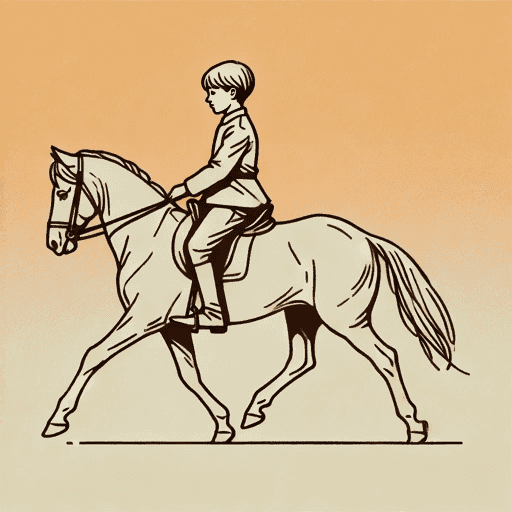
Will's Race for Home
45 pages • 1-hour read
Jewell Parker RhodesWill's Race for Home
A modern alternative to SparkNotes and CliffsNotes, SuperSummary offers high-quality Study Guides with detailed chapter summaries and analysis of major themes, characters, and more.
Book Club Questions
Content Warning: This section of the guide contains discussion of racism and graphic violence.
General Impressions
Gather initial thoughts and broad opinions about the book.
1. What was your overall reaction to the novel’s blend of a coming-of-age story with the harsh realities of a historical Western? Did you find the balance between hope and hardship effective?
2. Jewell Parker Rhodes is known for books like Ghost Boys and Black Brother, Black Brother that explore social justice and Black history. If you’ve read her other work, how does Will’s Race for Home compare in its tone and style? If this was your first book by her, are you interested in reading more?
3. What single image or scene from the Samuels family’s journey has stayed with you the most since you finished reading? What made it so memorable?
Personal Reflection and Connection
Encourage readers to connect the book’s themes and characters with their personal experiences.
1. Caesar steps in as a mentor to Will, teaching him about survival, loyalty, and the burdens of the past. Have you ever had a mentor who taught you something essential that went beyond a practical skill?
2. Will’s relationship with his father, George, transforms from one of distance to one of deep, mutual respect through their shared ordeal. Did your relationship with either of your parents change in a similar way when you were growing up?
3. The entire plot is driven by the family’s powerful desire for a place to call their own. What do you think makes a place feel like “home”? Is it about owning land, being with family, or something else entirely?
4. George’s dream of owning land is born from his past, while Will develops a new dream of raising horses on that land. How do you think your ambitions have been shaped by the dreams your families hold for us?
5. Secrets play a significant role in the story, from Anna secretly teaching Will to read to the unspoken trauma George shares with his father. Have you ever kept a big secret from someone, or has someone kept one from you? How did this affect the trust between you?
6. Belle the mule is described as Will’s “one good friend.” Have you had a similar relationship with an animal? What was it like?
Societal and Cultural Context
Examine the book’s relevance to societal issues, historical events, or cultural themes.
1. The novel is subtitled A Western, explicitly placing it in a genre that has historically marginalized Black voices. In what ways does the story embrace classic Western tropes, and where does it subvert them to reclaim the narrative for a Black family?
2. How did learning about the real-world migration of “Exodusters” and the establishment of all-Black towns in Oklahoma add depth to the Samuels family’s personal quest for freedom?
3. The animosity between Caesar, a former Union sergeant, and the ex-Confederate men like John demonstrates that the Civil War’s conflicts are still very much alive. What does the novel suggest about how historical wounds continue to influence society long after the fighting has stopped?
Literary Analysis
Dive into the book’s structure, characters, themes, and symbolism.
1. The novel presents two powerful father figures for Will in George and Caesar. How do their different experiences with violence shape their views on manhood and the lessons they try to pass on to Will?
2. What does the horizon symbolize for George at the start of the novel? How does that symbolism evolve as Will himself becomes a “far-thinking man” by the end?
3. What is the single most important moment in Will’s journey from boyhood to manhood? Was it saving Belle from the rattlesnake, his solo ride to the land rush, or his tense confrontation with the claim jumpers?
4. Will’s literacy is a key that unlocks his family’s future. Beyond his ability to read the initial flyer, in what other ways does his education give him power or a different kind of strength than the physical toughness valued on the frontier?
5. The story is told entirely from Will’s first-person perspective. How does seeing the world only through his eyes affect your understanding of the adult characters, particularly the burdens carried by George and Caesar?
6. Caesar’s guns are a complex symbol in the novel. What do they come to represent when Caesar gifts one to Will, officially passing on the responsibility of protection?
Creative Engagement
Encourage imaginative and creative connections to the book.
1. What new chapter would you add to the end of the novel? For example, what might happen when Anna and Grandpa finally arrive at the homestead?
2. Caesar teaches Will to play the song Wait for the Wagon on the harmonica. What modern song do you think would capture the spirit of Will’s journey, and what moment in the book would it be the perfect soundtrack for?
3. The Samuels family Bible is passed down to George to record their history. What short entry do you think Will would write in the Bible to commemorate their journey and the moment he staked their claim?

Unlock all 45 pages of this Study Guide
Get in-depth, chapter-by-chapter summaries and analysis from our literary experts.
- Grasp challenging concepts with clear, comprehensive explanations
- Revisit key plot points and ideas without rereading the book
- Share impressive insights in classes and book clubs