Wings of Starlight
48 pages • 1-hour read
Allison SaftWings of Starlight
A modern alternative to SparkNotes and CliffsNotes, SuperSummary offers high-quality Study Guides with detailed chapter summaries and analysis of major themes, characters, and more.
Symbols & Motifs
Seasons
The seasonal realms of Pixie Hollow—Spring Valley, Summer Glade, Autumn Forest, and the Winter Woods—are more than geographical locations in Wings of Starlight; they’re tangible representations of the novel’s arguments about prejudice and its thematic exploration of The Power of Understanding and Compassion.
Fairies born into the warm seasons are discouraged, if not outright forbidden, from interacting with Winter fairies and vice versa. The border is a literal line in the world and a metaphorical boundary of identity. Fairies fear crossing it not just for physical reasons, such as the risk of frostbite or permanent wing damage, but for what it means: entering a world presumed alien, dangerous, and antagonistic. Winter, associated with coldness, barrenness, and emotional repression, is “othered,” relegated to a domain of mythical dangers and emotional austerity. Though Clarion is ostensibly meant to rule over all seasons, she’s raised with an inherent bias against Winter. When she first interacts with Milori, the Warden of the Winter Woods, their connection is forbidden by centuries of precedent.
The other seasons, particularly Spring and Summer, are labeled vibrant and expressive but also naive and exclusionary. The division of the seasons functions as a fantastical representation of social segregation and the consequences of long-standing cultural division. Much like real-world borders that separate nations or communities through racial, economic, or ideological lines, the seasonal boundaries of Pixie Hollow dictate behavior, expectation, and even the very capacity to love freely.
Nightmares
Lurking beneath the glittering skies and enchanted forests of Pixie Hollow are the Nightmares. They take on the form of terrifying wild animals, like snakes, bears, and wolves, and the largest and most powerful one, the Queen Nightmare, takes on the appearance of a shadowy dragon.
While the Nightmares are a literal antagonistic threat to the fairies, the Nightmares also represent internal fears, personal guilt, collective trauma, and the destructive power of unacknowledged grief. They mirror the characters’ emotional journeys, particularly Clarion’s, and embody the psychological and spiritual obstacles she must face to come of age and ascend to her role as queen. When Clarion herself enters a dreamscape created by the Nightmares, she finds a version of Pixie Hollow that is rotting and where her people despise her. Even those closest to her, Petra and Elvina, turn against her. The Nightmares create an echo chamber of her worst fears: that she’s unworthy, selfish, and incapable of leading. This dreamlike assault dramatizes the way anxiety and self-doubt can corrupt perception. The Nightmares don’t create these fears from nothing; they prey on existing insecurities. They form and confront her in the most literal sense, but they’re made of the fears she already carries.
The Queen Nightmare isn’t just the largest threat but also a symbolic heirloom of Pixie Hollow’s unaddressed trauma. The dream-talents’ prison was meant to hold her but cracked under the strain. Like generational pain buried deep and never fully healed, the Nightmares’ power festers. Clarion’s inability to contain it shows the limits of control and order in the face of emotional realities that demand acknowledgment, not repression. Binding or hiding the Nightmares isn’t enough; they must be faced, understood, and ultimately destroyed through courage, empathy, and self-knowledge.
Stars
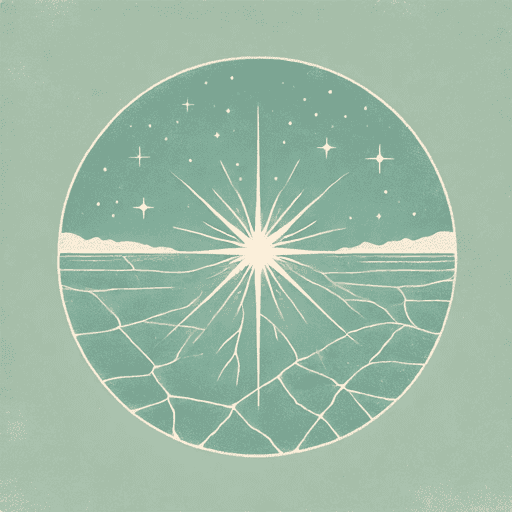
Stars are a central motif that links directly to the protagonist, Clarion. She isn’t born but falls as a literal star who lands in Pixie Hollow and becomes incarnate in fairy form. Her origin as a fallen star contrasts with her peers. She’s alien yet sacred.
Clarion’s origin grants her the rare magic of a governing-talent, able to shape laws, wield immense power, and shoulder the spiritual stewardship of her people. Earlier, this meant she was singular and untouchable, a symbol rather than an individual. However, as the story goes on, Clarion reframes the idea of being a star. It’s no longer a fixed, remote light in the night sky but instead becomes a source of warmth, a point toward which others can orient themselves, and a living embodiment of collective dreams. In doing so, she fuses identity and leadership, understanding that her power isn’t just in magic, but in empathy and vision. The dream and wish angle, particularly, is crucial to the person she becomes. Clarion learns in the latter half of the book that when her star fell, thousands of fairies made wishes on her that she now carries within her, like embers of a shared dream.

Unlock the meaning behind every key symbol & motif
See how recurring imagery, objects, and ideas shape the narrative.
- Explore how the author builds meaning through symbolism
- Understand what symbols & motifs represent in the text
- Connect recurring ideas to themes, characters, and events