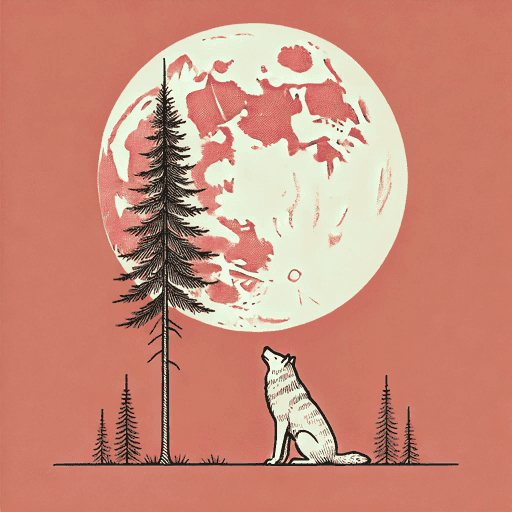
Wolfsong
60 pages • 2-hour read
T. J. KluneWolfsong
A modern alternative to SparkNotes and CliffsNotes, SuperSummary offers high-quality Study Guides with detailed chapter summaries and analysis of major themes, characters, and more.
Background
Series Context: Found Family and Queer Joy in the Green Creek Series
Klune, an openly gay author, is known for writing fantasy romance and speculative fiction that centers queer characters as heroes of emotionally rich, life-affirming stories. The four-book Green Creek series, to which Wolfsong belongs, reflects Klune’s broader mission: to carve out literary spaces where queer love stories can exist without apology or doom. In interviews, Klune has spoken about his frustration with how often queer narratives in popular media end in suffering or isolation. His work, by contrast, imagines worlds where love—romantic, platonic, and communal—heals rather than destroys.
The Green Creek books take place in the same community as it evolves over time. Wolfsong is the first book and introduces Ox, the Bennett family, and the presence of werewolves in Ox’s small Oregon hometown. Ravenson follows Gordo Livingstone, one of Ox’s mentors in Wolfsong, telling the backstory of how he became a witch. Heartsong introduces a new character, Robbie Fontaine, a motherless werewolf without a pack. The final novel is Brothersong, which follows Carter Bennett, the son of the original pack leader Thomas Bennett, as he searches for Gordo Livingston’s feral half-brother, Gavin. All the books in the series focus on the emotional and identity struggles of male pack members and how they learn to connect with others despite their differences.
In Wolfsong, this focus shapes every major relationship. Klune uses paranormal romance as a framework for intimacy: werewolves and witches become metaphors for chosen kinship, trauma recovery, and identity formation. Magic and found family are bound together across the novels, developing an argument for the value of difference and queerness as both creating and transcending the ordinary. In all the novels, the real villain is isolation, which among wolves—and arguably humans—leads to insanity. This metaphor frames the characters’ journeys from isolation to belonging and mirrors the broader queer narrative of moving from shame toward self-acceptance in community with others. Each novel in Green Creek models how queer stories can move from survival to joy.
Genre Context: Queer Fantasy Romance and the Reimagining of the Hero’s Journey
Within the landscape of contemporary fantasy, Wolfsong stands out for the way it uses mythic structures to tell a queer coming-of-age story. The hero’s journey, a narrative structure identified by 20th-century American mythologist Joseph Campbell, shows a protagonist’s journey from their ordinary world into a new realm where they face a series of tests and trials, aided by friends and mentors. Real or metaphorical battles escalate in danger as the narrative progresses, and the protagonist must face their fears and test their limits to succeed. By the end of the journey, the protagonist has fundamentally changed, mastered their fears, and gained wisdom that they take back to the ordinary world from which they began.
In fantasy novels, these character journeys involve supernatural tropes and conventions. Klune borrows familiar werewolf tropes—such as pack hierarchies, Alpha myths, and supernatural transformation—to tell Ox’s story but subverts their traditional masculine codes. Where classic hero narratives celebrate dominance and conquest, Wolfsong celebrates empathy, interdependence, and emotional labor as the true markers of strength.
In youth fantasy narratives from Harry Potter to Hunger Games, character journeys follow a recognizable hero’s arc. Wolfsong is no different; Ox loses his father, discovers a hidden world, faces trials, and eventually assumes a position of leadership in the magical realm. Unlike traditional fantasy quest narratives, Klune reframes each trial as a test of trust and support rather than aggression or dominance. The tests Ox faces are physical but also ethical, focusing on whether he can stay open-hearted in a world that rewards emotional isolation, especially for men. The inversion of the traditional quest narrative aligns Wolfsong with emerging queer and feminist reimaginings of the hero’s journey, where self-knowledge and chosen family replace conquest and individual glory.
As part of the larger Green Creek series, Wolfsong belongs to the subgenre of paranormal romance, or “romantasy,” a blending of fantasy and romance. This form, popular in YA literature with series such as Twilight, usually celebrates straight romance, with a female protagonist who is caught between two opposite but equally alluring male suitors. Klune adapts this genre in several ways. Wolfsong blurs age boundaries by beginning the narrative when Ox is 15 and continuing into his mid-twenties. This takes the work into New Adult fiction, which follows characters in their post-high school or post-college lives. Usually including elements of domestic, romance, or crime fiction, New Adult increasingly includes fantasy and the supernatural.
Klune uses the fantasy romance genre to challenge the boundaries between genre and literary fiction and change who gets to be the protagonist of a fantasy romance. His prose blends mythic imagery with grounded, character-driven realism, where sexual identity and self-discovery are core narrative elements. By weaving queerness, community, and myth into the fabric of a popular youth genre, Klune situates Wolfsong within a 21st-century literary movement that insists stories about tenderness and belonging are as heroic—and as necessary—as epics of war and conquest.

Unlock all 60 pages of this Study Guide
Get in-depth, chapter-by-chapter summaries and analysis from our literary experts.
- Grasp challenging concepts with clear, comprehensive explanations
- Revisit key plot points and ideas without rereading the book
- Share impressive insights in classes and book clubs