Zaabalawi
Zaabalawi
A modern alternative to SparkNotes and CliffsNotes, SuperSummary offers high-quality Study Guides with detailed chapter summaries and analysis of major themes, characters, and more.
Story Analysis
Analysis: “Zaabalawi”
By beginning the story with song lyrics, Mahfouz recalls the evocation of the muse that opens epic poetry from Homer to Beowulf. Traditionally, this evocation reflects the belief that the muse will instill the poet with divine inspiration, but in Mahfouz’s story, Zaabalawi is the muse:
Oh what’s become of the world, Zaabalawi?
They’ve turned it upside down and taken away its taste (1).
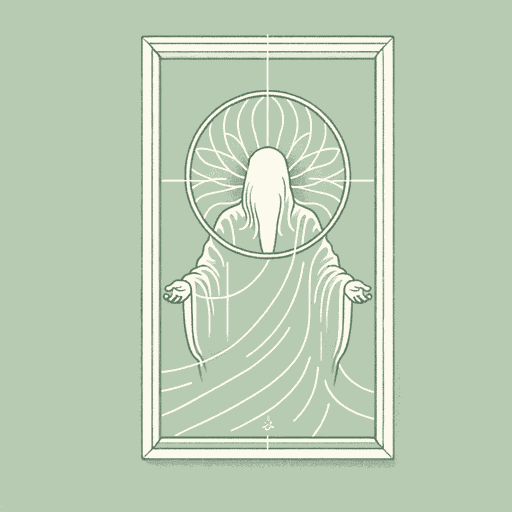
The invocation therefore hints at Zaabalawi’s godlike nature and the story’s broader allegorical status; Zaabalawi isn’t simply the person the narrator is seeking, but rather a source of strength, creativity, and life. These two lines also establish why the narrator needs Zaabalawi. The narrator’s malaise reflects the world’s descent into materialism, as well as an Egypt that has become spiritually decentered.
The encounters the narrator has throughout the story expand on this idea. His quest for a cure begins at the Chamber of Commerce, where he meets with Sheikh Qamar. Qamar is surrounded by riches, women, and material comforts, but his wealth disconnects him from the spiritual. Although Qamar sends the narrator away with useful information, his impatience when he realizes that the narrator is not a client recalls the song lyric lamenting the passing of a more convivial Cairo.
Materialism also colors the narrator’s interactions with the shopkeepers: “[S]ome, though recalling nostalgically the pleasant times they had spent with [Zaabalawi], were ignorant of his present whereabouts, while others openly made fun of him, labeled him a charlatan” (4). For those who have been swept up in the river of modernity, Zaabalawi is either forgotten or a dubious myth. Similarly, when the narrator reaches Zaabalawi’s former home, the narrator finds a vendor selling “old books on theology and mysticism” (3). For the vendor, spirituality only exists in books that he peddles as a commodity.
As the story continues, it becomes clear that each of the narrator’s interlocutors represents a different level of spiritual awakening. This style of spiritual journey has historical resonance in Islam, recalling the Mi’raj or Night Journey: Muhammad’s ascent through seven heavens to become purified. Likewise, each station in “Zaabalawi” brings the narrator closer to the divinity Zaabalawi represents. When the narrator first encounters the calligrapher, he is painting the word “Allah” in silver with a careful and reverent hand. This is not a place of opulent furnishings or bustling industry but of piety and spartan commitment to craft. The calligrapher’s reception of the narrator is also warmer than the business-minded citizens whom he has met before. However, the calligrapher’s relationship with Zaabalawi remains relegated to history, and since Zaabalawi inspired his best works, the calligrapher also implies that these are behind him.
The narrator’s visit with Sheikh Gad does not outwardly differ much from his visit with the calligrapher. Like the calligrapher, Sheikh Gad receives the narrator warmly: “He did not ask, either in words or gesture, what had brought me, and I did not feel that he even harbored any such curiosity” (7). However, unlike the calligrapher, Sheikh Gad is not cut off from his art, playing his lute and singing liberally for his guest even in Zaabalawi’s absence.
Before leaving the composer’s home, Sheikh Gad suggests that the narrator meet with Wanas, “a capricious drunkard” who refuses to offer any insight on Zaabalawi until the narrator drinks (10). It is only when the narrator becomes unconscious of his identity, past, and future that Zaabalawi enters the narrative, sitting beside the narrator as he sleeps and rousing him with water droplets:
There was an extraordinary sense of harmony between me and my inner self, and between the two of us and the world, everything being in its rightful place, without discord or distortion. In the whole world there was no single reason for speech or movement, for the universe moved in a rapture of ecstasy. This lasted but a short while. When I opened my eyes, consciousness struck at me like a policeman’s fist […] (11-12).
The narrator’s dream is of chief interest, as it most plainly articulates the transcendental spirituality Zaabalawi represents: the abandonment of self and perfect union with the divine that Sufism—a form of Islamic mysticism—seeks. The dream of the garden is therefore the cure the narrator has been searching for from the beginning; he remarks that everything was “in its rightful place” (11), insinuating that he has momentarily achieved a cure to the world’s endemic restlessness, as well as his own anxiety and sleeplessness. Ironically, however, the narrator goes on searching for the gift he has already been given, not realizing that “Zaabalawi’s cure” is in fact within him. This echoes a paradox surrounding the narrator’s namelessness; if loss of self is what the narrator seeks, then he already has his prize when the story begins.

Unlock all 22 pages of this Study Guide
Get in-depth, chapter-by-chapter summaries and analysis from our literary experts.
- Grasp challenging concepts with clear, comprehensive explanations
- Revisit key plot points and ideas without rereading the book
- Share impressive insights in classes and book clubs