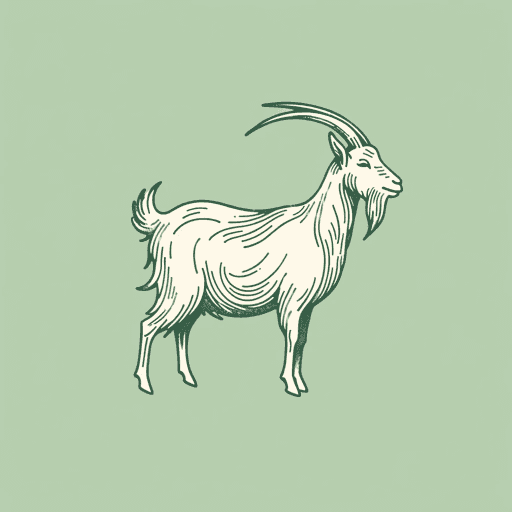
Zlateh the Goat
A modern alternative to SparkNotes and CliffsNotes, SuperSummary offers high-quality Study Guides with detailed chapter summaries and analysis of major themes, characters, and more.
Themes
The Sovereignty of the Miraculous God
Singer uses cause and effect to highlight the sovereignty of the miraculous God, the theme of the piece. The story is set during the season of Hanukkah, the holiday of miracles. Reuven, Aaron, Zlateh, and the village peasants all need a miracle. The story begins with the lament of the village’s people: “Peasants complained that because of the dry weather, there would be a poor harvest of winter grain” (414). The mild winter makes life difficult not only for them but also for Reuven, a furrier who struggles to provide for his family because few people need furs this season. He begrudgingly decides to sell the family goat, Zlateh. Thus, Zlateh (although unaware of it) needs a miracle to save her from slaughter.
Aaron needs a miracle when a sudden blizzard hits during his journey to take Zlateh to the butcher, a storm hits: “This was no ordinary storm. It was a mighty blizzard” (416). He needs food and shelter for both him and the goat: “Aaron did not want to admit the danger, but he knew just the same that if they did not find shelter, they would freeze to death” (416).
The first miracle is the blizzard. Although it creates treacherous conditions for Aaron and Zlateh on the road, it’s the salvation that the peasants, Reuven, and Zlateh need. It provides water for winter grain, answering the prayers of the peasants. The storm brings snow, ice, and extreme cold, thus helping improve the outlook for Reuven to sell his furs to the other villagers and helping Reuven provide for his family: “When Hanukkah came, Aaron’s mother was able to fry pancakes every evening” (420).
The second miracle is Aaron’s losing his way and getting off course because of the storm. Singer uses this parable to show that being off course can lead to salvation, a common theme in this piece and in Jewish literature. Aaron eventually sees that he’s not on the road anymore. Only by being “lost” does Aaron find divine guidance. The story implies that supernatural forces lead him and Zlateh to a haystack—the miracle that saves them.
The third and the fourth miracles are the shelter and sustenance they find in the haystack: “No matter how cold it was outside in the haystack it was always warm. [...] And hay was food for Zlateh” (417).
The fifth miracle parallels the story of Hanukkah. During the rededication of the second temple, the Jewish people had only enough oil to burn the lamp for one night, but it lasted eight days and nights. Reuven justifies selling Zlateh to Feyvel by noting her age and consequent decrease in milk production—but in the haystack, in the middle of the blizzard, Zlateh’s milk is manna for Aaron, and her “udders were full” (418).
The sixth miracle is that Aaron “had decided in the haystack that he would never part with Zlateh” (420)—and he keeps this promise. Zlateh returns home with Aaron, becoming a member of the family: “Nobody ever again thought of selling Zlateh” (420).
According to Jewish tradition, God created the world in six days and then rested. Likewise, in the story “Zlateh the Goat,” God creates six miracles and then rests.
Faith and Doubt
A complex theme in “Zlateh the Goat” concerns faith and doubt. This theme is deeply rooted in the Jewish story. Reuven doesn’t turn to God when he finds himself in a “desert,” needing provisions for Hanukkah, a holiday rooted in faith. In his doubt, he makes the terrible decision to sell Zlateh to the butcher and places her and his son on a path that could have led to their death.
As a foil to his father, Aaron maintains his faith. When Aaron and Zlateh find themselves in the middle of a blizzard, Aaron reaches out to God in a pleading prayer of faith: “Aaron began to pray to God for himself and for the innocent animal” (416).
While Reuven and Aaron’s faith connects to God, Zlateh’s faith and her doubt are based on her relationship with humans. The story opens with her complete faith in the humans who are leading her to slaughter. She trusts them because they’ve always fed and cared for her. When the blizzard comes, however, she begins to lose this faith and starts to doubt her humans. Zlateh’s doubt starts small, with a question: “Her mild eyes seemed to ask, ‘Why are we out in such a storm?’” (416). The narrative conveys why Zlateh is in this situation. She’s innocent—all she knows is to trust, and trust has led her to this point. Zlateh has little understanding of the situation she’s in.
Singer reveals the innocence of humans to God as he reveals the innocence of animals—as represented by Zlateh the goat—to humans. When Zlateh’s question goes unanswered and the storm continues, her faith morphs into doubt, and she begins to make demands of Aaron: “Stubbornly she anchored her cleft hooves in the earth and bleated as if pleading to be taken home” (416).” As the “mighty blizzard” rages on, Zlateh loses all faith in humans, similar to how Reuven loses faith as mild weather became the norm: “Those humans in whom she had so much confidence in had dragged her into a trap” (416).
Zlateh has fair-weather faith because she’s pure. As soon as Aaron found her shelter and fed her, he restored Zlateh’s faith in humans: “Zlateh having eaten her fill sat down on her hind legs and seemed to have regained her confidence in man” (417). As long as Zlateh is full and warm, she has faith in humans. Likewise, as long as Reuven can provide for his family, he has faith in God. Singer uses doubt to drive the story forward and faith to solve the conflicts of the tale.
The Value of Animals
Singer was an avid animal rights activist and was honored by many organizations, including People for the Ethical Treatment of Animals (PETA). In the PBS documentary about his life, he’s quoted as saying, “In their behavior toward creatures, all men are Nazis” (“Isaac in America: A Journey with Isaac Bashevis Singer.” Youtube). This sentiment clearly influences the parable of “Zlateh the Goat.” In this short story, which centers on a good-natured goat named Zlateh, Singer invites readers to ponder how much an animal’s life is worth and how valuable animals really are.
Singer uses symbols like “white beard” to highlight Zlateh’s purity and uses direct characterization to illustrate her “innocence” (416). Throughout the tale, she’s a loving companion to Aaron and his family. The story’s conflict begins with Reuven’s deciding to sell Zlateh for Hanukkah provisions because she’s “old” and no longer produces much milk. Although he hesitates to sell her, he ultimately makes the decision to treat her as a possession, or object, rather than as a living soul. Because of her age, she provided little, so her value and usefulness had diminished. Not until “Aaron tells them about how he had found the stack of hay and how Zlateh fed him with her milk” (420) does Reuven recognize Zlateh as part of his family. He learns that her complaints on the road drove Aaron to pray to God, resulting in their finding hay and thus shelter, and that her udders filled because of the hay’s nourishment, thus allowing the boy to survive. When he hears the story, Reuven realizes the animal’s value—she saved his son’s life—and resolves to keep Zlateh as a member of his family as long as her life will allow.
Zlateh is a symbol of the purity of a soul. Through the events of the story, Singer shows that her life is as valuable as Aaron’s—that animals care for humans and that humans should likewise care for animals rather than use them. Singer suggests a more symbiotic relationship between humans and animals. In the PBS documentary about his life, Singer poignantly joked, “I did not become a vegetarian for my health, I did it for the health of the chickens” (PBS).

Unlock every key theme and why it matters
Get in-depth breakdowns of the book’s main ideas and how they connect and evolve.
- Explore how themes develop throughout the text
- Connect themes to characters, events, and symbols
- Support essays and discussions with thematic evidence
Related Titles
By Isaac Bashevis Singer




Featured Collections
Animals in Literature
View Collection
Books on Justice & Injustice
View Collection
Fantasy
View Collection
Fate
View Collection
Good & Evil
View Collection
Juvenile Literature
View Collection
Loyalty & Betrayal
View Collection
Religion & Spirituality
View Collection
Safety & Danger
View Collection
Science & Nature
View Collection
Trust & Doubt
View Collection