A Killing Cold
A Killing Cold
A modern alternative to SparkNotes and CliffsNotes, SuperSummary offers high-quality Study Guides with detailed chapter summaries and analysis of major themes, characters, and more.
Summaries & Analyses
Quizzes
NEWReading Tools
Games
Symbols & Motifs
Dragonflies
Content Warning: This section of the guide includes discussion of death.
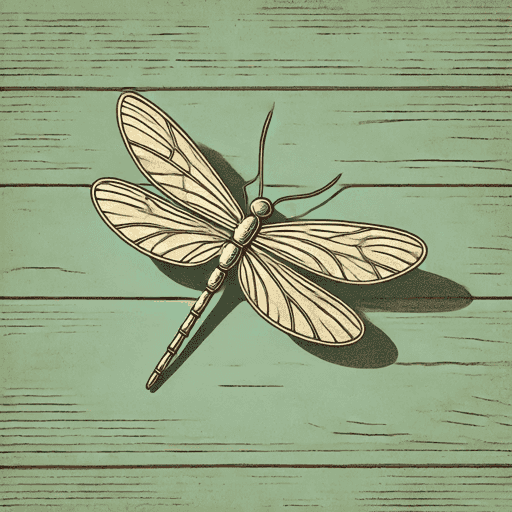
Dragonflies serve as the novel’s most potent symbol of The Reclamation of Identity Through Memory, guiding Theo toward her buried truth. This symbol manifests in multiple forms throughout the narrative: as the tattoo on Theo’s wrist, the brass ornament she discovers in the abandoned Dragonfly cabin, and the nameplate that once marked the door. Dragonflies represent how memory, even when suppressed, finds ways to surface and lead the traumatized toward recovery. When Theo examines the brass ornament, she recognizes it as the inspiration for her tattoo, though she cannot consciously remember why she chose that particular design. The dragonfly represents transformation and the persistence of memory, appearing both as the cabin’s nameplate and in the form of Theo’s tattoo to symbolize how unconscious memory guides her journey back to her true identity and past. This connection demonstrates how the psyche preserves what consciousness cannot bear to hold, encoding trauma in symbols that resurface when the individual is ready to confront the truth. The dragonfly’s life cycle, though not described in the book, involves a metamorphosis from vulnerable water-dwelling nymph to consummate aerial predator. This metamorphosis mirrors Theo’s own transformation from the silenced child “Teddy” into the woman reclaiming her identity. Moreover, the symbol’s appearance in Harper’s photograph that initially drew Connor to Theo suggests that even their meeting was orchestrated by forces beyond conscious design, as if the dragonfly itself called her back to this place of reckoning. The symbol ultimately represents the inescapable nature of memory and the soul’s drive toward wholeness, regardless of the powerful forces arrayed against truth.
Hunting and Predator-Prey Dynamics
The motif of hunting and predator-prey relationships permeates the novel, establishing power dynamics that extend far beyond the literal hunt to encompass the ways that wealth and privilege create hunters and prey in human society. From the opening scene when the wounded deer crashes into their path to Magnus’s invitation for Theo to join him in butchering venison, hunting imagery reinforces how the Dalton family views relationships through the lens of dominance and submission. The family’s casual acceptance of violence—both toward animals and, implicitly, toward those who threaten their interests—reveals the predatory nature underlying their civilized facade. Marshall employs this motif to demonstrate how extreme wealth enables the wealthy to shape the world around them as a hunting ground in which they stalk their prey with systematic precision. The pervasive hunting imagery establishes power dynamics throughout the novel, positioning characters alternately as predators and prey while highlighting themes of survival and the violence underlying civilized facades. Theo instinctively recognizes these dynamics, understanding that she occupies the vulnerable position despite her engagement ring. The antlered man from her recurring nightmare represents the fusion of predator and prey: Though the image in her nightmares is terrifying, the deer is a prey animal, not a predator, foreshadowing the eventual revelation that Liam was not a murderer but a victim, killed by Nick while trying to protect Mallory and Rowan. The motif reaches its climax when Theo must decide whether to remain prey or transform into something more dangerous herself. Through this sustained imagery, Marshall argues that true predators are not the wild animals hunted for sport but the humans who use their power to silence, control, and eliminate those who might expose their secrets.
Blood
Blood functions as a recurring motif that represents the physical reality of trauma that cannot be hidden, denied, or erased, no matter how much wealth and power are deployed to obscure the truth. Throughout the novel, blood appears in various contexts—from hunting scenes to Theo’s childhood memories to her surprising expertise with bloodstain removal—creating a pattern that links violence across time and social strata. The motif establishes blood as both evidence of harm and a trail leading back through memory toward buried truths. When Theo helps Magnus dress the deer, the blood spattering her clothes serves as a visible reminder that violence leaves marks that cannot be easily cleansed: “Blood soaking through my skirt, too much of it, not stopping, and my hands covered with it and Beth looking on in horror” (59). This passage reveals how blood connects Theo’s present experiences to her traumatic past, suggesting that her facility with violence and gore stems from earlier exposure to brutality. The motif reinforces that wealth cannot ultimately suppress truth, as blood will always seep through even the most carefully constructed facades. Marshall uses blood imagery to demonstrate how trauma inscribes itself on the body and memory in ways that resist erasure, no matter how powerful the forces attempting to bury the evidence. The recurring presence of blood throughout Theo’s memories suggests that violence has been a constant thread in her life, from her childhood trauma to her current precarious position among people who view murder as an acceptable way to eliminate their problems.

Unlock the meaning behind every key symbol & motif
See how recurring imagery, objects, and ideas shape the narrative.
- Explore how the author builds meaning through symbolism
- Understand what symbols & motifs represent in the text
- Connect recurring ideas to themes, characters, and events