A Stranger in the House
52 pages • 1-hour read
Shari LapenaA Stranger in the House
A modern alternative to SparkNotes and CliffsNotes, SuperSummary offers high-quality Study Guides with detailed chapter summaries and analysis of major themes, characters, and more.
Symbols & Motifs
Knitting
Knitting is Brigid’s hobby and passion. It is a symbol of her thwarted domestic aspirations to be a contented, stay-at-home mother. Brigid is first introduced knitting. She is described as “working on a baby sweater, but she finds herself dropping stitches and getting angry at the sweater” (24). The baby sweater, and Brigid’s frustration with it, is representative of her inability to conceive. As Brigid’s feelings toward Karen for living the life she wants sour into resentment, her knitting becomes a focal point of that resentment. She stops attending her knitting circle because she cannot stand to see the other women “happily knitting baby things” (89). Instead, she stays home, knitting while looking out the window at the Krupp house. She ruminates that Karen does not care about Brigid’s knitting blog—a way for Brigid to express her anger that Karen does not understand her—nor does anyone else.
This connection between Brigid and her thwarted aspirations is emphasized toward the end of the novel. Brigid sits watching the Krupp residence while “her knitting needles click violently—she’s bitter, angry, and vengeful” (296). She is furious that Karen was released and reunited with Tom. However, her feelings about knitting morph when she realizes that she is pregnant with Tom’s child. The novel closes with a mirror image of her working on yet another baby sweater. This time, instead of dropping stitches, she is working with confidence and contentment because she feels she is on the precipice of accomplishing her dream: Having a child and getting revenge on Karen.
Rubber Gloves
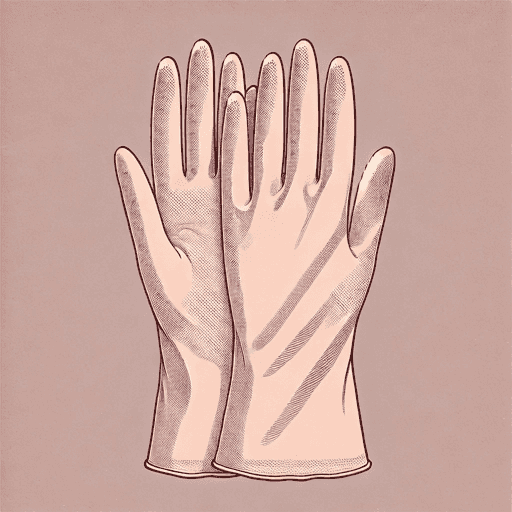
The rubber gloves are the key symbol that represents Karen’s character as a cold-blooded murderer posing as an ordinary, innocent suburban woman. It is closely tied to the theme of The Façade of Suburban Perfection. Rubber gloves for washing dishes or doing housework have been a classic symbol of suburban homemaking since at least the 1950s. These rubber gloves are particularly feminine, as they are “pink rubber gloves with a floral print near the elbows” (66).
However, the image of the suburban ideal that these gloves typically represent is immediately undermined by Karen’s use of them. She takes them with her when she leaves the house after her first husband, Robert Traynor, calls and demands a meeting. This, along with the gun, shows premeditation. She goes to that meeting intent on murdering Robert and uses the gloves to hide her fingerprints.
When Karen leaves the gloves at the scene of the crime, they function as the “smoking gun“ evidence that Karen is the culprit. As Detective Rasbach points out, if she had “calmly driven home [and] put the gloves back in [her] kitchen […] no one would have ever connected [her] to the dead body in that restaurant” (200). It was Karen’s domesticity that shielded her from suspicion for two years after she faked her own death, but it was a symbol of that domesticity—the gloves—that led police to suspect her in the murder.
The Bad Part of Town
The novel is largely set in the suburb of Henry Park in upstate New York. These idyllic, seemingly perfect, wealthy suburbs are contrasted by the “bad part of town” (211). This motif serves to develop the theme of The Façade of Suburban Perfection. The presence of a wealthy woman like Karen in this part of town is a shock. Officer Kirton, for example, is surprised to see “she didn’t look like a car thief or a druggie” (7), implying this is the kind of person one would expect to see near the abandoned restaurant where the murder took place.
The “bad part of town” is described in broad, generic, stereotypical terms that emphasize how much worse it is than the suburbs. For instance, it is a place where “kids grow up fast” (9). This is contrasted with the presumed life of children in the suburbs who “hover over computer screens doing homework or [are] tucked in their beds” (9). Officer Fleming describes it as “a part of town known for drugs, gangs, crime” (34). When Tom and Karen visit the crime scene, Tom worries about his expensive Lexus getting stolen.
The essential irony of this characterization of the town is that, while the murder does take place in the “bad part of town,” it was committed by a suburban woman from the wealthy parts. This contrast emphasizes that the appearance of safety and innocence does not necessarily mean that a certain place or people are in fact safe or innocent.

Unlock the meaning behind every key symbol & motif
See how recurring imagery, objects, and ideas shape the narrative.
- Explore how the author builds meaning through symbolism
- Understand what symbols & motifs represent in the text
- Connect recurring ideas to themes, characters, and events