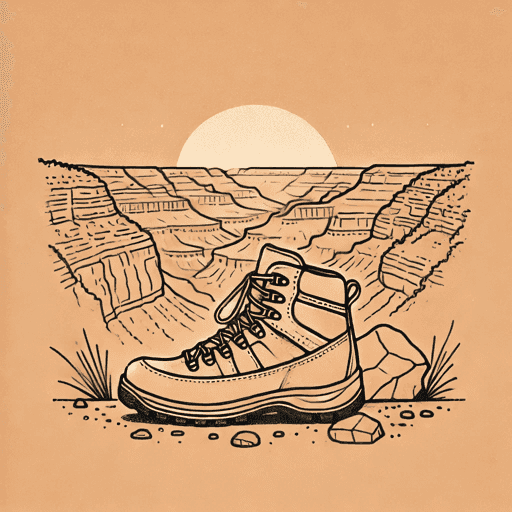
A Walk in the Park: The True Story of a Spectacular Misadventure in the Grand Canyon
A Walk in the Park: The True Story of a Spectacular Misadventure in the Grand Canyon
A modern alternative to SparkNotes and CliffsNotes, SuperSummary offers high-quality Study Guides with detailed chapter summaries and analysis of major themes, characters, and more.
Summaries & Analyses
Quizzes
NEWReading Tools
Games
Background
Cultural Context: The Grand Canyon as a National Symbol
A Walk in the Park situates the Grand Canyon as a cultural and environmental icon, exploring its significance within American identity. The Grand Canyon has long been emblematic of the United States’ natural heritage, representing the grandeur and untamed beauty of the American West. The book raises pressing questions about the role of wilderness in modern society, focusing on the challenges of balancing public access, economic development, and environmental preservation. Fedarko criticizes commercial ventures, such as helicopter tours and proposed tramways, that threaten the canyon’s tranquility while acknowledging the complexities of local economic needs, particularly for Indigenous tribes.
Through describing his journey, Fedarko highlights the canyon as a shared cultural treasure, drawing attention to its importance as a site of recreation, scientific discovery, and spiritual reflection. The narrative underscores the fragility of this landscape, illustrating how human activity—both past and present—has left a lasting impact. From the ancient petroglyphs etched by Indigenous peoples to the ongoing air tours disrupting natural quiet, the book situates the Grand Canyon within a continuum of cultural interaction. By weaving these threads together, Fedarko invites readers to consider their own relationship with the natural world and their responsibility to protect it for future generations.
Literary Context: Modern Adventure Writing in American Nature Literature
The book builds upon a rich tradition of American adventure literature that celebrates the natural world while probing the complexities of human exploration. Authors like John Muir, Edward Abbey, and Wallace Stegner have long used the American West as a canvas for exploring themes of solitude, self-reliance, and environmental ethics. Fedarko’s work echoes this legacy by blending lyrical descriptions of the Grand Canyon’s majesty with a candid examination of his and Pete McBride’s physical and emotional struggles. The book stands as a contemporary reflection on a genre that often intertwines personal growth with the experience of wilderness.
What sets Fedarko apart is his nuanced perspective on modern wilderness exploration. Unlike earlier works that celebrate unspoiled landscapes, A Walk in the Park grapples with the reality of a landscape increasingly shaped by human intervention. The narrative criticizes the commodification of natural spaces while also celebrating the resilience and beauty of the Grand Canyon. By acknowledging the tensions between accessibility and preservation, Fedarko modernizes the genre, creating a work that acknowledges the pressing environmental issues of the 21st century.
Ideological Context: Conservation, Progress, and Indigenous Sovereignty
Fedarko’s narrative interrogates the ideological tensions inherent in conservation efforts, economic development, and Indigenous sovereignty. The Grand Canyon serves as a contested space where competing visions for its future collide: Environmentalists champion preservation, commercial developers seek profit, and Indigenous communities balance cultural heritage with economic opportunity. The book criticizes the exploitative aspects of tourism, such as the noise pollution from helicopter tours and the controversial tramway proposal, while also highlighting the economic realities faced by Indigenous tribes like the Hualapai and Navajo.
Fedarko’s interactions with figures like Renae Yellowhorse reveal the deep connections that Indigenous communities have with the Grand Canyon. These perspectives challenge mainstream conservation narratives by emphasizing the importance of tribal sovereignty and cultural stewardship. The book suggests that genuine progress in preserving the canyon requires collaboration among diverse stakeholders, from environmentalists to Indigenous leaders. By framing these issues within a broader ideological context, A Walk in the Park advocates for a more inclusive and ethical approach to conservation.

Get in-depth, chapter-by-chapter summaries and analysis from our literary experts.
- Grasp challenging concepts with clear, comprehensive explanations
- Revisit key plot points and ideas without rereading the book
- Share impressive insights in classes and book clubs