Ballet Shoes
53 pages • 1-hour read
Noel StreatfeildBallet Shoes
A modern alternative to SparkNotes and CliffsNotes, SuperSummary offers high-quality Study Guides with detailed chapter summaries and analysis of major themes, characters, and more.
Symbols & Motifs
Clothing
One motif in Ballet Shoes is clothing. Throughout the book, the clothes that the girls have (or lack) mark important moments in the Fossil sisters’ lives. Clothing is important in supporting the theme of Overcoming Socioeconomic Challenges because clothes are one of the things that the sisters need the most and can afford the least. In addition, because each sister has a unique relationship with clothing, the motif helps develop the theme of Learning to Embrace Individuality and Ambition.
Clothing is almost always part of the descriptions when the author depicts the characters overcoming economic challenges. This isn’t limited to the Fossil sisters. When Madame Fidolia raises money for the hospital, she asks for help from the community of parents, students, and teachers at the academy. Putting on the performance for charity “[means] a considerable amount of work for the children, but [also] a lot of clothes” (77). The school asks the parents to help make the costumes, and they do so willingly. This is just one example of how the novel uses clothes as a way to help others in times of financial hardship.
Another example is when Nana lets Winifred borrow Pauline’s audition dress after she misses the Mustardseed audition. Winifred’s presence often reminds Pauline to be grateful for what she has. Winifred is a talented singer, dancer, and actor, but her family needs the money that she can earn even more than the Fossils do: “Petrova looked at Pauline, for she knew she was fussy about her clothes, but Pauline was thinking only of Winifred” (160). Pauline, like Nana, knows that Winifred doesn’t have a fair shot at the audition if she wears her own old brown dress.
At the performance academy, the sisters must frequently change clothes for different classes. Posy adores the costumes and, from the beginning, longs to be a dancer with flowers in her hair. Pauline is fond of nicer clothes both on and off the stage, but “Petrova, who hate[s] clothes, [finds] the everlasting changing an awful bore” (55). The one exception is the pair of jeans that Petrova receives as a gift from Mr. Simpson. For each sister, clothing either is or isn’t important to her ambitions and dreams.
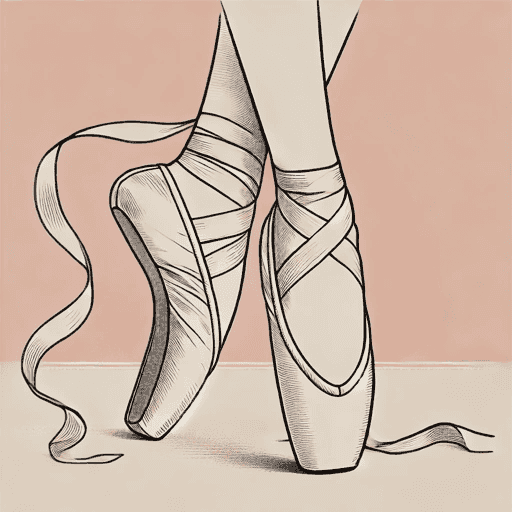
Ballet Shoes
The book’s title symbolizes Posy’s connection with her birth mother. In Gum’s note about Posy, he writes, “All her mother had to give her was the little pair of shoes enclosed” (10). Posy’s mother is a dancer, and while she can’t afford to take care of Posy, she passes on the shoes to her daughter in the hope that Posy might use them one day.
Every year, Posy measures her feet to see if she can fit into the ballet shoes yet. When she finally begins to wear them, “[s]he [is] very proud of them, not because they [are] really any better than anybody else’s ballet shoes, but because they had been given her by her mother” (145). Even though Posy never met her birth mother, she feels connected to her through the shoes.
When she outgrows the shoes, Madame Fidolia says that “she would like the shoes as a souvenir, and [has] a little case made for them with a glass front and hung it on the wall” (145). Even after Posy has outgrown the shoes, she finds a way for that connection to live on in a different way. This mirrors the sisters’ connection at end of the book: Though the sisters separate so that they can pursue their dreams, their love for one another endures.
The Vow
Another motif in Ballet Shoes is the vow that the sisters make multiple times throughout the book. When Pauline tells her sisters what Dr. Jakes said about having their last name all to themselves, Petrova says, “How lovely if we could! Fancy people learning about us as lessons! Let’s make a vow to make Fossil a name like that” (33). From there, the vow is born, and they decide to vow each time any of them has a birthday. The evolution of the vow changes with the arc of the story.
The first time the vow changes is when the sisters realize how stressed Sylvia is about finances. They change the vow to say, “We three Fossils vow to try and put our name into history books, because it’s our very own, and nobody can say it’s because of our grandfathers, and we vow to try and earn money for Garnie until Gum comes home, amen” (148).
The three Fossil sisters, especially Pauline, start to brainstorm ways to help more with the household expenses. When the sisters are about to go their separate ways, they change the vow one last time. They think that Pauline and Posy, who are setting out to pursue careers in the arts, won’t likely be in history books. However, Petrova, who wants to fly planes, could one day make history. Pauline says that Petrova can make the old vow, while she and Posy make a new one: “I vow to help in any way I can to put Petrova into history books, because her name is Fossil, and it’s our very own, and nobody can say it’s because of our grandfathers” (230-31). The sisters are satisfied with this final amendment, and it marks the end of the story but the beginning of their new lives.

Unlock the meaning behind every key symbol & motif
See how recurring imagery, objects, and ideas shape the narrative.
- Explore how the author builds meaning through symbolism
- Understand what symbols & motifs represent in the text
- Connect recurring ideas to themes, characters, and events