Baseball in April and Other Stories
50 pages • 1-hour read
Gary SotoBaseball in April and Other Stories
A modern alternative to SparkNotes and CliffsNotes, SuperSummary offers high-quality Study Guides with detailed chapter summaries and analysis of major themes, characters, and more.
Symbols & Motifs
Bicycles
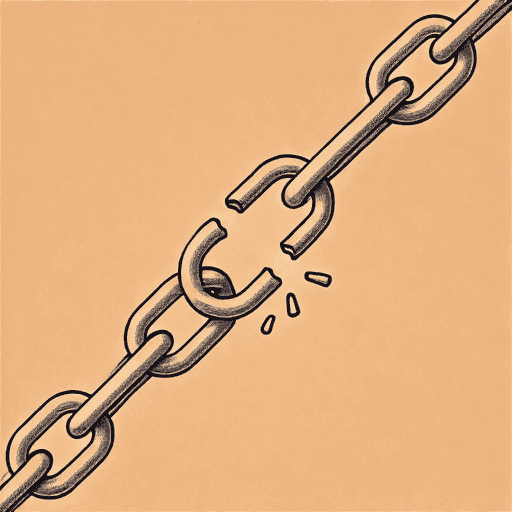
Bicycles appear in multiple early stories and symbolize both the carefree interests and the smaller worries of childhood. In “Broken Chain,” for example, Alfonso is distraught when the chain on his bike breaks just before his date with Sandra, and he is incensed by his brother’s refusal to loan him a bike for the occasion. By contrast, in “Baseball in April,” a bicycle transports Jesse to his dream: the baseball field.
Later, the impulsivity of childhood is symbolized through Fausto’s use of a bicycle in “The No-Guitar Blues.” When he decides to earn his own money for a guitar, “he hop[s] onto his sister’s bike […] and [rides] north to the nicer section of Fresno in search of work” (44). By jumping on his bike, Fausto takes physical action to chase his childlike dream of becoming a rock star. He rides without thinking or planning, and his mannerisms signify the spontaneity of childhood. However, when he plans to deceive the dog’s owners into getting a reward, he “stashe[s] […] his sister’s bike behind a bush” (46. With the creation of his deceptive plan, he loses a measure of innocence, and he feels the need to hide the bike: a symbol of innocent childhood.
When he feels guilty for dishonestly obtaining the $20, he rides home “slowly, not daring to touch the money in his pocket” (48). In this moment, his impulsive joy is replaced by guilty contemplation and a much slower ride. Thus, with the recurring appearances of bicycles and the absence of them in later stories where characters grow and mature, Soto establishes this object as a symbol of the innocent, spontaneous experiences of youth.
“La Bamba”
The song “La Bamba” is a motif that is tied to the theme of The Challenges of the Coming-of-Age Journey. “La Bamba” is the song that Manuel lip-synchs in the story of the same name. His goal is to strike a cool, awe-inspiring pose in front of his peers, but after a mishap with the record player, everyone thinks that his performance is meant to be comedic. Ultimately, he enjoys their positive reactions and plays off the mistake as if it were intentional, and in the process, he learns that even when things do not go as planned, the situation can still be salvaged.
In the final story, “Growing Up,” all Maria wants is to be apart from her family, but when she successfully lobbies to stay home during a family vacation, she worries about them incessantly. When they return, although she missed out on the best vacation ever, she enjoys their company. This moment of growth—worrying about others and fully appreciating them—is punctuated when everyone in the family “sing[s] the words to ‘La Bamba’ along with the car radio” (107). Instead of focusing on herself, Maria now appreciates the moment and sings along, celebrating her inner growth.
As Maria sings “La Bamba” and Fausto fantasizes about emulating Los Lobos, these details indicate that the song is a motif fueling the collection’s thematic focus on Finding Belonging in a Multicultural World. When Maria sings along with her family, she openly accepts her Mexican heritage rather than trying to avoid it or ignoring her father’s stories. As she matures, she also learns to embrace her family’s culture and roots. For Fausto, both the song and the band fuel a sense of multicultural belonging. His desire to learn how to play the guitar stems from watching Los Lobos perform on “American Bandstand,” and he is inspired by seeing a Chicano band on mainstream television. The narrative thus implies that when Fausto sees famous performers who look like him and perform versions of traditional Mexican songs, he feels empowered to carve a place for himself in the world.
Barbie
The Barbie doll in the story of the same name is a motif that represents the theme of Finding Belonging in a Multicultural Society. The protagonist has wanted this toy for a long time because she prizes the biased beauty standards of mainstream America to the point that she actively rejects her own physical coloring. Instead, she is “in love with Barbie, her blond hair, her slim waist and long legs, and the glamorous clothes on tiny hangers” (33-34). Because she has internalized American society’s beauty standards, she comes to see her dark-haired doll as an “imitation” and an “imposter,” an attitude that reveals her own half-articulated self-loathing. This dynamic is violently expressed when she hurls the dark-haired doll against the wall and chips its face.
Yet despite her preference for a blond doll, “Veronica [feels] ashamed” (34) at her own actions. These conflicting feelings represent her struggle to embrace her own identity and illustrate her broader quest to belong. Only after she loses the blond doll’s head does she find a way to accept both Barbies, for she whispers to them and “carrie[s] them lovingly to bed” (42). The attention that she showers on the dolls suggests that she has finally accepted that both versions of femininity are important to her. In this way, story explores the notion that multiple cultures can coexist and contribute to a person’s identity and sense of belonging.

Unlock the meaning behind every key symbol & motif
See how recurring imagery, objects, and ideas shape the narrative.
- Explore how the author builds meaning through symbolism
- Understand what symbols & motifs represent in the text
- Connect recurring ideas to themes, characters, and events