Dragons in a Bag
42 pages • 1-hour read
Zetta ElliottDragons in a Bag
A modern alternative to SparkNotes and CliffsNotes, SuperSummary offers high-quality Study Guides with detailed chapter summaries and analysis of major themes, characters, and more.
Symbols & Motifs
The Dragons
Content Warning: This section of the guide includes discussion of racism.
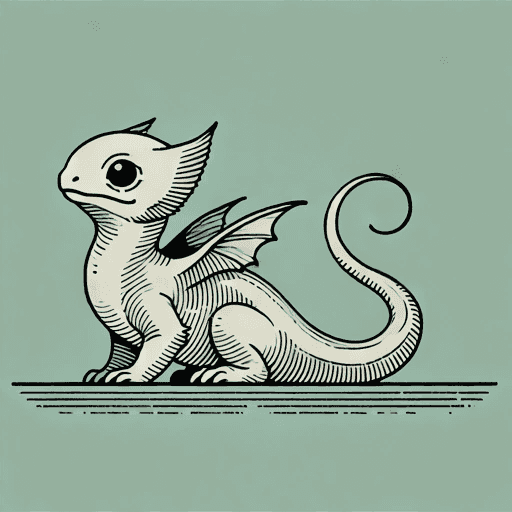
The dragons serve as a motif of The Importance of Family and Community. Elliott puts a twist on this classic fantasy element because dragons are often presented as formidable and monstrous in Western fantasy, but they are infants in need of care and protection in this novel:
Two have wings, and one has a long body with plates along its curved spine. All of them have purply scales that shimmer like the feathers that circle the necks of the strutting pigeons. The dragons look harmless, and they purr happily as they eat the crumbs Kavita is sharing with them (84).
The baby dragons’ vulnerability underscores their need for family and community. The hatchlings seek a mother figure to imprint on, and Ma fears that they “won’t thrive until they’re reunited” (127). The motif also advances the theme of family and community because Jaxon’s efforts to help the hatchlings lead him to meet members of his family and the broader magical community, including his grandfather, Ambrose, Sis, and Professor Jenkins. The dragons provide an essential catalyst for the story’s plot and Jaxon’s character development from his initial decision to help Ma bring them home to his guilt and renewed resolve when he discovers that Kavita stole one of the hatchlings while they were in his care. At the end of the novel, the third dragon is still being kept by Kavita in Brooklyn, providing a clear source of conflict and structure for the next installment in the series. Elliott uses dragons to facilitate the story’s plot, genre, and character development and the theme of family and community.
The Guardhouses
The guardhouses function as motifs of The Magic and Wonder in Everyday Life. They stand at the entrance to Brooklyn’s Prospect Park, but they have been retired from their original function: “It looks like the tiniest castle ever built, with round stone walls and a pointed red-tiled roof. […] The guardhouse used to have windows on the sides and in its door, but metal plates and black bars weave across the space where glass ought to be” (49). The red guardhouses exist in the real world, but they serve a magical purpose in the novel. The transporters allow the characters to travel in space and time and between the magical realm and the world that Jaxon calls home. In Chapter 13, passersby in the park “barely notice” Jaxon exiting the guardhouse (139), suggesting that people often overlook the wonder and magic in everyday life. The transporters contribute to the story’s mood and suspense, such as when Jaxon describes how the guardhouse “moves through time and space the same way the cars on the ninety-year-old Cyclone rattle along the wooden tracks” (56). The guardhouses advance the novel’s structure by allowing the characters to quickly move between settings. In addition, the transporter malfunction that brings Ma and Jaxon to the time of dinosaurs is an important plot point that leads the protagonist to be separated from his mentor, forcing him to demonstrate more independence and maturity. Prospect Park’s guardhouses offer an example of the everyday magic and wonder hidden in plain sight.
The Phoenix
Because phoenixes are reborn from their own ashes, they represent rebirth and hope in literature. The fantasy creature does not appear directly in the novel but rather through Vikram’s account of how some of his and Jaxon’s classmates found it. Vikram’s story about the firebird demonstrates that magic is more widespread than many realize: “You never know what you might find in Brooklyn!” (82). This supports the theme of The Magic and Wonder in Everyday Life. Narratively, the story about the phoenix is significant because it inspires Jaxon to trust his best friend with the truth about Ma.
The author constructs parallels between the symbol and the novel’s setting. Vikram’s friends found the firebird when it was “nearing the end of its life” as “they were fixing up the backyard of this run-down house on Barkley Street” (82). The symbol of rebirth resonates with Brooklyn because the borough is experiencing a period of dramatic change. Issues like gentrification displace Black residents and also make the area less hospitable for magical creatures, including the phoenix: “Ma said magic was leaving the city, but maybe she was wrong. Or maybe Ma was right, and Vik’s baby phoenix had to find somewhere else to live” (82). The uncertainty around the firebird’s location reflects anxieties around Brooklyn’s future. Jaxon becomes the caretaker of a phoenix egg in the third book, The Witch’s Apprentice, signifying the hope that Brooklyn’s Black communities will endure through the challenges they’re facing.

Unlock the meaning behind every key symbol & motif
See how recurring imagery, objects, and ideas shape the narrative.
- Explore how the author builds meaning through symbolism
- Understand what symbols & motifs represent in the text
- Connect recurring ideas to themes, characters, and events