Foxglove
55 pages • 1-hour read
Adalyn GraceFoxglove
A modern alternative to SparkNotes and CliffsNotes, SuperSummary offers high-quality Study Guides with detailed chapter summaries and analysis of major themes, characters, and more.
Symbols & Motifs
Threads, Tapestries, and Weaving
Content Warning: This section of the guide includes discussion of gender discrimination, pregnancy termination, and sexual content.
Threads, tapestries, and the act of weaving are all recurring motifs that symbolize Fate’s control—or lack thereof. The Prologue introduces Fate’s system for determining individuals’ lives, showing how he organizes destinies by weaving different colored threads into large tapestries. This physical act establishes him as both the literal and figurative weaver of fate and demonstrates the reasons for his belief that he has total control over others, complicated by Blythe and Signa’s shifting tapestries. Fate’s threads also symbolize his control outside of the tapestries. At balls and gatherings, Signa can see countless tiny gold threads attached to the people around her. These threads first appear to Signa and Blythe as a beautiful shimmering that draws people to Fate, but on closer inspection, the threads that come from his body have a different purpose. Fate pulls these threads when he wants to slow time or influence someone’s behavior, which draws similarities to a puppet master as well as a weaver. Fate’s tapestries also suggest a finality to the course of life, as he never alters a tapestry once he finishes it and hangs it on the wall. The tapestry Fate gives Blythe to use on Signa reinforces this symbolism, as the blood oath performed on the tapestry will bind him to the oath-giver forever. Yet this tapestry ultimately mirrors the two changing tapestries in the Prologue, as Blythe uses it against him, proving that Fate’s control is not as absolute as he believed.
Poison
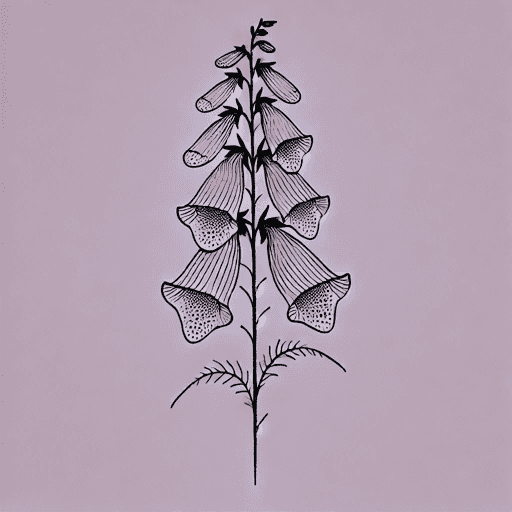
Characters use different forms of poison for different reasons throughout Foxglove and the Belladonna series as a whole. In Foxglove in particular, poison is a complex symbol suggesting moral ambiguity, as what can be a cure in one dosage can be fatal in another. Further, the narrative suggests that some uses of poison are ethical, while others are not. The novel is titled after the poisonous plant that set the trajectory of Signa’s life. At Foxglove Manor, Signa’s parents and all the guests of their ball were poisoned, leading her to the custody of various relatives who cared little for her. Signa’s feelings about Foxglove Manor upon her return are complex, as she initially does not feel she belongs there but eventually forms a home in the peculiar place. To use her powers as a reaper, Signa must eat berries from the poisonous belladonna flower, which begins to make her ill in Foxglove, unlike in the previous novel. Yet Signa tries to use these powers for good rather than evil, Percy’s use of belladonna to poison his family. Other poisons appear throughout the novel, such as the cyanide in Julius’s champagne glass that sets the plot in motion. Cyanide was a well-known poison during the Victorian Era, leading Eliza to learn about its effects as both a lethal and non-lethal poison. Again, dosage makes a difference in the use of the poison: where Eliza intends to make Sir Bennet ill with a small amount of poison, the larger amount of cyanide added by Byron kills Julius. Herbs like mugwort and tansy were used for centuries as both medicines and poisons. A small dose would help ease the pains of Eliza’s pregnancy, but the larger dose her lady’s maid gave her could end her pregnancy. The use of poisons throughout the novel has various meanings and intentions, showing how there is a gray area to their use, suggesting a moral ambiguity.
Wisteria Gardens
All of the stately homes in the Belladonna series have a unique symbolic meaning, but in Foxglove, Wisteria Gardens’ symbolism is especially significant, as it illuminates information about the elusive Fate’s emotional state. When Blythe and her neighbors first see the manor, they do not know how they could have missed the nearby mansion all their lives; this parallels Fate’s largely invisible nature. Only when Fate wants to show himself can others see him, much like Wisteria Gardens only appears when Fate wants to stay there. The manor is meant to impress others when Fate throws his first ball there. The art, decor, and atmosphere are specifically meant to draw people in and distract from the strangeness of the prince’s sudden arrival. Yet Signa later learns that Wisteria Gardens is not new, as she believed it must have been, but has existed nearly as long as Fate. Much like fate, Wisteria Gardens can be everywhere and anywhere, traveling with Fate wherever he goes in his human form and reflecting his overall emotional state. For example, Wisteria Gardens sometimes glows and sometimes crumbles, depending on his mood and intention. Throughout the novel, Signa notices that Fate puts on a facade for others in part to impress and in part to hide his sadness and desperation. Wisteria Gardens symbolizes this facade and Fate’s grief for Life. Even when the manor is crumbling and in ruins, the portrait of Life remains in full color, and behind it, Fate goes to work on his tapestries. Wisteria Gardens not only represents fate as a concept but also Fate as a person.

Unlock the meaning behind every key symbol & motif
See how recurring imagery, objects, and ideas shape the narrative.
- Explore how the author builds meaning through symbolism
- Understand what symbols & motifs represent in the text
- Connect recurring ideas to themes, characters, and events