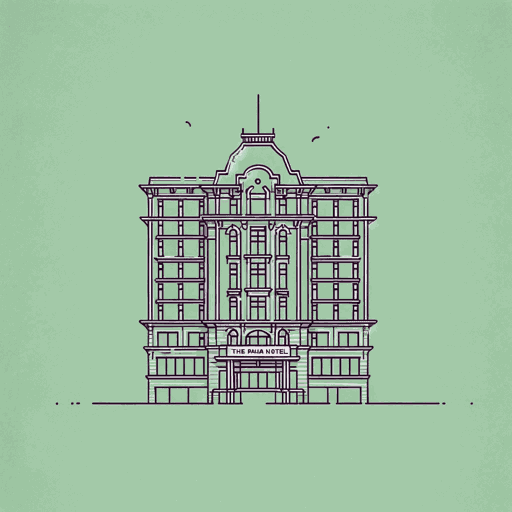
Hotel on the Corner of Bitter and Sweet
Hotel on the Corner of Bitter and Sweet
A modern alternative to SparkNotes and CliffsNotes, SuperSummary offers high-quality Study Guides with detailed chapter summaries and analysis of major themes, characters, and more. For select classroom titles, we also provide Teaching Guides with discussion and quiz questions to prompt student engagement.
Summaries & Analyses
Quizzes
NEWReading Tools
Games
Book Club Questions
General Impressions
Content Warning: This section of the guide contains discussion of racism and emotional abuse.
Gather initial thoughts and broad opinions about the book.
1. How does the novel’s title reflect both the physical setting of the Panama Hotel and the emotional journey of its characters? Have you read other works that explore this intersection of place and emotion—for example, Amy Tan’s The Joy Luck Club?
2. What were your initial reactions to Henry’s father’s treatment of his son? How did your perspective on their relationship evolve throughout the story?
3. How effectively does the novel’s dual timeline structure contribute to our understanding of both young and older Henry? Which timeline resonated with you more strongly, and why?
Personal Reflection and Connection
Encourage readers to connect the book’s themes and characters with their personal experiences.
1. Henry and Keiko face significant pressure from their families and communities regarding their friendship. Have you ever experienced conflict between personal relationships and cultural expectations? How did you navigate this tension?
2. The novel explores how objects can hold deep emotional significance, from family photographs to jazz records. What objects in your life carry similar emotional weight or historical meaning?
3. Throughout the story, characters must choose between loyalty to family and loyalty to their own hearts. Have you ever faced a similar choice? What factored into your decision?
4. How do you think you would have responded if placed in Henry’s position regarding his father’s deathbed confession about intercepting the letters?
5. The story shows how music, particularly jazz, can bridge divides. What role has music played in connecting you with others across boundaries, whether cultural, generational, or otherwise?
Societal and Cultural Context
Examine the book’s relevance to broader societal issues, cultural trends, and ethical dilemmas.
1. How does the novel’s portrayal of Japanese American concentration camps challenge or enhance your understanding of this historical period? How did it compare to other treatments of this era—e.g., Jeanne Wakatsuki Houston’s memoir Farewell to Manzanar? What parallels do you see with contemporary treatment of marginalized groups?
2. The story explores various definitions of what it means to be “American.” How have these definitions evolved since the 1940s, and what current debates echo the identity struggles portrayed in the novel?
3. How does the novel’s depiction of Seattle’s International District illuminate the complexities of inter-ethnic relationships within marginalized communities?
Literary Analysis
Dive into the book’s structure, characters, themes, and use of narrative techniques.
1. How does Ford use the Panama Hotel as both a physical location and a metaphor throughout the novel? What does it represent for different characters?
2. Analyze the symbolism of the “I am Chinese” and “I am American” buttons. How do these objects reflect Henry’s evolving identity?
3. How does the author use Sheldon’s character to provide perspective on racial dynamics beyond the Chinese-Japanese conflict?
4. Examine the parallel father-son relationships in the novel: Henry and his father versus Henry and Marty. How do these relationships reflect changing generational attitudes?
5. How does Ford’s use of sensory details—particularly in scenes involving food, music, and the city—enhance the reader’s understanding of the characters’ experiences?
Creative Engagement
Encourage imaginative interaction with the text.
1. If you were designing a memorial at the Panama Hotel to honor the Japanese American families who stored their belongings there, what elements would you include to tell their stories?
2. Imagine creating a playlist that captures the emotional journey of Henry and Keiko’s relationship. What songs would you choose and why?
3. If you were to write an additional chapter set five years after the novel’s conclusion, what would happen to Henry and Keiko?

Get in-depth, chapter-by-chapter summaries and analysis from our literary experts.
- Grasp challenging concepts with clear, comprehensive explanations
- Revisit key plot points and ideas without rereading the book
- Share impressive insights in classes and book clubs