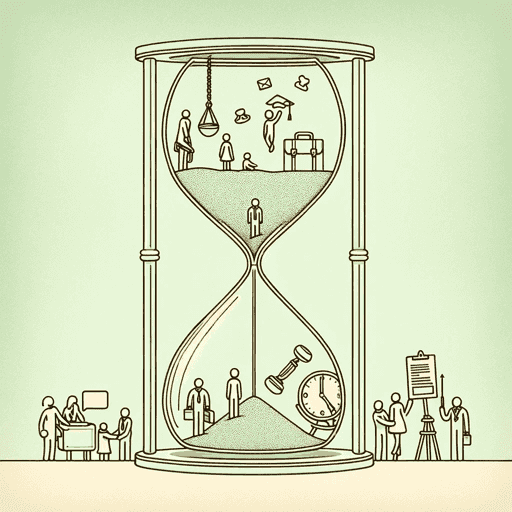
How Will You Measure Your Life?
How Will You Measure Your Life?
A modern alternative to SparkNotes and CliffsNotes, SuperSummary offers high-quality Study Guides with detailed chapter summaries and analysis of major themes, characters, and more.
Summaries & Analyses
Quizzes
NEWReading Tools
Essay Topics
Is Clayton M. Christensen’s use of Nick Leeson’s and Jeffrey Skilling’s notoriety effective for his thesis (How Will You Measure Your Life?)? Why or why not?
How would you categorize this book? Is experience in business a necessary prerequisite for understanding the book’s lessons? Why or why not?
Analyze Christensen’s discussions of incentives. Does he downplay the importance of money in modern life? How so?
Christensen was a deeply religious person. How does this impact the views he presents in the book?
Christensen argues that parents should allow their children to experience adversity rather than shelter them. Evaluate the practicality of this advice.
Christensen argues that it is easier to do the right thing 100% of the time rather than 98% of the time. What does he mean by this? Do you agree or disagree with him?
Christensen suggests that struggles within the American education system stem from a foundational misunderstanding of what job students need schools to do. What does he mean by this? Do you agree or disagree with him?
Summarize Christensen’s advice for maintaining healthy relationships—whether they be with family, friends, or romantic partners. What are some of the weaknesses of his claims?
Reflect on the title of the book and its closing statement. Did the book change anything in regard to how you will measure your own life? Why or why not?

Get in-depth, chapter-by-chapter summaries and analysis from our literary experts.
- Grasp challenging concepts with clear, comprehensive explanations
- Revisit key plot points and ideas without rereading the book
- Share impressive insights in classes and book clubs