Indian Education
Indian Education
A modern alternative to SparkNotes and CliffsNotes, SuperSummary offers high-quality Study Guides with detailed chapter summaries and analysis of major themes, characters, and more.
Character Analysis
Content Warning: This section of the guide includes discussion of bullying, child abuse, racism, illness, substance use, and addiction.
Junior Polatkin
Junior Polatkin is the protagonist and narrator of “Indian Education,” as well as one of the principal characters of The Lone Ranger and Tonto Fistfight in Heaven. He narrates the story from a retrospective perspective, recounting the events of his childhood with adult insight and tracing his evolution from a bullied, self-conscious child to a young man who must distance himself from his community to pursue education in the outside world.
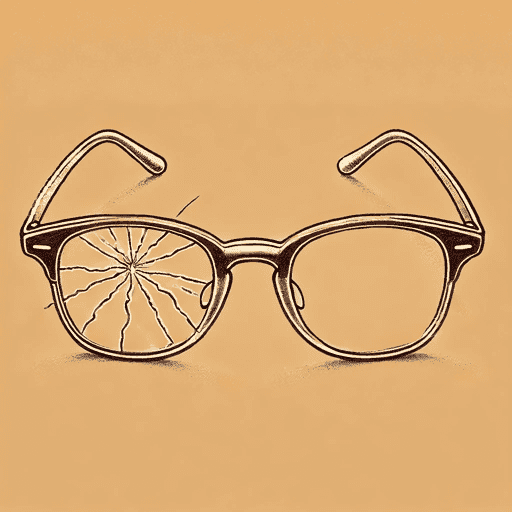
Junior is a member of the Spokane tribe who grew up on the tribal reservation in Washington. His early life is marked by bullying, both from his peers and from his teachers. These experiences teach Junior to stick up for himself, accommodating social and cultural expectations when necessary while internally remaining true to himself and his identity. Though his parents remain mostly in the narrative background, they offer support in this respect: When a teacher demands that Junior cut off his braids, his parents respond by confronting her with their own braids, an act of solidarity and protest against an educational system that so often seeks to erase their culture.
Junior’s character arc is both shaped by and resistant to the roles others impose upon him. An unstated desire to prove himself motivates him to rise above the inequities of reservation life and the expectations of white society, which stereotype and diminish his identity. However, as he leaves the reservation school system during junior high, Junior faces a new set of problems. The students at the farm town high school are largely white, cementing Junior’s sense that he is leaving his people behind. By the end of this story, Junior is academically successful, the valedictorian of his high school. He has developed a much more serious demeanor, and he has grown his hair longer than it has ever been, a form of resistance. While his peers on the reservation look forward to the parties after graduation, Junior adopts a “stoic” demeanor, suggesting that his academic efforts have alienated him from his peers even as they provide him a path to college and a better future. His story thus explores The Tension Between Cultural Identity and Assimilation, with Junior striving to remain connected to his heritage without becoming mired in ancestral trauma.
Teachers
The teachers in “Indian Education” are static characters, serving primarily as a collective antagonist representing Systemic Racism in the Indigenous Education System. Though some are named, Alexie characterizes them primarily through their actions and speech, not personal details, emphasizing their symbolic function rather than their individuality as characters.
Betty Towle is the most explicit example of racist authority. She punishes Junior not for misbehavior but for expressing himself, honoring his identity, and exceeding her own biased expectations; she once forces him to eat a spelling test that he passes and then demands that he cut his braids. Her insistence that he apologize for “everything” embodies the societal demand for Indigenous self-erasure: She essentially wants him to apologize for who he is.
Other teachers, though less overtly cruel, continue this pattern. Mrs. Schluter censors Junior’s drawing and tells him that he “look[s] guilty”—a projection of her own prejudice. In high school, a teacher assumes that Junior is drunk when he passes out due to undiagnosed diabetes. Mr. Schluter represents the only positive interaction with a teacher that the story depicts: He suggests that Junior become a doctor to help his community “heal.” However, this advice is in many ways hollow, placing the responsibility of addressing systemic racism’s downstream effects on Junior even as his home life falls apart. Taken as a whole, these episodes show how the educational system often upholds rather than challenges inequality.
Junior’s Peers
Junior’s peer group functions as a foil to Junior, demonstrating the various ways that Indigenous youth respond to systemic oppression. Through their actions, speech, and roles in key scenes, Junior’s peers indirectly serve his character development and reinforce Alexie’s central themes. Early on in Junior’s school life, for example, other boys bully him for his short hair and government-issued glasses. These scenes suggest how internalized racism can damage community bonds and redirect rage toward peers—in this case, those who bear signifiers associated with white society—rather than the systems that oppress them all. This kind of harmful coping mechanism is not unique: Steven Ford, Junior’s cousin, sniffs rubber cement in fifth grade, embodying the escapist self-destruction of substance use. In contrast, Randy, who becomes Junior’s best friend, teaches Junior to strike first, a practical survival strategy that resonates throughout the story. As a whole, Junior’s peer group represents the complex spectrum of youth navigating a hostile world while trying to maintain a sense of agency, thus collectively embodying Trauma and Resilience in Indigenous Communities.

Unlock analysis of every major character
Get a detailed breakdown of each character’s role, motivations, and development.
- Explore in-depth profiles for every important character
- Trace character arcs, turning points, and relationships
- Connect characters to key themes and plot points