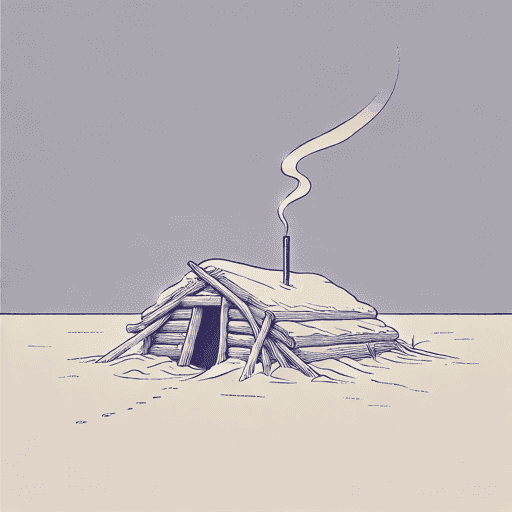
Isola: A Novel
69 pages • 2-hour read
Allegra GoodmanIsola: A Novel
A modern alternative to SparkNotes and CliffsNotes, SuperSummary offers high-quality Study Guides with detailed chapter summaries and analysis of major themes, characters, and more.
Book Club Questions
General Impressions
Gather initial thoughts and broad opinions about the book.
1. The Prologue opens with Marguerite already stranded on the island. How does this opening shape your expectations for the narrative?
2. Isola is a historical fiction novel that expands sparse historic records of Marguerite de la Rocque’s exile. Have you read other books that expand or fictionalize the narrative of a historic female figure? (For example, Emily Franklin’s The Lioness of Boston, or Joyce Carol Oates’s Blonde) How does Isola compare?
3. Were you satisfied with the conclusion of Marguerite’s story? Why or why not?
Personal Reflection and Connection
Encourage readers to connect the book’s themes and characters with their personal experiences.
1. Throughout her life, Marguerite struggles to accept that God has a divine plan for her, especially when she faces tragedy after tragedy. If you are religious, have you ever struggled with your faith? What events prompted these feelings of doubt? How does this inform your understanding of Marguerite’s spiritual journey?
2. Marguerite faces conflict because of her lack of agency as a woman. Have you ever felt restricted because of your gender? How did you try to overcome these restrictions?
3. Marguerite’s experience on the island transforms her character from a sheltered, immature girl to a fearless, self-sufficient woman. Have you ever experienced a difficult situation that changed you as a person? Do you think Marguerite’s transformation is realistic given what she endured?
4. Consider the region of Canada where Marguerite is stranded? Do you think the book accurately represents the region and the potential challenges of living in its wilderness?
Societal and Cultural Context
Examine the book’s relevance to societal issues, historical events, or cultural themes.
1. Analyze how the text critiques the strict class and gender divides present in 16th-century French society. How do behavioral expectations of gender and class influence or limit the characters’ actions?
2. Explore how the text comments on the use of religion as a tool for forced obedience. To what extent does Roberval’s weaponization of religion against Margeurite reflect the larger Use of Christian Faith to Reinforce Patriarchal Power during the Age of Discovery?
Literary Analysis
Dive into the book’s structure, characters, themes, and symbolism.
1. Birds appear in each new place Marguerite finds herself. Analyze how birds reflect Marguerite’s feelings of agency in each of her homes. How does the symbol change when Marguerite is surrounded by birds on her island?
2. Although Roberval is often cruel to her, Marguerite also craves his approval and guidance. Explore Marguerite’s complex relationship with Roberval. How does their relationship change as Marguerite grows up? What are the power dynamics that Roberval exploits for his own benefit?
3. Claire and Marguerite act as foil characters in the text. Compare and contrast the two characters. How do the qualities of one woman amplify the presence or absence of this quality in the other? How do Marguerite and Claire overcome their differences to forge a sisterly bond?
4. Throughout the book, one of Marguerite’s major conflicts is her struggle for control over her life decisions. How does Marguerite try to gain ownership over her life and her story? How does Marguerite’s quest for autonomy connect to the prevalence of storytelling and authorship in the text?
Creative Engagement
Encourage imaginative and creative connections to the book.
1. Consider what would happen if Roberval had led a voyage to another location in the New World—say, for example, the Caribbean Ocean or South America. How might the story of Marguerite, Auguste, and Damienne’s exile be different if they were left on a more tropical island? What different skills might they need in this environment compared to the Canadian wilderness?
2. Marguerite, Auguste, and Damienne are allowed to bring whatever provisions and possessions they can carry with them into their exile. If you were in the same position, what items would you bring with you? Would you only bring practical items for survival, or would you also include comforts, such as books and instruments?

Unlock all 69 pages of this Study Guide
Get in-depth, chapter-by-chapter summaries and analysis from our literary experts.
- Grasp challenging concepts with clear, comprehensive explanations
- Revisit key plot points and ideas without rereading the book
- Share impressive insights in classes and book clubs