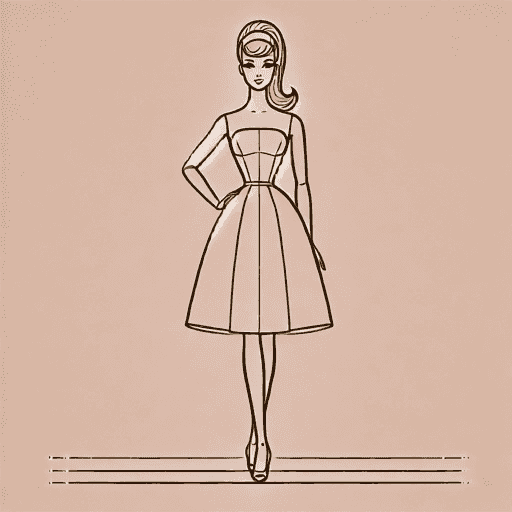
Let's Call Her Barbie
A modern alternative to SparkNotes and CliffsNotes, SuperSummary offers high-quality Study Guides with detailed chapter summaries and analysis of major themes, characters, and more.
Summaries & Analyses
Quizzes
NEWReading Tools
Games
Book Club Questions
Content Warning: This section of the guide contains discussion of illness and gender discrimination.
General Impressions
Gather initial thoughts and broad opinions about the book.
1. In what ways did the novel’s story of Barbie’s origin confirm or challenge what you thought you knew about Barbie? Did learning about the creation process change your perceptions? Why or why not?
2. Renée Rosen is known for writing biographical fiction about influential women, like Estée Lauder in Fifth Avenue Glamour Girl (2023). If you’ve read her other works, how does this novel compare to them? For those new to her writing, how effective did you find the blend of historical fact and fictional storytelling in bringing Ruth Handler’s world to life?
3. The creative partnership between Ruth Handler and Jack Ryan is central to the novel. What did you think of their dynamic? Was their volatile but brilliant collaboration ultimately more constructive or destructive, and why do you feel that way?
Personal Reflection and Connection
Encourage readers to connect the book’s themes and characters with their personal experiences.
1. Ruth is constantly advised to strike a balance between being tough and being feminine to succeed in a man’s world. Think about a time you’ve had to navigate competing expectations in a professional or social setting. How do Ruth’s strategies for gaining respect resonate with or differ from your own experiences?
2. The novel explores the personal sacrifices Ruth and Jack make for their creative vision, often at the expense of their family relationships. Have you ever been so passionate about a project or career goal that it was difficult to balance with your personal life? What did you learn from this experience?
3. Stevie Klein eventually realizes that Barbie has become her artistic muse. Has a project or interest you initially dismissed ever become a source of unexpected inspiration or fulfillment for you? In what ways did this challenge your assumptions, principles, or opinions?
4. Charlotte Johnson acts as a crucial mentor for Stevie, guiding her through the challenges of designing at Mattel. Can you recall a mentor who played a significant role in your own life or career? What made this mentor so important to you?
5. After losing everything at Mattel and battling cancer, Ruth reinvents herself by creating the “Nearly Me” prosthetic line, which represents a powerful “second act” in her life. Think of a moment in your life that required you to start over or find a new sense of purpose. In what ways was this a challenge and in what ways did it bring benefits?
6. Both Barbara and Ken Handler struggle profoundly with the public identity forced upon them by the dolls that share their names. In what ways have you had to deal with external expectations and how did you handle this?
Societal and Cultural Context
Examine the book’s relevance to societal issues, historical events, or cultural themes.
1. The story begins in a post-war America where baby dolls that encouraged girls to “play mommy” dominated the toy market. What does the initial rejection of Barbie’s adult figure reveal about mid-century anxieties surrounding female autonomy and sexuality? In what ways do you see similar debates about toys and gender roles playing out today?
2. The consciousness-raising scene vividly portrays the burgeoning feminist critique of Barbie as an “anatomically impossible” role model in the 1970s. How compelling did you find the arguments made both for and against the doll in that scene? How has the conversation around Barbie’s impact on body image and career aspirations evolved since the 1970s?
3. Mattel’s marketing team deliberately crafted Barbie to promote an aspirational lifestyle. What does the novel say about the power of consumer products to shape cultural ideals and personal dreams? Can you think of contemporary brands or products that sell a similar kind of aspirational identity?
Literary Analysis
Dive into the book’s structure, characters, themes, and symbolism.
1. Jack Ryan’s lavish parties at the Castle are described with a “Gatsby-like” quality, full of spectacle designed to mask a deep loneliness. What parallels did you see between Jack Ryan and F. Scott Fitzgerald’s famous character from The Great Gatsby (1925)? How does this comparison deepen the novel’s portrayal of Jack’s tragic pursuit of the American Dream?
2. The author chose to create the fictional character of Stevie Klein to serve as an additional perspective on the world of Mattel. How did this narrative choice affect your reading experience? What views did Stevie offer that might have been missing if the story were told only through the eyes of the real-life historical figures?
3. The novel presents two symbolic homes: Jack’s opulent and artificial “Castle” and Barbie’s minimalist, forward-looking “Dream House.” Compare and contrast these. How do the two spaces function together in the narrative?
4. Ruth’s character is illuminated through her relationships with the men around her, particularly her husband, Elliot, and her collaborator, Jack. In what ways do Elliot and Jack serve as character foils? How do their different forms of partnership highlight elements of Ruth’s identity?
5. The novel contrasts the perfect, idealized world of Barbie and the messy, painful realities of her creators’ lives. Where did you find this contrast to be most effective? How did it shape your understanding of the theme of Influencing Female Identity through Play and Toys?
Creative Engagement
Encourage imaginative and creative connections to the book.
1. Imagine you are on the marketing team for the original 1959 launch of Barbie, but for today’s audience of parents and children. What key aspects of the doll would you highlight in your campaign? What advertisements would you create?
2. The novel ends with Stevie Klein getting a job with designer Bob Mackie. Imagine a scene for Stevie five years later: What kind of designer has Stevie become, and how has her experience at Mattel influenced her work in the world of high fashion? Draw some of her designs for real women, with notes about how they reflect Barbie as Stevie’s personal muse.
3. If you were to add a new character to the Mattel design team in the late 1960s, what kind of person would they be? What unique perspective or conflict might they bring to the story as the company grapples with the cultural shifts of the era? Choose a scene from the novel and rewrite it with this character added.

Get in-depth, chapter-by-chapter summaries and analysis from our literary experts.
- Grasp challenging concepts with clear, comprehensive explanations
- Revisit key plot points and ideas without rereading the book
- Share impressive insights in classes and book clubs