Malice
78 pages • 2-hour read
John GwynneMalice
A modern alternative to SparkNotes and CliffsNotes, SuperSummary offers high-quality Study Guides with detailed chapter summaries and analysis of major themes, characters, and more.
Symbols & Motifs
The Seven Treasures
The motif of the seven treasures illustrates the impact of the past on the present while also contributing to the theme of The Corrupting Influence of Ambition and Power. The premise of Malice is underpinned by the idea of a fated God-War between Elyon, the creator, and Asroth, his first creation and betrayer. A part of the prophecy involves the Seven Treasures, made from a starstone that fell from the sky 2,000 years before the novel’s events begin. The starstone was made into The Seven Treasures: “cauldron, torc, necklace, spear, dagger, axe and cup” (69). Each of these items allows its possessor to become an Elemental, a being who has magical powers through their ability to control earth, air, water, or fire. Humans and giants fought over these artifacts for years until Elyon, disgusted, enacted the Scourging, killing off most of the humans and giants. From that time on, the artifacts were mostly forgotten, remembered by only a few.
In the Prologue, the novel introduces the artifacts as intertwined with Asroth’s return and the fulfillment of the God-War prophecy. The theft of the starstone axe, Evnis’s discovery of the necklace and search for the cauldron, and Corban and Nathair’s dreams of the cauldron signal that these instruments of power are once again in play, making the ancient history of the Banished Lands an active force in the present. The artifacts themselves, however, can be used for good or evil, highlighting the fact that those who will play a role in the upcoming war can make The Conscious Choice Between Good and Evil.
Wolven
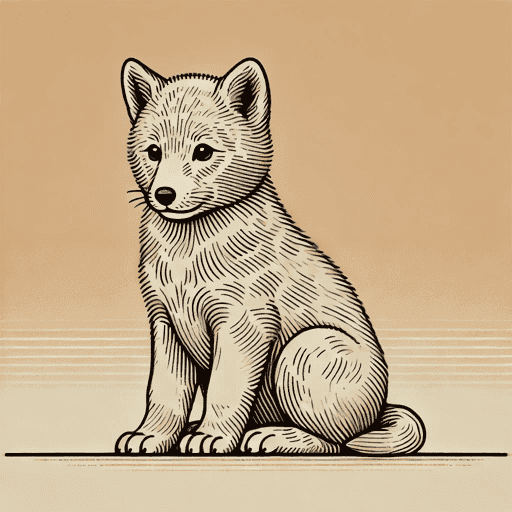
The wolven are a symbol of a primal, wilder world that exists outside the bounds of human society and its corrupting ambitions. As intelligent beasts bred by giants for the original God-War, they represent an ancient, untamed force of nature. Corban’s interactions with them serve as a test of his character, directly illuminating the theme of the conscious choice between good and evil as a matter of choice rather than destiny. His decision to rescue a trapped she-wolven from a bog is a defining moral act, driven by compassion in the face of fear. His subsequent choice to save her cub, Storm, solidifies this connection. He defends his actions by declaring, “[I]t felt right. It is right, to protect the innocent, isn’t it” (218). This statement establishes his innate sense of justice.
Storm becomes Corban’s constant companion and a living symbol of the pure, unwavering loyalty he embodies. While characters like Evnis and Jael are consumed by ambition and treachery, Corban’s bond with Storm represents a more fundamental morality rooted in empathy and courage. The wolven, and Storm in particular, serve as a touchstone for Corban’s developing identity, linking him to the powerful, instinctual forces of the old world.
Prophecy and Dreams
The motif of prophecy and dreams functions as a narrative device connecting the contemporary plot to the supernatural conflict of the looming God-War. These visions and ancient texts operate in the narrative as more than foreshadowing; they actively shape characters’ motivations and drive their actions, exploring the tension between destiny and free will. “The Writings of Halvor,” an ancient giant’s record, serves as the foundational prophecy, foretelling the return of avatars who will wage the God-War once more.
On a more personal level, key characters are influenced by visions from the Otherworld. Nathair’s conviction that he is the prophesied “Bright Star” is fueled by recurring dreams of a voice urging him to find a great cauldron, cementing his ambitious and morally ambiguous quest for power. Likewise, Corban experiences a powerful vision at the oathstone, in which a mysterious man attempts to recruit him for the coming struggle. The man tells him, “The God-War is coming. All will fight, it is only a matter of choosing what side you will fight for” (116). This encounter highlights Corban’s unknown but crucial role and frames his journey as a series of critical choices. Physical signs, like the Giant-Stones weeping blood, serve as public manifestations of these prophecies, reinforcing the sense that the world is on the precipice of a divine conflict.

Unlock the meaning behind every key symbol & motif
See how recurring imagery, objects, and ideas shape the narrative.
- Explore how the author builds meaning through symbolism
- Understand what symbols & motifs represent in the text
- Connect recurring ideas to themes, characters, and events