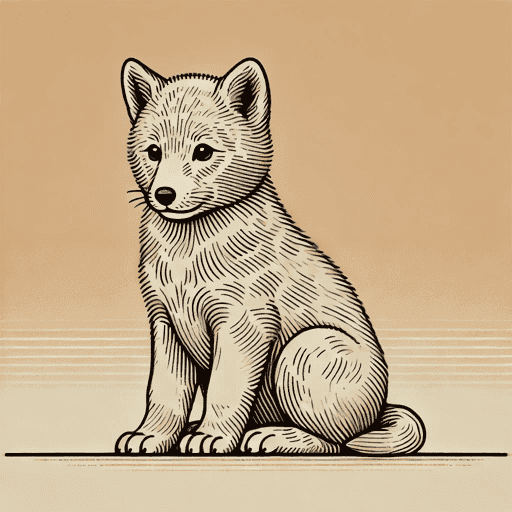
Malice
78 pages • 2-hour read
John GwynneMalice
A modern alternative to SparkNotes and CliffsNotes, SuperSummary offers high-quality Study Guides with detailed chapter summaries and analysis of major themes, characters, and more.
Themes
The Conscious Choice Between Good and Evil
In a world poised on the brink of a prophesied God-War, John Gwynne’s Malice frames the struggle between good and evil as a matter of conscious moral choice. The novel explores this theme on both the cosmic and personal levels, suggesting that in a land seemingly abandoned by its creator, destiny is not preordained; it is forged through the individual actions and allegiances of its inhabitants. Throughout the narrative, characters are defined by the moral decisions they make when confronted with fear, ambition, and duty. As the God-war approaches, each individual is forced to confront their own moral framework and limitations.
The Prologue immediately establishes this focus on choice through Evnis. Standing at the edge of the Darkwood, he is acutely aware of the path he is choosing, acknowledging it will make him a “traitor to his king” (1). Driven by resentment and the ambition to escape his brother’s shadow, he deliberately makes a pact with the dark god Asroth. He doesn’t do it because he is innately evil; this is a calculated decision to embrace a malevolent power for personal gain. In contrast, Corban faces his own moral crossroads when he discovers a pregnant wolven trapped in a bog. Every instinct for self-preservation tells him to flee the dangerous beast, yet he makes the difficult and compassionate choice to save her. This act of virtue, born from an internal struggle between fear and empathy, sets him on a path defined by a fundamentally different set of moral principles than Evnis, who willingly and consciously suspends his morals when it benefits him.
The theme extends beyond individual choices to the mythological framework of the world itself. “The Writings of Halvor” reveal that Asroth, Elyon’s “beloved,” was not created evil; consistent with the fallen angel trope, he chose deception out of pride, a human-level emotional response that results in a moral failing. This history reinforces the idea that evil results from corruption; it is not an original state. Prince Nathair’s journey further complicates this binary. Believing he serves a “greater good,” he forges a secret alliance with the Vin Thalun, his kingdom’s enemies. His ambition is cloaked in righteous purpose, blurring the line between virtue and corruption and demonstrating how easily moral clarity can be lost in the pursuit of a perceived destiny. Through these intersecting narratives, Gwynne suggests that the battle between good and evil is ultimately waged within the hearts of individuals, where every choice contributes to one’s moral framework.
The Burdens of Lineage and the Trials of Manhood
Malice portrays the transition to manhood as a brutal trial defined by combat, honor, and the arduous struggle to forge an identity separate from the shadows of one’s lineage. Through the parallel journeys of its young protagonists, the novel examines how societal and familial expectations shape a young man’s sense of self, ultimately suggesting that true worth is earned through moments of moral and physical courage, not simply inherited. Status and name provide a starting point, but the narrative consistently emphasizes that a man’s true measure is made in moments of honesty and integrity.
The burden of family reputation is a powerful catalyst for growth, as the characters seek to establish their independent identities. Veradis is deliberately sent by his father to serve in King Aquilus’s court, rather than his own, a move his brother Krelis explains is to ensure he is not “treated as the Baron’s son” (26). This forced separation from his home and title is designed to compel Veradis to build a reputation based on his own merit. Similarly, Corban is haunted by the legacy of his father, Thannon, the formidable fist-fighting champion. Rafe’s taunt, “Nothing like your da, are you” (31), crystallizes the social pressure Corban feels to live up to his father’s strength. His decision to accept secret training from Gar is a direct response to this inadequacy, marking the beginning of his journey to forge a warrior identity on his own terms, independent of his father’s fame.
Beyond escaping lineage, characters actively seek out trials to define themselves. Kastell, perpetually undermined by his cousin Jael, views martial honor as the only path to respect. His choice to join the Gadrai, an elite band of giant-killers, is a decisive step toward creating an identity founded on proven courage rather than the political status he was born into. The formal rites of passage within the novel’s martial society, such as the warrior trial and the Long Night, institutionalize this concept. These are grueling tests of combat skill and endurance that serve as the official demarcation between boyhood and manhood. In this world, a man’s worth is established through his actions, whether in a formal trial or a desperate battle for survival. Gwynne thus illustrates that while one’s family may cast a long shadow, a man’s true identity is ultimately shaped by his own courage, displayed when his character is put to the test.
The Corrupting Influence of Ambition and Power
In Malice, Gwynne illustrates how the pursuit of power and personal ambition is an inherently corrupting force that erodes loyalty, incites betrayal, and destabilizes entire kingdoms. From intimate family rivalries to geopolitical maneuvering, characters driven by a lust for status consistently justify treachery and violence, suggesting a world where allegiance is a commodity and political power often serves personal malice. The narrative demonstrates that whether ambition is born of resentment or a sense of destiny, its path inevitably leads to the fracturing of trust and the onset of conflict.
This theme is established through betrayals that strike at the heart of familial and feudal bonds, made in the name of power. In the Prologue, Evnis is consumed by the desire to “step out from [his] brother’s shadow” and achieve the power he feels he is owed (4). This ambition drives him to forge a pact with the dark god Asroth and Queen Rhin, a conscious act of treason against his king and kin. His personal resentment fuels his role in a kingdom-wide conspiracy, showing how an individual’s lust for power can cause him to suspend moral accountability and contribute to much more far-reaching damage. On a more intimate scale, Jael’s relentless campaign to undermine his cousin Kastell is fueled by a similar ambition to secure his own inheritance and status. His plotting transforms a familial relationship into a deadly political game, culminating in murder and demonstrating how personal ambition can sever even the most fundamental ties.
This corrupting influence extends from personal relationships to the highest levels of political power. Queen Rhin of Cambren embodies the geopolitical manipulator, using Evnis as a pawn and stoking conflict between Ardan and Narvon to advance her own expansionist goals. For Rhin, war and betrayal are simply tools to achieve her ambition of becoming High Queen. Prince Nathair’s journey offers a more complex illustration of the theme. Convinced of his own destiny as Elyon’s champion, he forms a secret alliance with the Vin Thalun, his kingdom’s ancestral enemies. He justifies this defiance of his father’s command by framing it as a necessary step toward a “greater good.” Yet even when cloaked in righteous purpose, his ambition leads him to betray his king’s trust and engage with treacherous powers, highlighting how the pursuit of power, no matter the justification, ultimately erodes trust and loyalty.

Unlock every key theme and why it matters
Get in-depth breakdowns of the book’s main ideas and how they connect and evolve.
- Explore how themes develop throughout the text
- Connect themes to characters, events, and symbols
- Support essays and discussions with thematic evidence