North! Or Be Eaten
67 pages • 2-hour read
Andrew PetersonNorth! Or Be Eaten
A modern alternative to SparkNotes and CliffsNotes, SuperSummary offers high-quality Study Guides with detailed chapter summaries and analysis of major themes, characters, and more.
Symbols & Motifs
Content Warning: This section of the guide includes discussion of animal cruelty and physical abuse.
The Journey North
The family’s titular journey north is the primary engine for the plot, and as the Igibys struggle to survive the oppressive forces of Gnag the Nameless, they pin their hopes on finding safety in the Ice Prairies. This quest directly informs the novel’s focus on choosing courage and developing one’s own identity. The journey forces the Igibys to confront their deepest fears and strips away their past lives, forging new identities as they endure constant threats from an array of external forces. As Nia notes before they even begin, “Journeys like this seldom go as planned” (15), and her words foreshadow the difficulties of their path, which is fraught with unforeseen dangers that test their resolve and redefine their familial roles.
The northward path itself represents an escape from the heart of Gnag’s power, for the family has strategically chosen to seek out a cold climate that is hostile to the Fangs. Each stage of the journey functions as a crucible, from their flight through Glipwood Forest and the crossing of the treacherous Miller’s Bridge to the trek over the Stony Mountains. Constantly forced to adapt to their ever-shifting circumstances, the family members endure relentless pressure and gain a deeper understanding of who they truly are. These revelations are actively forged through the perilous act of pursuing the journey.
Physical and Metaphorical Transformation
The motif of physical and metaphorical transformation is critical to the novel’s exploration of identity as a fluid state. Throughout the story, characters’ inner selves are shown to be dangerously mutable, and even their physical forms can change under the stress of intense circumstances. These elements suggest that identity itself can be violently stolen, willingly surrendered, or even heroically reclaimed. This motif is central to the theme of Forging a New Identity Amid Aversity, as the primary threat from Gnag the Nameless is a forced, monstrous transformation. When Tink falls into the hands of the Stone Keeper and undergoes an invasive process that transforms him into a hostile, feral Grey Fang, this pattern of lost identity reaches its most dramatic moment. As the Stone Keeper presides over the transformative ritual, she chants, “Sing the song of the ancient stones and the blood of the beast imbues your bones” (249). Tink thus becomes a snarling, wolf-like creature, losing the very essence of himself and succumbing to the very fate that the Igibys are fighting against.
Juxtaposed against this malevolent change is the redemptive transformation of Artham Wingfeather. He begins the novel as a broken man who goes by the nickname of Peet the Sock Man, but his heroic potential gradually emerges. Through an act of sacrificial love, he finally reclaims his true form and identity. When he breaks free of his cage, he is no longer Peet, but “Artham P. Wingfeather,” and he stands in triumph, “bloodied and panting, eyes ablaze” (293). This triumphant reclamation of his winged form and heroic mantle serves as a powerful counterpoint to Tink’s tragic alteration, demonstrating that although a person’s identity can be stolen, it can also be courageously reforged.
Sea Dragons
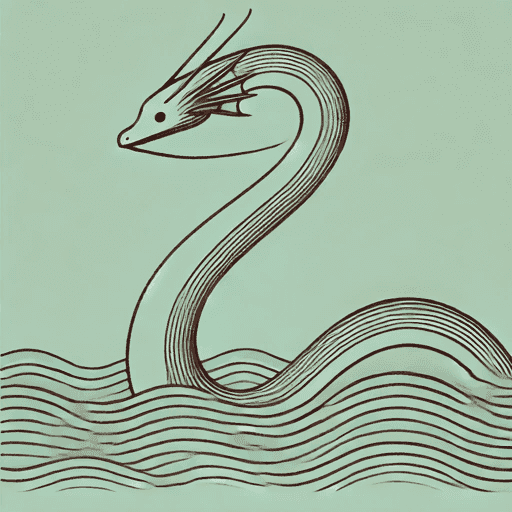
The sea dragons represent an ancient, primordial form of justice and memory that exists beyond the immediate conflict between the family and Gnag’s forces. Their appearance at Fingap Falls is a reckoning with Podo Helmer’s crimes as a pirate. They embody a deep moral order that does not forget past transgressions, and their insistence upon justice lends weight to the idea that past mistakes can have lasting consequences. The old dragon’s anger makes this clear when he declares, “Scale Raker [Podo] is ours. His offense is great, and we will not so easily let him tread our waters” (313). This confrontation forces Podo to admit his secret shame: the damage that he once inflicted by hunting sea dragons and permanently disfiguring a young dragon in his violent zeal. The sea dragons’ retribution has fueled Podo’s terror of the sea throughout the journey, and this revelation now adds complexity to his character. The dragons’ wrath is the consequence of a shameful history that Podo has spent years trying to escape.
The sea dragons also symbolize the duality of justice, for just as they seek to exact a terrible vengeance, they are also capable of offering unearned mercy, and the latter is a concept that arises from the author’s distinctly Christian worldview. While the dragons’ rage nearly destroys the ship, they respond to Leeli’s innocent song and listen to Artham’s plea, respecting his position as a Throne Warden. The pivotal moment comes when the wounded dragon Hulwen is offered the chance for revenge and chooses mercy, communicating, “Let them go. His scars run deeper than mine” (316). The dragons’ final judgment on Podo—a lifetime banishment from the sea rather than death—is an act of nuanced justice that reinforces the novel’s broader exploration of guilt, forgiveness, and the enduring power of mercy.

Unlock the meaning behind every key symbol & motif
See how recurring imagery, objects, and ideas shape the narrative.
- Explore how the author builds meaning through symbolism
- Understand what symbols & motifs represent in the text
- Connect recurring ideas to themes, characters, and events