Poem For A Lady Whose Voice I Like
Poem For A Lady Whose Voice I Like
A modern alternative to SparkNotes and CliffsNotes, SuperSummary offers high-quality Study Guides with detailed chapter summaries and analysis of major themes, characters, and more.
Summaries & Analyses
Quizzes
NEWReading Tools
Poem Analysis
Analysis: “Poem for a Lady Whose Voice I Like”
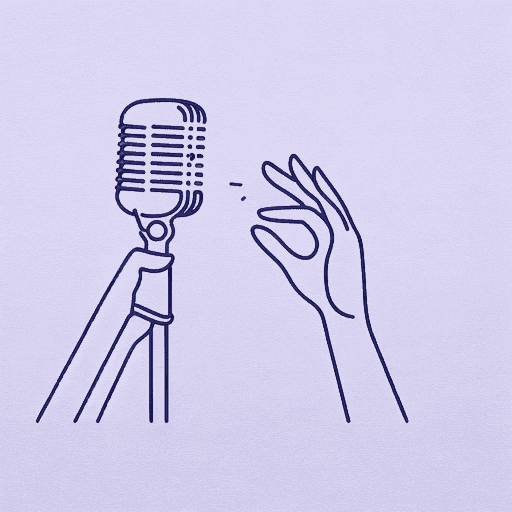
Giovanni’s poem is a dialogue between two people called only “he” and “she.” Though the speaker never gives any commentary, the title explains that the speaker likes the voice of the “lady,” setting up an expectation for the reader to side with the lady against the man. This framing device allows the reader to make their own inferences, as though they too are overhearing the conversation for themselves. It invites the reader to ask which of the two voices they prefer. A reader might consider this not only as an overheard conversation between a man and a woman but as an allegory for the role of the male critic and the female creator. One tries to tear the other down, and the lady must go on creating despite that criticism.
The juxtaposition of the two voices makes it clear how different they are. One is the voice of a male who is criticizing the lady by telling her she “ain’t got no talent” (Line 1). It establishes that the woman is a creator or artist of some kind and that the man may be a critic, either formally or just an audience member who has his own opinion. The male never says what he doesn’t like about the female, but he does say that she’s only getting anywhere because she has “a face” (Line 2), and because the “white folk” are “under / yo skirt giving you the big play” (Lines 12-13). This language is meant to degrade the woman, essentially calling her a “slut” and a “sell-out.” It implies the double standard women often get when they succeed, the stereotype that they aren’t capable of doing things on their own but require the help of men and more powerful people to elevate them. He is accusing her of rising to a level of success only because white people elevated her based on her good looks and sexuality. The phrase “under yo skirt” (Line 13) can imply both sexual exploitation and the idea of using her as a puppet.
In contrast to this, the woman does not defend herself directly. She tells the story of Genesis with her own spin. This shows the woman’s creative power, proving that the man is wrong about her level of talent and how the woman will create despite his criticism. It also makes clear that the woman is open to different kinds of creativity and accepts different kinds of people as part of her creation.
In Stanza 6, she writes:
and she replied: then he took a big Black greasy rib
from adam and said we will call this woeman and her
name will be sapphire and she will divide into four parts
that simone may sing a song (Lines 15-18).
These lines refer to the civil rights activist and singer Nina Simone, who wrote a song called “Four Women” (1996). The lady implies that all different kinds of women spring from the head of one woman, the first that God created. This elevates all women, including the “prostitute” and the mother, to the position of Eve in the Bible.
The lady only directly addresses the man once at the end of the poem, saying, “show me someone not full of herself / and i’ll show you a hungry person” (Lines 20-21). This justifies her self-confidence, implying that she is “full” (Line 20) on herself to satisfy a hunger. The natural thing to do when hungry is to eat. Through this rhetorical metaphor, self-esteem is as natural as eating, and rather than making her a worse person, it makes her healthier. She thus implies that the man is likely hungry himself.

Get in-depth, chapter-by-chapter summaries and analysis from our literary experts.
- Grasp challenging concepts with clear, comprehensive explanations
- Revisit key plot points and ideas without rereading the book
- Share impressive insights in classes and book clubs