Sinners Anonymous
58 pages • 1-hour read
Somme SketcherSinners Anonymous
A modern alternative to SparkNotes and CliffsNotes, SuperSummary offers high-quality Study Guides with detailed chapter summaries and analysis of major themes, characters, and more.
Symbols & Motifs
Content Warning: This section of the guide contains discussion of emotional abuse, suicidal ideation, and sexual content.
The Sinners Anonymous Hotline and Phone Booth
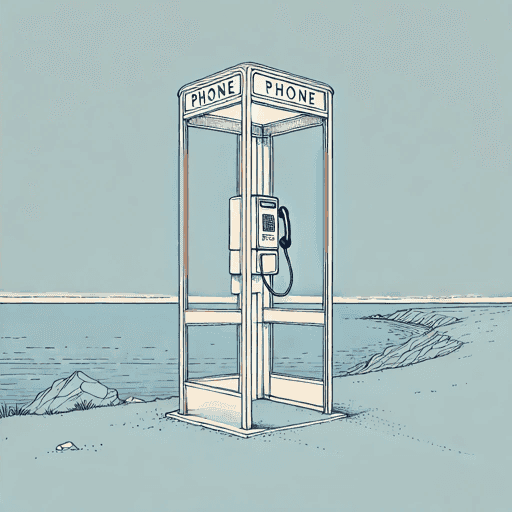
The Sinners Anonymous hotline and its associated phone booth function as the novel’s central symbol, representing the subversion of confession from a tool of spiritual redemption into a mechanism for surveillance and control. Initially, the hotline offers Rory a seemingly safe, anonymous outlet for her guilt, a modern substitute for a religious confessional. The automated, impersonal nature of the service creates an illusion of privacy, as a robotic voice instructs, “Please leave your sin after the tone” (4). This sterile invitation encourages vulnerability while obscuring the fact that her confessions are being monitored.
The revelation that the hotline is a tool created by Angelo, Rafe, and Gabe Visconti to identify and punish sinners transforms the symbol’s meaning. It becomes an emblem of the theme of confession as a transaction for power. This transition unsettles Rory, as she witnesses the violent repercussions for those who committed more transgressive crimes than her. However, she still values the act of confession and pursues it more, in this time, through her relationship with Angelo. At the novel’s end, Angelo changes the phone booth’s location to their garden, where Rory can always access it. This places power back in her hands, as he recognizes the importance of confessing to her and wants to allow her to do so in an environment in which she feels safe. The hotline thus begins and ends as a symbol of agency, through which one can process their own actions and internal struggles.
The Cliff
The cliff off Devil’s Cove, near the old church in which Angelo’s father used to preach, is a recurring setting in the novel, one with strong, complex significance to both Angelo and Rory. Angelo’s storyline begins nine years before the narrative present at the church, grieving at his parents’ funeral. Due to his father’s profession—and how he utilized confessions to blackmail townspeople—the church represents his warped perspective on religion, morality, and family. The cliff nearby is a perch from which to observe the town and the docks, or the center of La Cosa Nostra’s smuggling operation, and thus represents the privileged, powerful position Angelo and the Viscontis hold in the area.
Meanwhile, Rory begins her story at the cliff, plagued by her “sins” and considering dying by suicide. The setting exists between the richer location of Devil’s Cove in which the Viscontis live and the regular, working-class town of Devil’s Dip that Rory comes from. The former represents imprisonment and the risk of harm, while the latter represents freedom, happiness, and the pursuit of her own interests. She returns to this liminal space throughout the novel as she tries increasingly to secure her own agency once again, such as when she first participates in a sexual encounter with Angelo and when she plans how to kill Alberto. Finally, at the novel’s conclusion, she stands with Angelo after their wedding and discusses how they’ll prepare for the upcoming turf war. This final scene represents the completion of her journey, where she now holds a position of power and independence like Angelo, just as she now ascribes to his more relative, gray morality.
Birds
The motif of birds is intricately tied to Rory’s identity, representing her desire for freedom, her connection to her past, and her struggle for agency in a patriarchal world. As the daughter of the Devil’s Preserve ranger, her knowledge of birds symbolizes a selfhood that exists outside the gilded cage of the Visconti family. Her habit of using bird names as expletives—such as “Oh, sparrow” and “Holy crow”—functions as a form of sanitized rebellion, allowing her to express frustration while retaining a piece of the innocent identity Alberto and his world are trying to erase.
Conversely, Angelo’s nickname for her, “Magpie,” reflects his initial, reductive perception of her as a common thief attracted to shiny things. This label strips her of her individuality and reinforces her objectification. The motif becomes a direct point of conflict when Rory’s expertise is weaponized against her. Dante mocks her passion for conservation, asking sarcastically, “Since you’re so passionate about wildlife, Aurora, I thought perhaps you might have some other suggestions?” (10). This dismissal of her knowledge highlights how the men in her world devalue her agency, reducing her defining passion to a trivial, womanly sentiment. Through this motif, Sketcher illustrates Rory’s internal battle to hold onto her true self amidst overwhelming oppression.

Unlock the meaning behind every key symbol & motif
See how recurring imagery, objects, and ideas shape the narrative.
- Explore how the author builds meaning through symbolism
- Understand what symbols & motifs represent in the text
- Connect recurring ideas to themes, characters, and events