Stig of the Dump
44 pages • 1-hour read
Clive KingStig of the Dump
A modern alternative to SparkNotes and CliffsNotes, SuperSummary offers high-quality Study Guides with detailed chapter summaries and analysis of major themes, characters, and more.
Book Club Questions
Content Warning: This section of the guide contains discussion of bullying.
General Impressions
Gather initial thoughts and broad opinions about the book.
1. The novel blends the realism of Barney’s everyday life with the fantasy of meeting a prehistoric boy. Did this combination feel successful to you, and how did it affect the story’s overall tone?
2. How does the friendship between Barney and Stig compare to other iconic friendships in children’s literature, such as in Frances Hodgson Burnett’s The Secret Garden?
3. Which scenes or events in the novel did you find most memorable or enjoyable, and why?
Personal Reflection and Connection
Encourage readers to connect the book’s themes and characters with their personal experiences.
1. Has the book changed how you view “junk” or the potential in discarded items, given how Stig and Barney treat the dump as a treasure trove?
2. Despite their lack of a common verbal language, Barney and Stig forge a powerful friendship that changes both of them. Did you experience a similarly transformative friendship as a child? What is it about childhood that makes these bonds particularly intense?
3. The friendship between Barney and Stig is built entirely on actions, not words. Have you ever formed a strong connection with someone where spoken language was not the primary means of communication?
4. Adults consistently disbelieve Barney’s accounts of his adventures. Were your experiences ever dismissed or disbelieved in childhood? How did it make you feel?
5. The dump becomes a secret world for Barney after he ignores his grandmother’s warnings that the site is dangerous. Did you have places you explored as a child that felt adventurous or secret? What were they like?
Societal and Cultural Context
Examine the book’s relevance to societal issues, historical events, or cultural themes.
1. What commentary does the novel offer on consumerism and waste, especially when viewed through Stig’s resourceful perspective? How have these themes remained relevant since the book’s publication in 1963?
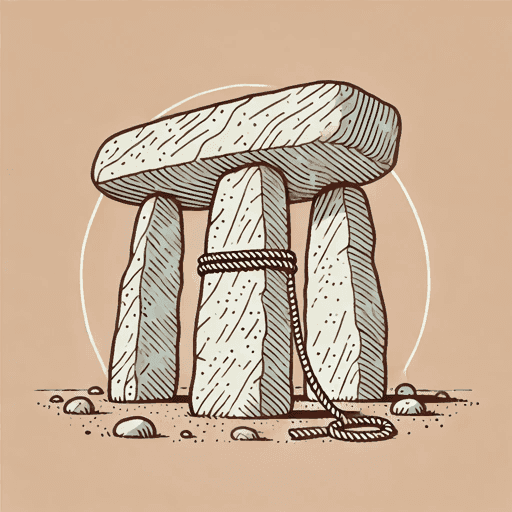
2. The story is grounded in the real prehistoric history of Kent, England. How does embedding the fantasy in actual archaeology, like the practice of flintknapping and the presence of standing stones, affect the story’s plausibility?
3. Barney is often unsupervised and explores the dangerous chalk pit alone. How does this portrayal of childhood freedom compare to contemporary attitudes about safety and parenting?
Literary Analysis
Dive into the book’s structure, characters, themes, and symbolism.
1. What is the significance of the chalk pit as the novel’s central setting? In what ways does this liminal space, a modern dump in a prehistoric landscape, allow the author to explore the story’s key themes?
2. The final chapters use a time-slip device, a trope found in other classic children’s fantasies like Philippa Pearce’s Tom’s Midnight Garden. How does King’s use of this device to explain Stig’s origins compare to its function in other stories you may have read?
3. How does the author effectively build Stig’s character without using dialogue? What specific actions or creations reveal the most about his personality and inner world?
4. What role does Lou play in the story? How does her journey reflect the pressures of coming of age?
5. The narrative perspective briefly shifts away from Barney on a few occasions, such as to Lou during the fox hunt. Why do you think the author chose to include these outside viewpoints?
6. In what ways does the recurring motif of hunting highlight the differences between Stig’s world and Barney’s?
Creative Engagement
Encourage imaginative and creative connections to the book.
1. Stig’s den is a marvel of resourceful engineering. Your task is to design a new addition for it using three items you might find in a modern dump, such as a broken tablet, a car tire, and an old microwave. What would you build, and what purpose would it serve?
2. Stig communicates his world to Barney by drawing a hunting scene on the cave wall. What scene from Barney’s 20th-century life would you choose to draw for Stig? Describe how you would render it and what you imagine his reaction would be.
3. The Midsummer Night adventure culminates in a massive communal effort to move a stone. You are invited to join Stig’s tribe for this task. What modern skill or simple object would you contribute to help them, and how might the tribe adapt your contribution?

Unlock all 44 pages of this Study Guide
Get in-depth, chapter-by-chapter summaries and analysis from our literary experts.
- Grasp challenging concepts with clear, comprehensive explanations
- Revisit key plot points and ideas without rereading the book
- Share impressive insights in classes and book clubs