Stig of the Dump
44 pages • 1-hour read
Clive KingStig of the Dump
A modern alternative to SparkNotes and CliffsNotes, SuperSummary offers high-quality Study Guides with detailed chapter summaries and analysis of major themes, characters, and more.
Symbols & Motifs
Content Warning: This section of the guide includes animal death.
The Dump
The dump is the novel’s central symbol, representing The Transformative Power of Imagination and Resourcefulness. Even before he meets Stig, Barney views the chalk pit as a landscape of endless possibility. The jumble of garbage it contains sparks his imagination as he wonders if he sees “the steering wheel of a ship? The tail of an airplane?” (4-5). This initial perception establishes the dump as a place of new beginnings, where waste is reborn as a resource. Stig’s den, built from the refuse of Barney’s world, physically embodies the theme of resourceful invention.
Repurposing the dump’s contents serves as the main form of communication between Barney and Stig, forging a friendship that transcends language. The novel frequently shows how Stig’s timeless knowledge and Barney’s modern imagination merge to create a functional, unique world. Their practical collaborations are based on problem-solving and mutual respect, underscoring the theme of Forming Unexpected Relationships Through Empathy. For instance, working together, they create a chimney, fitting discarded tins “one into the other until they had a pipe that was taller than either of them” (35). This description captures the essence of their bond: two different worlds and skill sets combining to make something new and useful.
The dump serves as a liminal space where the boundary between past and present dissolves. King critiques throwaway culture as the cast-offs of modern consumer society intersect with Stig’s prehistoric, resourceful way of life. The setting also highlights The Divide Between Childhood Perception and Adult Skepticism, as Barney’s grandmother’s warnings to stay away from the dump are juxtaposed with Barney’s wondrous experiences there. The dump is presented as a world that can only be appreciated through the perceptive, non-judgmental eyes of a child.
The Standing Stones
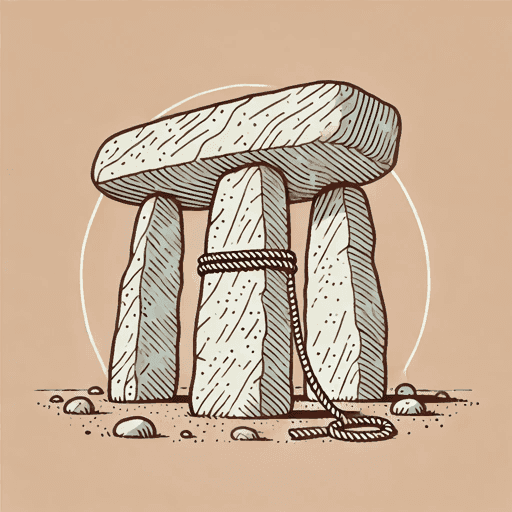
The standing stones, erected during the dreamlike Midsummer Night sequence, are a symbol of communal effort, ritual, and the tangible presence of history. This climactic event represents the ultimate merging of past and present, as Barney and Lou join Stig’s ancient tribe in a monumental task. The process of moving the great stone slab is instinctual and collaborative, illustrating a universal human impulse that connects people across millennia. The narrative emphasizes the silent, unified nature of the work, noting how “nobody was making suggestions, nobody was arguing, nobody was even giving orders. They just sang their wailing song” (166). This depiction of selfless, rhythmic teamwork highlights a form of communication and community that is primal and deeply ingrained.
The creation of the megalith is a feat of engineering and a sacred act that physically alters the landscape, leaving a permanent mark of the past upon the present. For Barney and Lou, the experience collapses time, transforming a historical curiosity into a lived reality. The stones symbolize the idea that history is an enduring force, and that ancient human endeavors continue to shape the world in profound, visible ways.
Hunting
The motif of hunting highlights the contrast between modern, ritualized practices and the practical, survival-based instincts that Stig represents. When Lou rides out with the North Kent Foxhounds, Barney attempts to explain the concept of fox hunting to Stig through exaggerated gestures, making “fierce stabbing motions with the spear, and galloping movements in his rubber boots, and even imitat[ing] a hunting horn: “Tara, tara, taraa” (59). His pantomime-like performance and Stig’s bemused reaction emphasize the artificial quality of the hunt Barney is describing. Fox hunting is a ceremonial tradition governed by rules, costumes, and rituals that are meaningless to Stig.
Stig’s approach to hunting stands in stark contrast to the hunt Lou participates in. Setting off with “a real hunting spear” (58), he demonstrates the practical skills of a true hunter. Moving silently through the woods with his bow and arrow, he stalks and shoots a pheasant before pouncing on it, displaying an instinctive efficiency that belongs to a much older way of life. His reaction to the foxhounds further emphasizes this primal perspective: When confronted by one of the dogs, he growls and bites it, behaving like a creature defending its territory. Yet Stig’s behavior also reveals an ethical logic rooted in survival. When Barney finally comes face-to-face with the fox and prepares to spear it, Stig stops him, recognizing that killing the animal would serve no purpose if they do not intend to eat it. Although Stig appears primitive, his reasoning is both practical and humane, in contrast to modern society, which kills animals for sport.
This motif of hunting reappears later at the children’s fancy-dress party, where a mock chase turns into a real, dangerous pursuit. At first, the children play at hunting by chasing Lou, who is dressed as a leopard, echoing the earlier fox hunt as a game involving costumes and rules. However, the situation abruptly changes when a genuine leopard escapes from the circus. While the rest of the children play at being “cowboys and Indians” (124), Stig acts with practical competence, demonstrating how his prehistoric knowledge can solve problems that modern society is unprepared to handle.
The leopard hunt also marks a culmination of Barney and Stig’s friendship. Barney plays a vital role in capturing the dangerous animal, showing that he has learned practical skills and courage from Stig through their shared experiences. At the same time, the incident reinforces the theme of The Divide Between Childhood Perception and Adult Skepticism, as the children’s capture of the escaped circus animal forces the adults to acknowledge seemingly impossible events.

Unlock the meaning behind every key symbol & motif
See how recurring imagery, objects, and ideas shape the narrative.
- Explore how the author builds meaning through symbolism
- Understand what symbols & motifs represent in the text
- Connect recurring ideas to themes, characters, and events