Stig of the Dump
44 pages • 1-hour read
Clive KingStig of the Dump
A modern alternative to SparkNotes and CliffsNotes, SuperSummary offers high-quality Study Guides with detailed chapter summaries and analysis of major themes, characters, and more.
Themes
Content Warning: This section of the guide includes discussion of bullying.
Forming Unexpected Relationships Through Empathy
In Stig of the Dump, the bond between Barney and the prehistoric boy Stig shows how friendship can grow out of instinctive empathy, shared tasks, and mutual regard, even when the people involved cannot speak the same language. The boys’ connection thrives without a common tongue and rests on direct experience and practical help. King presents their silent partnership as a model of communication in which assistance, making things together, and standing up for one another convey meaning and intent that spoken words cannot communicate. The connection between Barney and Stig forms through the work they do side by side.
The concept of communication beyond language is illustrated during Barney and Stig’s first meeting. After Barney tumbles into the chalk pit and ends up caught in creepers, Stig watches from the den without immediately responding. Their relationship begins with an act of problem solving and wordless help, as Stig studies the situation, takes Barney’s proffered broken pocketknife, and shapes a sharp flint blade to cut him free. Stig shows that he understands Barney’s plight and his decision to help bonds the boys through a shared moment of jeopardy. Stig’s grin when Barney declares, “You are clever! I bet my Granddad couldn’t do that, and he’s very good at making things” (8) indicates that while he cannot understand the words, he recognizes the sound of praise. At the boys’ next meeting, Stig’s pleasure in seeing Barney is conveyed as he “waved both arms over his head, and he jumped about in the bottom of the pit” (22). His physical gestures express the growing liking and trust between them.
The boys’ ability to understand each other without speech grows as they work on Stig’s den together. Their decision to add a chimney and a window illustrates how Barney and Stig wordlessly combine their skills and complement each other’s knowledge. Barney brings ideas from modern houses and supplies the tins and jam jars. Meanwhile, Stig uses his instinctive sense for construction to shape the materials, fitting the tins into a pipe and pressing the jars into the clay wall. They finish the job through gestures and demonstrations rather than sentences. Their building work, which falls into an easy rhythm, becomes a form of conversation, and their relationship strengthens through the tangible results of their joint creations.
The boys’ loyalty to each other becomes plain when the Snarget brothers threaten Barney. Stig sees that Barney is in danger and rushes from the den to defend him, without waiting for any explanation. He perceives the threat on sight and acts with certainty. This moment shows a level of devotion that comes from instinct rather than spoken promises. The friendship rests on a sense of safety, companionship, and cooperation, and the trust between them carries more weight than anything they might say aloud.
Through moments of practical help, creative collaboration, and instinctive loyalty, Barney and Stig form a friendship grounded in mutual understanding rather than words. Their relationship demonstrates how kindness and cooperation allow people from entirely different worlds to connect without the need for shared language.
The Transformative Power of Imagination and Resourcefulness
The chalk pit at the center of Stig of the Dump holds the broken objects that modern society has thrown away, yet Barney and Stig treat this dump as a place full of invention. The book argues that an object’s value can grow with the application of imagination and practical skill. King contrasts the wastefulness of a culture that discards so much with Stig’s ability to reshape those cast-offs. The chalk pit becomes a symbol of resources waiting to be used, where a clever mind can uncover possibilities that others ignore.
Stig’s den shows this transformative spirit most clearly. He builds a workable and surprisingly comfortable home by repurposing discarded tools and household goods. His plumbing uses a bicycle mudguard to guide rainwater through a vacuum cleaner tube into a can. He lights the space with an old teapot filled with oil and a bootlace wick. He sleeps on bracken and newspapers. Stig does more than make do with these scraps. He shapes them into a home that reflects his own ingenuity. His way of living points back to a world where nothing is useless, and every item might take on a new function.
This inventive energy is intensified when Barney’s ideas combine with Stig’s hands-on skill. Their joint effort to add a chimney and a window to the den shows how the two boys complement each other. Barney notices that Stig’s home is smoky and dark and brings jars and tins from the dump, along with ideas on how they might help. Stig, who has never seen a chimney, works out how to pinch the tins into a pipe and how to fit the jars into the clay to make a glowing wall. Their cooperation turns rubbish into something sturdy and useful, and the den becomes a record of their shared imagination.
Stig’s resourcefulness also serves as evidence of his existence when Barney is apart from him. After their first encounter, Stig seems unreal to Barney, like a figure from a fantasy. However, Barney’s fears that Stig was a product of his imagination are allayed when he finds the tool Barney carved from flint in his pocket. The tangible nature of the sharpened flint, “glinting in the sunlight, like a black diamond” (17), convinces Barney that Stig must truly exist—“Of course Stig was real!” (17)—because the evidence of Stig’s creative skill lies in the object itself. The tool illustrates how inventive thinking and practical ability can transform the ordinary into something remarkable.
Stig’s habits also critique the ease with which the modern world discards things. He makes tools, weapons, and even music from abandoned items, including a bow made from a “springy television antenna” (50) and a simple harp built from an animal skull. While the adults in Barney’s life treat the chalk pit as a dump filled with hazards, Barney and Stig treat it as a stockpile of materials. Their perspective suggests that true value is created through reuse and steady attention, rather than by newness or price.
The Divide Between Childhood Perception and Adult Skepticism
In Stig of the Dump, children perceive aspects of the world to which adults are oblivious. This disparity in perception creates a gap between Barney’s lived experiences and the responses he receives from others. Barney’s family does not accept Stig’s existence, and adults interpret Barney’s accounts as make-believe. However, King’s validation of the protagonist’s perspective presents a world where children possess underestimated power and knowledge. For Barney, adults’ disbelief is isolating, but it also protects the private world that he and Stig inhabit.
The gap between children’s and adults’ perceptions is illustrated after Barney’s first visit to Stig. When he describes what happened, Lou and his Grandmother immediately reshape his story to match their expectations. Lou’s assertion that Stig is “just a pretend-friend” (13) reflects her stance as Barney’s older sibling, positioned between childhood and adulthood. Her cynicism indicates her desire to appear mature and leave the childhood world of make-believe behind. Meanwhile, Grandmother’s gentle assurance, “Of course [Stig’s] true” (13), indulges Barney without accepting his claim. Her kind yet patronizing tone implies superior knowledge, stemming from her greater life experience. Their reactions set a pattern in which adults treat Barney’s experiences as fantasy.
The novel’s depiction of adult disbelief continues when Barney and Stig stop a theft and recover stolen items. When Barney relates his encounter with the thieves, the policeman assumes he is fantasizing, observing, “When I was a youngster I used to have what your Granny calls a strong imagination too” (106). Only the stolen goods in Stig’s den force the policeman to accept the truth, though he avoids examining the details of Barney’s story. His response shows how adults strive to maintain tidy logic and cling to the most credible explanation for events, even when this contradicts the facts.
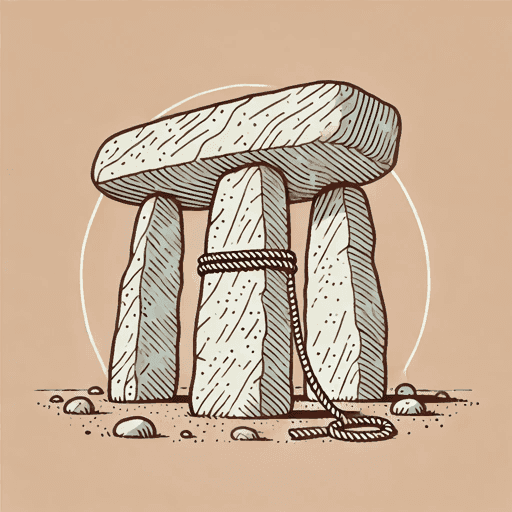
Eventually, Lou is persuaded of Stig’s existence after encounters with him during the fox hunt and at the children’s party. Her participation in the Midsummer Night adventure, helping to erect the standing stones with Stig and his tribe, illustrates a brief return to the more open viewpoint of childhood. The narrator’s observation that Barney and Lou, “Probably […] agreed on the way back not to say anything about what had happened. Anyhow, what could they say?” (173) reflects their shared understanding that some experiences remain beyond the adult world’s comprehension.
In this way, the novel suggests that the divide between children and adults lies in openness to wonder. As people grow older, their increasing knowledge of how the world “should” work encourages them to dismiss what does not fit familiar explanations. Lou, Grandmother, and the policeman each respond to Barney’s experiences by reshaping them into something logical, harmless, or imaginary, revealing how adulthood often replaces curiosity with certainty. By contrast, Barney’s willingness to trust what he sees allows him to encounter a richer and more mysterious world. King ultimately implies that adulthood can narrow perception: While adults gain knowledge, they may lose the imaginative openness that enables children to recognize life’s hidden possibilities and marvels.

Unlock every key theme and why it matters
Get in-depth breakdowns of the book’s main ideas and how they connect and evolve.
- Explore how themes develop throughout the text
- Connect themes to characters, events, and symbols
- Support essays and discussions with thematic evidence