The Boy Who Was Raised as a Dog: And Other Stories from a Child Psychiatrist's Notebook
The Boy Who Was Raised as a Dog: And Other Stories from a Child Psychiatrist's Notebook
A modern alternative to SparkNotes and CliffsNotes, SuperSummary offers high-quality Study Guides with detailed chapter summaries and analysis of major themes, characters, and more.
Summaries & Analyses
Quizzes
NEWReading Tools
Games
Chapters 10-12Chapter Summaries & Analyses
Content Warning: This section of the guide includes discussion of child abuse and child sexual abuse.
Chapter 10 Summary: “The Kindness of Children”
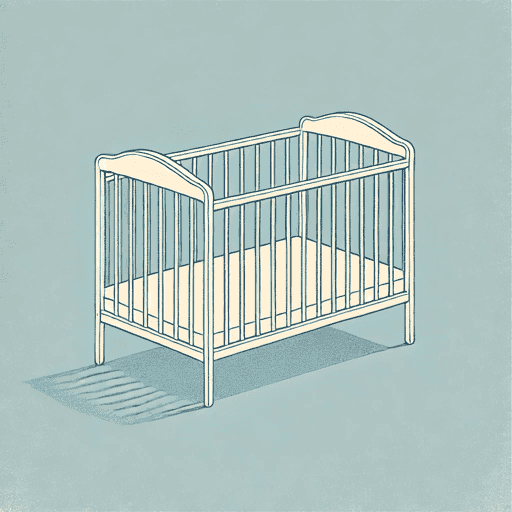
Perry introduces Peter, a seven-year-old boy adopted from a Russian orphanage at age three. Peter displayed infantile bonding behaviors with his adoptive mother, embarrassing his parents who expected age-appropriate conduct. The orphanage had housed 60 infants in rows of cribs, providing only 15 minutes of individual adult attention per eight-hour shift for basic feeding and changing. With no holding, rocking, or conversation, the children became sources of comfort for each other, reaching through the crib bars to hold hands and play simple games. Most remarkably, the orphaned children developed their own rudimentary language system of several dozen words. When Peter arrived in America, translators discovered his speech belonged to no known language—the children had created their own communication system in the absence of adult interaction.
Perry’s evaluation revealed Peter’s severely fragmented development. Brain scans showed cortical atrophy, enlarged ventricles, and underdeveloped lower brain structures—clear evidence of the impact of early neglect. At age seven, Peter functioned cognitively at or above his chronological age in mathematics and some language skills, but socially and emotionally, he resembled a three-year-old, while some motor skills matched those of an 18-month-old child.
Perry explained crucial brain development principles to Peter’s parents. The brain reaches 85% of adult size by age three—precisely when Peter experienced severe deprivation. Brain development occurs sequentially from lower regions (brainstem) to higher areas (cortex), with each level depending on proper development of preceding areas. This knowledge helped Peter’s parents understand why he required developmentally appropriate responses rather than chronologically appropriate expectations, which reduced their marital conflict over their different parenting approaches.
Peter’s problems intensified in kindergarten. His previous progress had occurred in one-on-one adult relationships, but the complex social environment of school overwhelmed his limited social processing abilities. He grabbed toys without understanding social cues, displayed unusual behavior, and spoke with an accent that made him seem strange to classmates. Peers responded with fear and rejection, creating a cycle that worsened his behavioral problems. Recognizing that peer relationships were crucial for Peter’s development, Perry developed an innovative intervention. He addressed Peter’s first-grade class, explaining brain development principles in age-appropriate terms. Perry described how the brain functions like muscles that grow stronger with practice, then shared Peter’s specific history—how he spent his first three years confined to a crib without opportunities for normal development. Perry emphasized Peter’s remarkable progress after adoption, framing his continuing challenges as understandable remnants of his difficult early experiences.
The intervention produced dramatic results. Once classmates understood Peter’s history, their natural compassion emerged. Instead of viewing his behavior as threatening, they recognized it as an understandable consequence of his past. Peter became popular, with children competing to include him in activities. The brightest students provided leadership that influenced the entire class dynamic, offering countless therapeutic interactions through their patience, tolerance, and nurturing responses. Peter’s behavioral problems virtually disappeared as positive peer relationships created an upward spiral of social success. The gaps between his developmental domains gradually closed, and by high school, he functioned normally among his peers.
Perry uses Peter’s case to illustrate that humans naturally fear what they don’t understand, leading to rejection and discrimination. However, understanding transforms fear into compassion. The chapter emphasizes that while the neurosequential approach provided important therapeutic elements—massage for physical affection deficits, music and movement to restore brain rhythms—these proved insufficient without loving relationships. Peter’s recovery required devoted adoptive parents, understanding classmates, and a supportive community providing the rich social experiences his brain needed. Perry concludes that relationships serve as the primary agents of healing and change, with the most powerful therapy being human love expressed through nurturing connections.
Chapter 11 Summary: “Healing Communities”
The authors conclude their examination of childhood trauma by establishing that relationships, not therapy techniques or medications, constitute the primary mechanism for healing traumatized children. While emerging therapeutic approaches like the neurosequential approach show promise, Perry’s clinical experience demonstrates that the most significant healing occurs through sustained, caring connections with others. The authors present trauma as a human rights issue that shatters connections between individuals and their loved ones, themselves, and the broader world. Perry supports this claim by referencing the successful outcomes of his patients—children like Peter, Justin, Amber, and Laura—who thrived because of strong social networks including adoptive parents, teachers, coaches, and community members who provided consistent, patient, and loving care. What these children needed most, he says, was not clinical intervention but a rich social environment in which they could belong and experience love.
Perry traces the dissolution of extended family structures as a critical factor contributing to childhood trauma and mental health problems. He provides historical data showing that European families averaged 20 people in 1500, 10 in 1850, five in 1960, and fewer than four by 2000, with 26% of Americans living alone. This departure from humans’ evolutionary environment—in which people lived in groups of 40 to 150 closely related individuals—creates what Perry calls a “biologically disrespectful” world (262). The author connects this social fragmentation to rising depression rates, citing research showing that individuals born in 1905 had only a 1% chance of depression by age 75, while 6% of those born in 1955 experienced serious depression by age 24. Teen depression rates have increased by a factor of 10 in recent decades.
Perry critiques contemporary child protection practices that restrict healthy physical affection and social interaction. He describes policies in California daycare centers that prohibit staff from touching children, arguing that eliminating healthy touch makes children more vulnerable to abuse by creating unmet needs that predators can exploit. The author examines how modern parenting practices conflict with evolutionary human needs. Human infants evolved to receive constant attention from multiple caregivers, with an average of four adolescents and adults caring for each young child. Contemporary nuclear families create overwhelming stress that can lead to neglect and trauma. Perry also critiques modern educational practices that prioritize cognitive development while ignoring children’s emotional and physical needs. Some current schools eliminate recess, extensive lunch periods, and unstructured time, preventing children from developing genuine friendships and social skills.
Perry frames empathy as a fundamental human capacity that must be learned through environmental input during early childhood. Without adequate time for children to practice social interaction and navigate social hierarchies, brain areas responsible for empathetic caring remain underdeveloped. Brain development follows a “use it or you lose it” principle (268). The author also addresses the importance of appropriate risk and challenge in child development, arguing that contemporary culture prevents children from developing crucial decision-making skills. Adolescent brains require the experience of making decisions to develop properly, he says, as decision-making areas aren’t fully wired until a person’s early twenties.
Perry critiques conventional approaches to treating traumatized children that rely on punishment and coercion rather than addressing underlying needs; traumatized children have overactive stress responses and must first feel safe and loved before making behavioral changes. The author emphasizes that routine and repetition are crucial for recovery because the brain changes through patterned, repetitive experiences: Recovery must be patient-controlled rather than coercive, as trauma fundamentally involves experiences of powerlessness. Perry concludes by acknowledging that creating a safer world for children requires addressing major social controversies including economic inequality and work-life balance. He argues that understanding humans as social species with evolved needs provides a framework for building loving, caring communities and developing more effective approaches to preventing childhood trauma.
Chapter 12 Summary: “A Picture, Not a Label”
Perry begins this chapter by describing troubling incidents that occurred after the publication of The Boy Who Was Raised as a Dog. Two cases illustrate dangerous misinterpretations of his therapeutic approaches. In the first, a clinician was forcing sexually abused children to reenact their trauma with sex toys while filming them, claiming this was based on Perry’s work. In the second, a practitioner gave every client therapeutic massage regardless of their individual needs, oversimplifying Perry’s approach after hearing a single lecture about Connor’s case.
These misinterpretations prompted Perry and his colleagues to develop a formal certification process for their approach, called the Neurosequential Model of Therapeutics (NMT). The NMT consists of four components: obtaining comprehensive developmental history including trauma timing and severity; assessing current functioning across multiple domains and the individual’s connections to family and community; selecting and sequencing therapeutic experiences based on developmental needs; and tracking the effectiveness of the treatment.
A distinctive feature involves creating “brain maps”—visual representations of brain functioning using color-coded diagrams. Perry’s team assesses various capabilities that reflect different brain areas, from reflexes that indicate brainstem organization to abstract thinking that reveals cortical functioning. These brain maps show which areas appear typical and which seem underdeveloped, allowing clinicians to tailor treatment to specific strengths and challenges.
Perry critiques traditional trauma research as overly simplistic, focusing narrowly on PTSD symptoms without considering the timing of trauma or pre-existing adversities. He argues that many studies of conditions like ADHD may actually involve trauma-related symptoms rather than purely genetic problems. The authors also critique the DSM for categorizing people based on symptoms rather than underlying mechanisms, comparing it to treating all chest pain the same regardless of whether it stems from heartburn or heart attack. In 2006, Perry’s team abandoned the DSM framework entirely, creating pictures of individuals’ developmental journeys instead of diagnostic labels. This approach reduced stigma and increased client engagement in treatment planning. Perry reports that this systematic data collection has enabled unprecedented research opportunities, with approximately 30,000 NMT assessments conducted worldwide. The approach has expanded globally, giving rise to over 1,500 certified clinicians from more than 15 countries as well as specific adaptations for schools and caregivers. Perry concludes that effective help requires first getting to know individuals as unique people with individual developmental paths, and he emphasizes the value of providing pictures rather than labels.
Chapters 10-12 Analysis
The Use-Dependent Nature of Brain Development serves as a central organizing principle throughout these concluding chapters, fundamentally shaping Perry’s approach to understanding and treating developmental trauma. In Peter’s case, the lack of stimulation during critical early periods resulted in underdeveloped brainstem and limbic structures, which manifested as difficulties with regulation, attention, and social connection. Perry emphasizes that “the areas where he was doing better were related to brain regions that had received stimulation, and those where he had deficits represented brain regions that had either been more severely deprived or had not yet received enough stimulation to make up for the earlier neglect” (247). This principle guided the team’s treatment approach, which prioritized providing age-appropriate stimulation to underdeveloped brain regions rather than focusing solely on age-appropriate behavioral expectations. The concept underscores how environmental inputs directly shape neural architecture, making timing and quality of experiences crucial factors in determining developmental outcomes.
How Memory Shapes Personal Narrative appears as another significant theme, particularly evident in Peter’s creation of a rudimentary language system with his fellow orphans and his ability to recall and represent his early experiences through drawing. Perry describes how Peter and the other institutionalized children developed their own linguistic system, creating several dozen words that served as their primary means of communication in the absence of adult interaction. This linguistic development demonstrates how children construct meaning and identity even in severely deprived environments, using whatever resources are available to them. When Perry asked Peter to draw his experience of Russia, the boy created a large blue circle representing the country and placed a tiny, almost invisible dot to represent himself, revealing his internalized sense of insignificance and isolation. These memory fragments and symbolic representations became crucial elements in understanding Peter’s internal world and designing appropriate therapeutic interventions. The chapter illustrates how traumatic memories become encoded not just as explicit recollections but as fundamental organizing principles that shape a child’s understanding of self and world.
The Importance of Patterned, Repetitive Experience permeates Perry’s discussion of both the mechanisms of trauma and the processes of healing throughout these chapters. Perry explains that brain development requires consistent, repeated patterns of stimulation to establish stable neural networks and that trauma disrupts these patterns, creating disorganized developmental trajectories. In Peter’s treatment, the team emphasized the need for “patterned, repetitive” therapeutic experiences delivered in a “respectful and caring manner” to help reorganize his developing brain systems (244). The repetitive nature of Peter’s early deprivation—being fed and changed in 15-minute periods without additional human contact—had created neural patterns associated with hypervigilance and emotional disconnection. Recovery required equally patterned experiences of safety, connection, and appropriate stimulation to establish new neural pathways. Perry notes that traumatized children “need to feel safe and loved” before any lasting behavioral change can occur (273), and that this safety must be established through consistent, predictable positive experiences rather than punitive interventions. This theme underscores how healing trauma requires sustained, intentional efforts to provide the types of experiences that support healthy brain development.
Perry and Szalavitz integrate neuroscience, developmental psychology, and trauma theory to create a comprehensive understanding of childhood adversity and recovery. The authors posit the Neurosequential Model of Therapeutics (NMT) as a departure from traditional diagnostic approaches, emphasizing assessment of developmental history, current functioning across multiple domains, and individualized treatment planning based on specific neural strengths and vulnerabilities. Perry describes how his team moved away from DSM-based diagnostic labels toward creating “pictures” of each child’s developmental journey and current brain organization, which reduced stigma and increased client engagement in treatment planning. This approach acknowledges the complexity of human development and the multiple interacting factors that influence outcomes, from genetics and environment to cultural and socioeconomic variables. Perry’s framework represents a paradigm shift toward understanding mental health symptoms as adaptations to adverse experiences rather than discrete pathological conditions.
The textual structure of these chapters reflects Perry’s movement from individual case presentation to broader systemic analysis, mirroring the development of his clinical thinking over time. Chapter 10 begins with intimate observations of Peter’s behavior in the waiting room and progresses through detailed clinical assessment to family intervention and educational consultation. Chapter 11 expands the focus to examine broader societal factors that contribute to childhood trauma and community-based approaches to prevention and healing. Chapter 12 addresses the challenges of disseminating and implementing trauma-informed practices while maintaining fidelity to core principles. This structural progression from micro to macro perspectives demonstrates how individual clinical experiences informed larger theoretical frameworks and systemic interventions. Perry and Szalavitz use this organizational strategy to illustrate how understanding individual cases can generate insights applicable to broader populations and systems of care.

Get in-depth, chapter-by-chapter summaries and analysis from our literary experts.
- Grasp challenging concepts with clear, comprehensive explanations
- Revisit key plot points and ideas without rereading the book
- Share impressive insights in classes and book clubs