The Dream Hotel
63 pages • 2-hour read
Laila LalamiThe Dream Hotel
A modern alternative to SparkNotes and CliffsNotes, SuperSummary offers high-quality Study Guides with detailed chapter summaries and analysis of major themes, characters, and more.
Symbols & Motifs
Content Warning: This section contains discussions of racism and physical and emotional abuse.
White Uniforms
The white uniforms the retainees wear are symbols of obedience and cooperation with the state and with the regulations of Safe-X, as well as symbols of sameness and the way imprisonment destroys individuality. Although Sara emphasizes that Safe-X chose the white uniforms to make the retainees look safer and less like prisoners, the uniforms still emphasize the theme of The Personal Harm of the Prison Industrial Complex, since, regardless of the color, it still transforms them into a faceless workforce of free labor without identity, personality, or purpose outside of fulfilling Safe-X’s contracts. How the uniforms are treated emphasizes this theme; while Safe-X has an interest in the appearance of uniformity, they have little interest in the material reality of the uniforms, except as ways to alleviate cost. Many of the women dirty or ruin their uniforms in circumstances out of their control since Safe-X refuses to give them basic privileges like showering or laundry to avoid expenses. This illustrates how the cleanness and sameness of the uniforms are a privilege only given when Safe-X is making money; the appearance of the women does not matter if there is no potential money to be made from it. Since the uniforms—or the rules surrounding them—are used as ways to extend the women’s retention and thus provide more free labor to Safe-X’s industrial complex, the uniforms only matter when they affect the company, and not when they do actual harm to the women wearing them.
Social Media
Social media is a motif exploring The Ethics of Surveillance and the Importance of Personal Privacy, since how people use their social media has much to do with their risk score within the novel. Social media as a motif helps develop the tension between needing human connection and needing privacy from the prying eye of the state; characters desperate for human connection, like Julie, rely extensively on social media and gossip articles to sustain themselves, while characters with stable social lives, like Sara, rarely use social media yet have anxiety around how they might be perceived on it. Social media also serves the role of a general informant for both sides; Sara uses social media to find out Julie’s real identity without much trouble, proving that social media can reveal secrets without intending to. At the same time, she is unable to find more information on her roommate’s former girlfriend, who practices rigorous internet safety to avoid being identified. Social media also proves that privacy is a lie in a surveillance state—Sara’s lack of interest in it does not help her avoid retention or blame. She recounts a story where a troll reported her account for nudity despite it only containing historical pictures, which proves that even things with positive or neutral intentions can be poorly received without context. Social media is one piece of a complex algorithm bent on blaming her, and nothing she does on social media can be truly innocent as a result.
AI
AI is a symbol of bias and insufficiency, exploring the theme Human Relationships as Resistance to Authoritarianism. There are multiple types of AI throughout the novel, from Scout to Nimble to the unnamed risk algorithm, all of which the characters interact with in a variety of ways. Some characters, like Sara at first or Julie, treat the AI as members of the family or even real people; others, like dissidents or Sara by the end of the book, recognize it as an unfeeling machine subject to the same biases as people. AI’s placement within the book as a replacement for human thought and relationships helps develop the contradicting point that human relationships are needed for true resistance to profiling or authoritarian regimes. When characters rely on or believe in AI too much, they lose sight of the people in front of them; the authorities believe they are above bias, and the enforcers at Madison forget to treat the retainees like people with independent thoughts and feelings. The different artificial intelligences within the book all prove that, in a society governed by robots, robotic behavior is the only behavior deemed “acceptable,” since AI cannot understand anything else and will subsequently deem it a risk. Thus, the most radical act a human being can do is to welcome other humans into their lives as messy, unpredictable individuals with inherent value, since no algorithm will ever be able to do the same.
Dream Journal
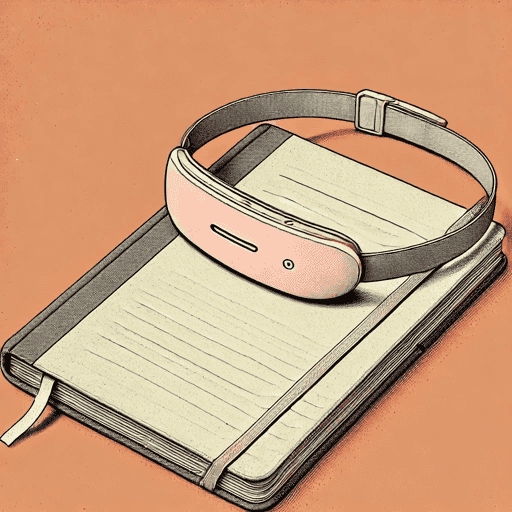
Sara’s dream journal is a powerful symbol of selfhood, narrative control, and resistance to surveillance. Unlike the Dreamsaver device, which collects and commodifies dreams for institutional gain, Sara’s journal allows her to reflect on her unconscious in private, on her own terms. It embodies the tension between interiority and external control, underscoring The Ethics of Surveillance and the Importance of Personal Privacy. Although her dreams are technically accessible to the system, the journal becomes a way for her to reclaim authorship over what her dreams mean—not just to others, but to herself. As the journal grows, it becomes more than just a record of dreams; it is a record of her identity. Hinton’s seizure of the notebook and refusal to return it without strings attached dramatizes how power structures demand emotional transparency without consent, and how that forced intimacy becomes a form of dehumanization. When Sara eventually refuses to trade labor for the journal’s return, it marks a turning point in her evolution: She chooses dignity over recovery of self, knowing that what the journal symbolizes—her ability to make meaning—is something she now possesses without needing to prove it. Like dreams themselves, the journal resists simplification, commodification, and algorithmic certainty. It is messy, sacred, and hers.

Unlock the meaning behind every key symbol & motif
See how recurring imagery, objects, and ideas shape the narrative.
- Explore how the author builds meaning through symbolism
- Understand what symbols & motifs represent in the text
- Connect recurring ideas to themes, characters, and events