The Family Upstairs
The Family Upstairs
A modern alternative to SparkNotes and CliffsNotes, SuperSummary offers high-quality Study Guides with detailed chapter summaries and analysis of major themes, characters, and more.
Summaries & Analyses
Plot Summary
Chapter Summaries & Analyses
Prologue-Part 1, Chapter 5
Part 1, Chapters 6-10
Part 1, Chapters 11-15
Part 1, Chapters 16-20
Part 1, Chapters 21-25
Part 1, Chapters 26-30
Parts 1-2, Chapters 31-35
Part 2, Chapters 36-40
Part 2, Chapters 41-45
Parts 2-3, Chapters 46-50
Part 3, Chapters 51-55
Part 3, Chapters 56-60
Part 3, Chapters 61-65
Part 4, Chapters 66-69
Character List
NEWCharacter Analysis
Themes
Symbols & Motifs
Important Quotes
Essay Topics
Book Club Questions
Quizzes
NEWReading Tools
Book Club Questions
General Impressions
Content Warning: This section of the guide contains discussions of mental illness.
Gather initial thoughts and broad opinions about the book.
1. The novel alternates between past and present timelines, revealing information gradually. How effective was this structure in building suspense? Did you find yourself more invested in one timeline over the other? Did this structure enhance or detract from your reading experience?
2. How did your perception of Henry as a narrator change throughout the novel? At what point did you begin to question his reliability, and what specific moments made you doubt his version of events?
3. The novel explores how people can fall under the influence of charismatic figures like David. What aspects of the Lamb family's situation made them particularly vulnerable to manipulation? What warning signs did you notice?
Personal Reflection and Connection
Encourage readers to connect the book’s themes and characters with their personal experiences.
1. Throughout the novel, characters make difficult choices to protect themselves or their loved ones. Have you ever been in a situation where you had to choose between two difficult options? How did you handle it?
2. Libby discovers that her identity isn't exactly what she thought it was. Have you ever had an experience that fundamentally changed how you view yourself or your family history? How did you respond?
3. The novel explores the ways in which trauma can affect people long after the traumatic events have ended. How do your own past experiences shape your present actions and relationships?
4. The characters often rationalize their actions based on their circumstances. When do difficult circumstances justify extreme actions? Where would you draw the line?
Societal and Cultural Context
Examine the book’s relevance to societal issues, historical events, or cultural themes.
1. How does the novel use the Lamb family's descent from affluence to poverty in order to deliver a critique on issues of wealth, class, and privilege?
2. The story touches on themes such as alternative lifestyles and cults. What does the novel suggest about people’s reasons for being drawn to extreme beliefs or lifestyle changes?
3. How does the novel explore society's expectations about family structures and parental responsibilities?
Literary Analysis
Dive into the book’s structure, characters, themes, and symbolism.
1. Examine the symbolism of the herb garden throughout the novel. How does it represent both healing and harm?
2. Consider the roles that names and identity play in the novel. How do the characters' relationships with their names reflect their sense of self?
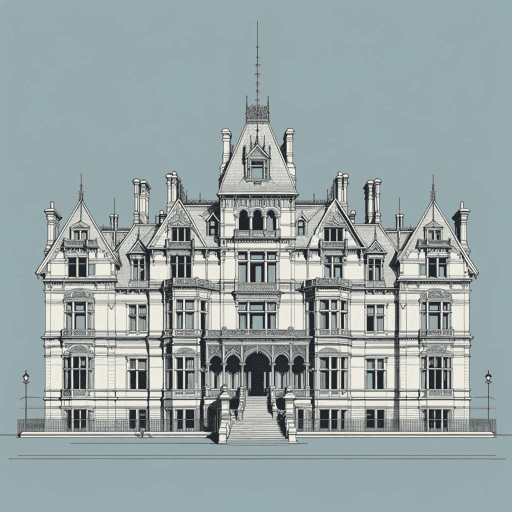
3. How does the author use the Chelsea mansion itself as a character? What does the house represent to different people in the novel?
4. Analyze the parallel mother-child relationships in the novel: Lucy and Libby, Lucy and her younger children, and Martina with Henry and Lucy. What common patterns emerge?
Creative Engagement
Encourage imaginative and creative connections to the book.
1. Write an additional chapter that is set five years after the novel's conclusion. What would have happened to the main characters during this time span?
2. Imagine that you are creating a psychological profile of Henry based on his actions and narration. What would be your key observations and concerns?
3. If you were adapting this novel for television, which scenes would you consider most crucial to include, and how would you handle the dual timeline structure?

Get in-depth, chapter-by-chapter summaries and analysis from our literary experts.
- Grasp challenging concepts with clear, comprehensive explanations
- Revisit key plot points and ideas without rereading the book
- Share impressive insights in classes and book clubs