The Fifth Child
48 pages • 1-hour read
Doris LessingThe Fifth Child
A modern alternative to SparkNotes and CliffsNotes, SuperSummary offers high-quality Study Guides with detailed chapter summaries and analysis of major themes, characters, and more.
Summary and Study Guide
Overview
The Fifth Child is a novella by British writer Doris Lessing, recipient of the 2007 Nobel Prize for Literature. First published in the UK in 1988, the work blends domestic realism and gothic horror in an unsettling portrait of Harriet and David Lovatt, a couple with old-fashioned values whose lives are upended by the birth of their fifth child, Ben. Aggressive, unusually strong, and non-communicative, Ben does not conform to the Lovatts’ expectations of a “normal” or even human child. The novella explores Ambivalence About Motherhood and Female Self-Sacrifice, Exposing the Myth of the Ideal Family, and The Social Construction of Normality and Otherness. The sequel, Ben, in the World, was published in 2000 and follows Ben into adulthood.
This guide refers to the May 1989 Vintage International Kindle edition.
Content Warning: The source material and guide feature depictions of child abuse, bullying, animal cruelty and death, rape, pregnancy termination, ableism, and racism.
Plot Summary
Harriet Walker, 24, and David Lovatt, 30, meet at a crowded office party that they both disdain for its noise and gaudiness. To their co-workers, Harriet and David are stubborn conservatives in the era of London’s 1960s counterculture. Harriet is working in sales to bide her time before marriage, and David is an architect and is seeking a wife who will prioritize a family he can protect. The two fall in love at first sight, marry, and quickly start their life of domestic bliss by buying a large Victorian home that they hope to fill with as many as 10 children. Despite Harriet’s hesitation and their plan for her to work for two more years before starting a family, she becomes pregnant on their first day in their new home.
Between 1966 and 1973, Harriet gives birth to four children: Luke, Helen, Jane, and Paul. Harriet’s widowed mother, Dorothy, and David’s divorced parents disapprove of their rapidly growing family but help raise the children and provide financial support, respectively. The couple hosts large holiday gatherings with their extended families, and the joyous occasions give Harriet and David a sense that they have proved their critics wrong.
Despite their plan to wait, Harriet becomes unexpectedly pregnant with their fifth child. Unlike the others, this pregnancy is alarmingly painful, and Harriet fears that there may be something unusual about the fetus. Dr. Brett assures her that she is physically healthy, so Harriet self-medicates for the pain and compares her treatments to subduing an enemy.
After she gives birth to a boy they name Ben, the couple is dismayed by his physical features and behaviors. Ben has hunching shoulders and yellow-green eyes, he is unusually strong and combative, and he does not engage with those around him. Dr. Brett compares him to a wrestler. Harriet variably refers to the infant as a “troll,” “goblin,” “Neanderthal,” “brute,” and “alien.” At the holiday gatherings, relatives find Ben off-putting and avoid him, and Harriet feels their condemnation for producing this child.
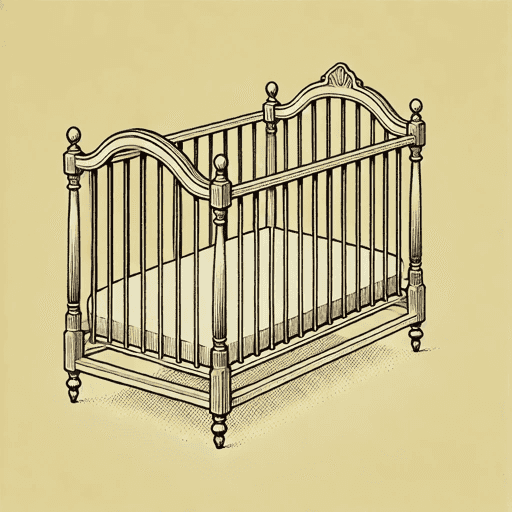
Ben becomes increasingly violent and disruptive as he gets older. He rejects attempts to cuddle or teach him, and he shows no affection. When he is six months old, he sprains his brother’s arm, and when he is one, he kills a dog and a cat. Bars are placed over his windows and bedroom door. He spends most of his time isolated in his room but seems indifferent to his solitude. David avoids touching Ben, and Ben’s siblings fear and resent him. Harriet alternates between secretly wishing to be rid of the child and devoting all her energy to integrating Ben into the family.
When Ben is three, the family’s guests witness him menacing a dog and insist that he be placed in an institution. Harriet reluctantly agrees, and David takes over the necessary arrangements. With Ben gone, the family resumes their happy routines. Overcome with guilt and sorrow, Harriet visits Ben against everyone’s wishes and discovers him restrained and unconscious in a facility where numerous children have been abandoned for their physical and behavioral differences. Knowing that Ben will die in this place, she brings him home. David and the other children attempt to adapt to his return, but they all feel that Harriet has chosen Ben over them.
Ben gradually spends more time with his siblings and mimics their behaviors to fit in. Harriet hires a young man named John to take care of Ben full-time, and Ben finds acceptance in outings with John and John’s group of unemployed friends. With Ben out of the house from morning until night, the family resumes their routines, but the other children lock their bedroom doors at night. The siblings find excuses to spend less time at home, and the three oldest eventually move away to live with their grandparents. Paul remains at home, resenting Harriet’s attention to Ben, and develops behavioral issues. David works long hours and is also rarely home. He rejects Harriet’s belief that Ben is a punishment for their hubris.
Ben enrolls in primary school and has an incident where he bites a student and breaks her arm. Harriet increasingly believes that her child is not human but a “throwback” to an ancient species that passed their genes to human ancestors. To her exasperation, the headmistress and a specialist regard him as just “hyperactive.” When Ben starts secondary school, he falls in with a group of truant boys and becomes their leader. They take over the house, helping themselves to food, watching violent television programs, and sleeping in the empty rooms. Harriet suspects them of criminal activities and intuits that one day, Ben will leave.
Throughout the novella, Harriet wonders what Ben is thinking—how he perceives her, himself, and his upbringing—and is left with no answers. In the final scenes, Harriet watches Ben observing his friends and wonders if her son will end up in prison or perhaps examined by an anthropologist who recognizes his kind. She imagines spotting Ben on television, out in the world, searching for someone like himself.

Unlock all 48 pages of this Study Guide
Get in-depth, chapter-by-chapter summaries and analysis from our literary experts.
- Grasp challenging concepts with clear, comprehensive explanations
- Revisit key plot points and ideas without rereading the book
- Share impressive insights in classes and book clubs