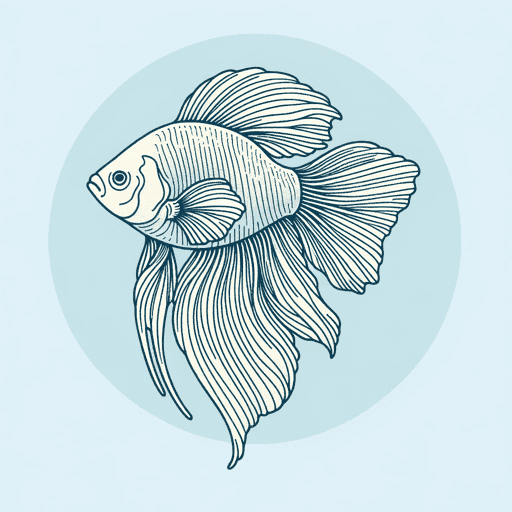
The Fish
The Fish
A modern alternative to SparkNotes and CliffsNotes, SuperSummary offers high-quality Study Guides with detailed chapter summaries and analysis of major themes, characters, and more.
Further Reading & Resources
Related Poems
“The Moose” by Elizabeth Bishop (1976)
As in “The Fish,” the animal world suddenly intersects with the human world in this Bishop poem from much later in her career. “The Moose” paints a memorable visual and auditory picture of passengers on a bus and the moment of wonder that interrupts their journey.
“The Paper Nautilus” by Marianne Moore (1941)
A longtime mentor and friend of Bishop, Moore’s poem, published in the first decade of their friendship, showcases her intelligence and skill as a poet. Greatly influential on Bishop’s poetry, Moore’s close studies of the natural world often weave in strands from science, history, and literature—in this case, references to the Classical world.
“Skunk Hour” by Robert Lowell (1956)
Lowell’s poem “Skunk Hour” is dedicated to Elizabeth Bishop. It demonstrates Lowell starting to turn toward away from an adherence to formal structures and rhythm, and towards what became known as Confessional poetry, a mode that mined the personal life and emotions of the poet, often focusing on personal crises and past trauma. While Bishop greatly respected Lowell as a poet and had a warm personal relationship with him, she was adamantly against this new mode, sometimes chiding Lowell for invading the privacy of those close to him in his work.
Further Literary Resources
Michael Collier on Elizabeth Bishop’s “The Fish”
Poet Michael Collier gives an insightful response to the Bishop poem, reflecting on the structure and technique of the poem, as well as to her work as a whole.
“The Work!: A Conversation with Elizabeth Bishop"
The literary magazine Ploughshares interviews Elizabeth Bishop in this wide-ranging conversation with George Starbuck that took place in 1977 and covers the poet’s working methods, influences, and inspirations.The interview also delves into her painting and translations, among many other topics. Bishop did not grant many interviews in her lifetime, but the ones that she did give are a fascinating insight into a notoriously private poet.
Elizabeth Bishop: A Miracle for Breakfast by Megan Marshall (2017)
In this 2017 biography, Pulitzer Prize winning author Megan Marshall draws from undiscovered letters to reveal significant moments from Bishop’s life and relationships throughout her life. Marshall, a former student of the poet, shows how the private life of Bishop was entwined with her poetry, and how Bishop achieved greatness despite her traumatic childhood.
Listen to Poem
Listen to Elizabeth Bishop read her poem “The Fish.”
Elizabeth Bishop gives a reading of her poem “The Fish.”

Get in-depth, chapter-by-chapter summaries and analysis from our literary experts.
- Grasp challenging concepts with clear, comprehensive explanations
- Revisit key plot points and ideas without rereading the book
- Share impressive insights in classes and book clubs