The Nurse's Secret
The Nurse's Secret
A modern alternative to SparkNotes and CliffsNotes, SuperSummary offers high-quality Study Guides with detailed chapter summaries and analysis of major themes, characters, and more.
Summaries & Analyses
Quizzes
NEWReading Tools
Chapters 1-10Chapter Summaries & Analyses
Content Warning: This section of the guide includes a discussion of death, sexual harassment, substance use, and addiction.
Chapter 1 Summary
On a winter day in January 1883, Una Kelly works as a pickpocket at Grand Central Depot in New York City. She watches passengers disembark from newly arrived trains, dismissing businessmen and coach-class travelers as unsuitable marks. She targets a well-dressed man from the Midwest who appears new to the city. Una deliberately collides with him, spilling her travel case. As the flustered man helps gather her belongings—including a silk chemise that embarrasses him—Una steals his silver cigarette case engraved with the initials JWC, along with some money. She lies about travel plans and then retreats to the waiting room.
As Una examines the stolen case, she reflects on her rules as a thief: Never linger, never return to the same location, and never steal too much. Hungry, she prospects the depot basement for more marks. On her way, she witnesses a young boy attempting to pickpocket a well-dressed man’s gold watch. When the boy is caught, Una intervenes, pretending to be his aunt and convincing the man to release him. Outside, she scolds the boy for his sloppiness and offers advice on better thieving techniques, including working the elevated trains and starting with smaller scores. As she gives him a dime, he tries to pick her pocket.
The man from whom the boy stole the watch appears outside with two police officers. Una discovers the boy has stolen the watch again despite her warning. She takes back her dime and tells him how to escape, but he runs in the wrong direction. Una blends with two wealthy women to avoid police notice, but a bystander identifies her. A large police officer gives chase, and Una runs.
Chapter 2 Summary
Realizing she cannot outrun the pursuing officer, Una decides to outsmart him. She navigates to an alleyway off Madison Avenue that leads to a small privy yard. Una hides behind trash bins while the officer searches the privies and exits through the far passage. Once he leaves, Una quickly transforms her appearance. She turns her coat inside out to reveal a patched, ratty side, exchanges her hat for a headscarf, adds an apron and fingerless gloves, and smears soot on her cheek. She straps her travel case to her back to create a stooped silhouette. When the officer returns, she affects a German accent and deliberately misleads him. She finds a gin bottle in the trash, offers it to the officer, then drinks from it herself while questioning him about the woman he seeks. After inventing a story about a woman with a mole on her nose fleeing in the opposite direction, Una watches the officer run off, then exits through the other end of the alley.
Chapter 3 Summary
Una maintains her disguise while walking through the Lower East Side toward Marm Blei’s shop. She reflects on her first rule of survival—look out for yourself—contrasting it with her mother’s altruism, which she believes led to her death. She passes Officer O’Malley, who is on Marm Blei’s payroll, and he tips his hat to her.
Una spots Barney Harris, a reporter, awkwardly loitering near a lamppost. She approaches him because she owes him for recently providing a false alibi for her. While teasing him about standing out, she steals his silver tie pin. Oblivious, Barney asks about the recent murder of Big-nosed Joe, who was strangled but not robbed, contradicting the police’s notion that it was a gambling dispute. He suggests Joe’s strangulation is connected to the murder of Martha Ann, a sex worker also found strangled, indicating a possible serial killer. Una dismisses this theory and shows Barney that she stole his pin, which he takes back.
When Barney discards his magazine, Una retrieves it, joking she will use it as privy paper. As she walks away, she pickpockets his pin again. Barney calls after her to be careful.
Chapter 4 Summary
Una walks to Marm Blei’s shop. She gives a nickel to a young street sweeper, defying her late mother’s advice never to give money to exploited children. She enters Blei Dry Goods through the back door where Marm Blei, a large woman who has been Una’s mentor since she was 11, greets her affectionately as “sheifale,” meaning lamb (22). She tests Una’s appraisal skills with a pearl-studded brooch. Una correctly identifies that half the pearls are fake, the clasp is cheap non-silver, and the piece itself may have been doctored by its original craftsman.
Then, Marm Blei confronts Una about the incident at the depot. Una presents her day’s stolen goods, including the silver cigarette case and several bills, but secretly withholds Barney’s tie pin. Marm Blei examines and sorts the items, then gives Una less payment than she hoped for. At Marm Blei’s direction, Una stows the box containing the brooch and cigarette case beneath a loose floorboard. As punishment for drawing police attention, Marm Blei assigns Una to work in the back room the next day, citing a Yiddish proverb about caution.
Chapter 5 Summary
Una walks home to her tenement flat, resenting her squalid living conditions compared to Marm Blei’s luxury. She recalls meeting Marm Blei at age 11, shortly after becoming homeless. Marm Blei had saved her from arrest for stealing an apple and offered to teach her how to be a smart thief. Immediately after, Una snatched Marm Blei’s purse, an act of audacity that impressed the older woman.
In her cold, dark flat, Una decides to defy Marm Blei’s implicit order to lie low. Before heading out, she retrieves a hidden tin box containing her secret savings, her mother’s ivory cameo necklace, and adds Barney’s pin along with a portion of her earnings. At a local grocer, Una encounters her roommate, Deidre, a beautiful but unsophisticated fellow thief. They get drinks at a bar, and then Una gambles at pins in the alley and loses money. At a dance hall on Church Street, Una drinks whiskey and watches as Deidre whirls with various partners. Deidre teases Una about Barney, but Una dismisses the idea of an honest life, reflecting on the recent murders.
A wealthy theatergoer asks Una to dance, and she notices his ruby cuff links, which she successfully steals while fending off his advances. She creates a distraction and escapes. Aware the cuff links are too hot to fence through Marm Blei who would not give her much, Una decides to sell them to a rival fence, Traveling Mike Sheeny (34).
Chapter 6 Summary
Una spends the next day resentfully working in Marm Blei’s back room, buffing stolen metalware. She fantasizes about the money she will make from Traveling Mike. When Marm Blei releases her, Una lies about going to the market for eggs.
Una reflects on her rule to look out for herself as she navigates the streets. A hospital ambulance splashes her with mud. She recalls her life after her mother’s death—her father’s alcohol addiction, their eviction, and her first days on the streets as a child. She remembers a final encounter with her father, giving him money as he stumbled from an opium den.
At her flat, Una retrieves the ruby cuff links from her tin box and pockets them along with Barney’s pin and her brass knuckles. Deidre enters, complaining about chores. Una gives her pages from Barney’s magazine to use as privy paper while maintaining her lie about buying eggs. Her roommates tease her about meeting Barney, and she lets them believe it.
Una goes to a saloon to meet Traveling Mike Sheeny, (42) a nomadic fence who deals in small, valuable items. She spots him in a corner and arranges a meeting by whispering from an adjacent table. He warns her about Marm Blei’s reaction to disloyalty but agrees to meet her in a nearby alley in 10 minutes. After he leaves, Una finishes her drink and fends off unwanted advances. As she reaches the alley entrance, a hand grabs her.
Chapter 7 Summary
Una discovers her assailant is Deidre, who followed her from their flat. Deidre reveals she knows about the plan to meet Traveling Mike and demands 50% of the profits for her silence. Una reluctantly agrees.
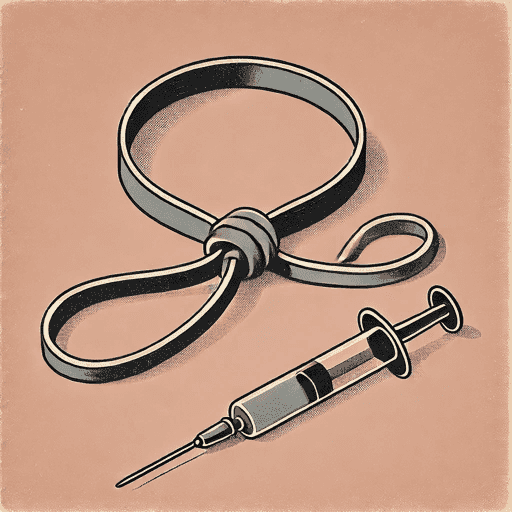
They enter a dark rear yard off Pearl Street to meet Traveling Mike. When Deidre strikes a match, Una glimpses a man crouched over Traveling Mike with a belt or rope around his neck. Deidre screams and drops the match, plunging them into darkness. Una senses the killer moving toward them, but when she lights another match, Traveling Mike lies dead and alone, his eyes red and bloodshot, spit dribbling from his lips. His neck is raw and red, and the weapon is gone. Boot prints trail out the far passage.
Una urges Deidre to flee before police arrive, but then a young officer blocks their path. As she dashes toward the far exit, Una considers returning for Traveling Mike’s case. Then, she crashes into a second, larger officer who grabs her. Una stomps on his toes, but his grip holds firm.
Chapter 8 Summary
At the police station, Una gives the false name Dorothea Davidson and affects a Southern accent. Officer Simms empties her pockets but withholds the ruby cuff links he confiscated during his groping search in the alley, when Una vomited on him in response to his assault. Simms charges her with disturbing the peace, vagrancy, and theft. Una protests, claiming the silver pin belonged to her late husband. The sergeant, bored and unimpressed, orders Simms to release her and return her belongings. However, as Una is about to leave, there is a report of a murder where she was found. Simms apprehends her again, and she is locked in a basement cell. Deidre is placed in a separate cell nearby.
A detective interrogates them separately, suggesting Una and Deidre killed Traveling Mike for the contents of his case, which held over $500 in stolen goods. The detective offers Una a deal: Blame Deidre for the murder and walk free, but she refuses. The detective’s warnings about Blackwell’s Island workhouse—where Una once spent 10 miserable days—cause her to panic and call him back, ready to accept the deal.
Chapter 9 Summary
Following her first rule, look out for yourself, Una prepares to betray Deidre. However, the detective returns with the ruby cuff links, claiming Simms found them in her pocket. Furthermore, Deidre has already implicated Una. Deidre is released from her cell and tells Una she would have done the same before leaving.
Devastated, Una gives her version of events. She describes briefly seeing a shadowy man in a dark suit and cap with glinting buttons crouched near Traveling Mike before he vanished. The detective mocks her vague description. Una realizes the strangulation method connects this murder to those of Big-nosed Joe and Martha Ann, suggesting a serial killer is at work. She tells the detective this theory, but he laughs and dismisses her claims, telling her to save her stories for the judge.
Chapter 10 Summary
Una spends a sleepless night dreading a sentence to Blackwell’s Island, recalling the horrific conditions during her stay there years ago. She waits through the next day for Marm Blei to arrive with lawyers. When the woman arrives, she refuses to help, condemning Una as disloyal. Devastated and furious, Una vows revenge once she escapes.
The next morning, Officer Simms cuffs her hands in front for transport. Then, she realizes Barney’s tie pin could pick handcuff locks. As the officer closes the wagon door, Una jams it with her brass knuckles. When Simms opens the door to investigate, she kicks him in the face and leaps from the wagon.
Una flees, leading police on a chase despite her cramping leg and handcuffed wrists. She recognizes the Gas House District and its smog-choked streets. Correctly deducing police will search nearby Tompkins Square, she chooses an alternate hiding place—a dilapidated Catholic cemetery on 11th Street. Despite childhood superstitions about disturbing the dead, she hides behind a large tombstone and retrieves Barney’s pin, preparing to pick her handcuff locks.
Chapters 1-10 Analysis
The opening chapters immediately establish the theme of The Performance of Social Class and Identity. In the stratified society of 1883 New York, Una Kelly’s survival depends on her ability to manipulate perception and assume different roles. Her initial theft at Grand Central is a staged collision, a calculated presentation of a flustered traveler. This is followed by her adoption of the role of an aunt to save a young thief, and then a rapid transformation into an elderly German ragpicker to elude police. Una can transform from a “well-heeled traveler to gnarled rag-picker with time to spare” (11), highlighting the superficiality of social signifiers. These performances are not mere disguises; they are survival mechanisms that rely on the city’s class and ethnic prejudices. By embodying these roles, Una exploits the assumptions of others, turning their biases into her shield and thus challenging the notion of a fixed identity molding herself into whatever persona survival requires.
The narrative uses the concepts of disguise and thievery to explore The Intersection of Deception and Authenticity. The reversible coat, with its respectable lining and patchwork exterior, is a symbol of Una’s dual existence and her ability to traverse social boundaries. The items she steals, however, are markers of other people’s identities. The silver cigarette case bears its owner’s initials, the ruby cuff links signify wealth, and Barney Harris’s tie pin represents an educated, professional class. Una’s skill lies not just in theft but in appraisal—reading the meaning encoded in these objects. Her decision to withhold Barney’s pin from Marm Blei suggests it holds a non-monetary value for her, perhaps as a token of a genuine human connection with Barney or a memento from a world she can access through deception. In Una’s world, deception is not presented as the opposite of authenticity but as an honest expression of her struggle to survive, and, as a result, the two are intertwined. For Una to survive in a world dictated by social structures—represented by the objects she steals—she must navigate line between the roles she plays and her genuine self.
Additionally, Una operates according to a personal code that reveals a conflict between self-preservation and a capacity for altruism; this struggle ultimately foreshadows the theme Finding Redemption Through Caregiving. Her guiding principle that the “first rule of survival on these streets was to keep your head down and look out for yourself” (14) is a direct reaction to her mother’s self-sacrificing nature, which Una views as a fatal weakness. This code represents an effort to impose order on a chaotic world and defend against past trauma. Yet, her actions frequently contradict her stated philosophy. She breaks her own rules by intervening to help the young thief, an altruistic act that directly precipitates the police chase. This tension between her cynical code and her instinctual compassion defines her and establishes a foundation for her character arc, foreshadowing her path toward healing through the care of others.
Through all of this, 1880s New York City functions as more than just the setting, for it is an antagonist whose geography dictates the characters’ fates. Imagery establishes both the squalor and the danger of Una’s world: the soot-streaked train station, the stench of waste in the privy yard, and the grime of the tenement streets. The physical layout of the environment—its alleys, rooftops, and crowded thoroughfares—provides the architecture for both crime and escape. Una’s survival hinges on her intimate knowledge of this urban landscape. The city’s institutions, particularly the police, are portrayed as another corrupt element within this ecosystem. Officer Simms’s theft of the cuff links and the detective’s disinterest in the truth underscore a system where justice is arbitrary and power is abused. This depiction frames Una’s struggle as a battle against formidable environmental and social forces.
Furthermore, the narrative structure of these chapters presents a systematic removal of Una’s alliances and support systems to propel her into the novel’s central conflict. The plot accelerates from a near-capture to a witnessed murder, culminating in a series of betrayals. Her roommate Deidre frames her, Officer Simms fabricates evidence against her, and her mentor Marm Blei abandons her, delivering the final dismissal: “You’re a smart girl, Una… You’ll figure something out” (64). This sequence dismantles Una’s world, leaving her a fugitive with no resources or allies. Marm Blei’s abandonment severs Una’s connection to her past and forces her to rely solely on her own ingenuity, which ultimately facilitates her transformation, freeing her from the criminal network that once defined her.

Get in-depth, chapter-by-chapter summaries and analysis from our literary experts.
- Grasp challenging concepts with clear, comprehensive explanations
- Revisit key plot points and ideas without rereading the book
- Share impressive insights in classes and book clubs