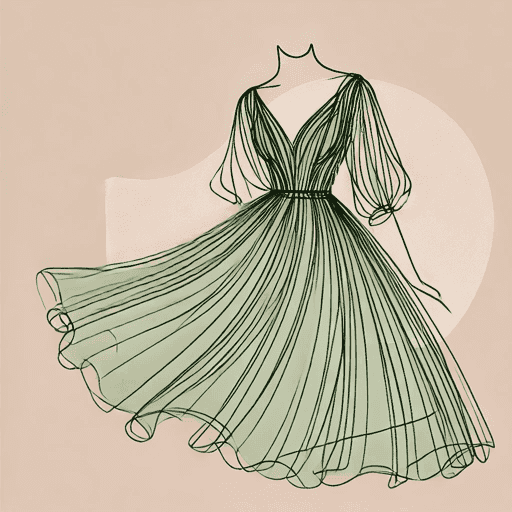
The Wedding People
62 pages • 2-hour read
Alison EspachThe Wedding People
A modern alternative to SparkNotes and CliffsNotes, SuperSummary offers high-quality Study Guides with detailed chapter summaries and analysis of major themes, characters, and more.
Background
Geographical Context: Newport, Rhode Island
Newport, Rhode Island, is a coastal city known for its wealthy history and visually appealing scenery. Situated on Aquidneck Island, Newport offers a picturesque setting with scenic harbor views and sandy beaches. Water sports like sailing, surfing, whale watching, and kayaking add to Newport’s bustling tourism industry. One of Newport’s defining characteristics is its impressive collection of historic mansions. Finance and industry leaders flocked to Newport during the Gilded Age in the late 19th century. At a time when massive fortunes were amassed quickly, and a new wealthy class arose, people built lavish “summer cottages” in the area. Estates like The Breakers, Marble House, The Elms, and Rosecliff were built inspired by European palaces (“History of Newport and the Mansions.” The Preservation Society of Newport County). Constructed at the apex of the Gilded Age, these mansions reflected the owners’ obsession with social status and the European aristocracy. Millionaires in the area attempted to outdo each other at lavish balls, banquets, carriage parades, concerts, and sporting events. (“Newport and the Gilded Age.” The Preservation Society of Newport County). Today, the estates are remnants of the Gilded Age, highlighting the grandeur of architecture and opulence of America’s elite during that time. Espach highlights these historic properties in The Wedding People, drawing parallels between the lavish spending of iconic Newport families, such as the Vanderbilts, and the extravagant wedding practices of today‘s upper class. Espach explores the worth, value, and excess associated with the mansions and costly weddings through the text’s major and minor characters.
Newport’s literary history is also notable; the location serves as a muse and residence for prominent authors like Clement C. Moore and Thornton Wilder. Edith Wharton, celebrated for her detailed portrayals of upper-class society in early 20th-century America (e.g., The Age of Innocence), spent significant time in Newport, where the city‘s grand settings influenced her writing. Espach highlights Wharton’s historic property, Land’s End, as Phoebe realizes that she can no longer maintain a facade, as she has done for her entire life. Similarly, Wharton rejected the decorative styles typical of the Gilded Age—cheap gold veneer coverings layered in excess with the pretense of exaggerating wealth. Wharton disliked the artificial aspects of the gilding, just as Phoebe can no longer stand the false persona she maintains for the comfort of those close to her. Both women strive for authenticity and honesty.
Genre Context: Contemporary Fiction and the COVID-19 Pandemic
As a global crisis that affected nearly every aspect of daily life, the COVID-19 pandemic inspired a wave of literary responses that explore the intersection of personal and collective experiences under unprecedented stress. While some contemporary fiction novels, such as Jodi Picoult‘s Wish You Were Here and Elizabeth Strout‘s Lucy by the Sea, are set against the backdrop of the pandemic‘s onset and explore its immediate impact, others, like The Wedding People, delve into the lingering aftermath and its enduring effects.
One significant impact of COVID-19 on contemporary fiction is the shift toward exploring themes of isolation and resilience. Many novels now delve into the psychological and emotional effects of lockdowns and social distancing, capturing the sense of disconnection and solitude individuals experienced. Characters in these works often grapple with themes of loneliness, mental health struggles, and the challenge of maintaining relationships in a physically distant world. For example, Espach captures the impact of COVID-19 on daily life and mental health in the introduction of Phoebe’s character:
This was mid-lockdown, when she only left the house for gin and toilet paper and taught her virtual classes in the same black blouse every day because what else were people supposed to wear? By the time lockdown was over, she couldn’t remember (3).
This focus reflects a broader societal concern with how people adapt to and cope with extreme changes in their routines and environments. Phoebe’s challenges that were intensified by the pandemic are described in detail; additionally, nearly every other character uses the pandemic as a conversation starter, detailing their unique struggles, adaptations, and revelations. Collectively, these detailed experiences create a vivid picture of how the pandemic affected both personal and social dynamics.
Moreover, the pandemic has prompted a reevaluation of the concept of community and solidarity. Fictional narratives have increasingly highlighted the importance of human connection and collective effort in overcoming crises. Stories often center on characters who find strength in their communities or discover new forms of solidarity in the face of adversity. This reflects a growing recognition of the role of empathy and mutual support during times of widespread uncertainty. The pandemic causes Phoebe to lose her supportive network at the worst possible time. When Lila, Gary, and their wedding guests unexpectedly become Phoebe’s surrogate support network, it renews her sense of self. This underscores the vital importance of community and human connection.

Unlock all 62 pages of this Study Guide
Get in-depth, chapter-by-chapter summaries and analysis from our literary experts.
- Grasp challenging concepts with clear, comprehensive explanations
- Revisit key plot points and ideas without rereading the book
- Share impressive insights in classes and book clubs