This Is Not About Us: Fiction
52 pages • 1-hour read
Allegra GoodmanThis Is Not About Us: Fiction
A modern alternative to SparkNotes and CliffsNotes, SuperSummary offers high-quality Study Guides with detailed chapter summaries and analysis of major themes, characters, and more.
Symbols & Motifs
Content Warning: This section of the novel includes discussion of death and mental illness.
Apple Cake
References to the apple cake pervade the novel, and this motif comes to represent the complexities of family relationships, traditions, and tensions. The motif first appears in the novel’s opening chapter, “Apple Cake,” when Sylvia uses her sister Helen’s recipe to bake an apple cake shortly before to her other sister Jeanne’s death. This well-meaning gesture incites Helen’s rage; Helen takes offense because she allegedly gave Sylvia the recipe that Sylvia is now passing off as her own. Sylvia is using the cake to comfort their family during the impending loss of a loved one, but Helen feels that Sylvia is symbolically co-opting both her recipe and her position in the family. Her anger over the apple cake incident lasts for years to come and is never resolved, and this toxic grudge demonstrates how a seemingly minor disagreement or misunderstanding can threaten a family’s collective stability.
Throughout the novel, the characters repeatedly allude to the cake, referencing it with fear and befuddled wonder. No one besides Sylvia and Helen fully understand the sisters’ argument, but they do understand that the feud has led to lasting resentment and bitterness. Even so, Sylvia continues to use the recipe throughout the novel, and her actions suggest that she remains defensive of her role in the family despite how desperately she wants Helen to forgive her. In the end, she clings to the self-appointed role of the matriarchal caretaker, and the apple cake always has the effect she desires: Her relatives gobble it up and exclaim over how delicious it is.
Violin
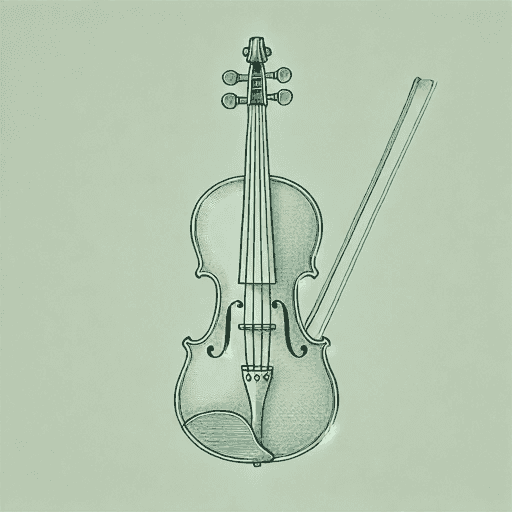
In many ways, the violin becomes a symbol of honoring the continuity of positive family traditions. When Jeanne dies, she leaves her violin to her granddaughter Phoebe, a talented violinist. Jeanne was a talented musician and music teacher, and because everyone in the family understands her passion for the instrument, they respect the significance of passing it to Phoebe. However, Phoebe leaves the instrument in her closet at her parents’ house for months after her grandmother’s death, barely remembering its existence. Once she remembers it, the violin takes on a life of its own in the text, becoming nearly sentient in Phoebe’s perception. She “sense[s] it suffering. Jeanne’s gift seemed to her a wounded thing. Her closet, her room, her house could not contain the blood gushing from that violin. Blood soaked the carpet, stained the walls” (55). This imagery conveys the emotional weight that such an inheritance carries.
Phoebe is initially wary of the instrument because of its deep meaning, but she soon rediscovers her truest self by playing her late grandmother’s violin and altering her entire lifestyle to honor her own deep passion for music. As she starts busking, this new ritual helps her to remember who she is and what she cares about, and she is ultimately inspired to drop out of school and become a traveling musician full-time, thereby balancing her personal autonomy with her family legacy. Later, when Helen pays a large sum of money to repair the violin for Phoebe, she is attempting to mend her family’s history and to honor her descendants’ inheritance, no matter how painful it might be for her to do so.
Glasses
In “New Frames,” Richard’s new glasses represent his urge to embrace a new era of self-exploration and personal autonomy. When Debra first divorces Richard, Richard feels unmoored and cannot define himself outside of the context of his home life with Debra and his daughters. He loses the ability to care for himself, obsessing instead over his job and trying to make amends for allegedly failing the girls for years. However, these efforts are quickly diverted by his excitement over a new relationship with a young woman named Corinne, who inspires him to get new glasses and metaphorically see the world in a new way. Richard becomes energetic and buoyant, and everyone around him responds as if he is more respectable than he ever had been. However, when Richard notices how Debra looks at him while he is wearing the glasses, he decides to remove them and revert to his former behavioral patterns. By abandoning the new glasses, Richard is abandoning his first attempt at redefining himself.
Ballet
Sophie and Lily both participate in a dance studio and study ballet, but the activity means something different to each girl and to their mother, Debra. In “Ambrose,” the stresses of ballet initially intensify Lily’s anxiety. However, under ideal circumstances, she discovers that dance offers her an escape from her otherwise constricting life. Much like her fantasy writing, ballet transports her to another place and time where she feels free to be herself.
Later, in “Nutcracker,” Debra sees ballet as a more traditional version of femininity: one that her own feminist values compel her to reject. She therefore becomes frustrated with her daughters’ investment in the art, resenting the patriarchal overtones of the entire dance scene. However, she also appreciates how enchanted her girls are by their participation in the ballet lessons, so she ultimately silences her opinions and allows her daughters to indulge in this fantasy world.

Unlock the meaning behind every key symbol & motif
See how recurring imagery, objects, and ideas shape the narrative.
- Explore how the author builds meaning through symbolism
- Understand what symbols & motifs represent in the text
- Connect recurring ideas to themes, characters, and events