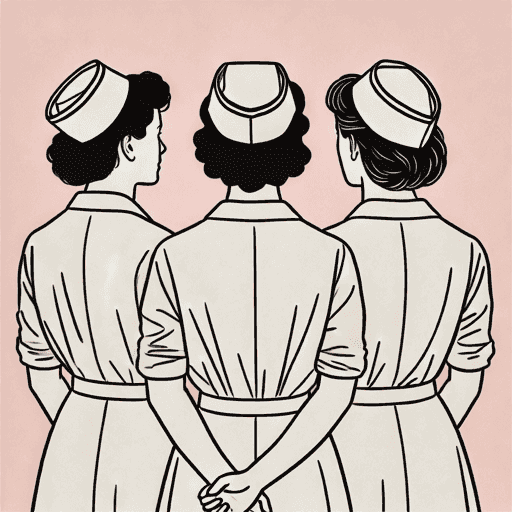
When We Had Wings
63 pages • 2-hour read
Ariel Lawhon, Kristina McMorris, Susan MeissnerWhen We Had Wings
A modern alternative to SparkNotes and CliffsNotes, SuperSummary offers high-quality Study Guides with detailed chapter summaries and analysis of major themes, characters, and more.
Essay Topics
Choose a specific sensory detail (such as sight, sound, or touch) and trace its use as a motif throughout the novel. What themes does it develop, and how does it convey the surreal nature of war?
In what ways does the novel’s structure affect the reading experience and understanding of events? Analyze the effectiveness of this structure in helping develop characterization, plot, and setting.
Focus on an aspect of World War II era history that the novel alludes to but doesn’t directly address (for example, the role of Filipino guerrillas during the war, the immigration of Filipina nurses to the US, the internment of Japanese American or Japanese Canadian citizens). Research this history and its lasting impact.
Review the epigraphs that begin each section of the novel. How do they introduce elements of plot or characterization, and how do they contribute to the novel stylistically and thematically?
Compare and contrast the traits, motivations, and experiences of the novel’s three protagonists. In what ways do they reflect the changing roles of women in society? In what ways do they conform to or subvert the patriarchal norms of the military?
Examine the shadow economy that develops at Santo Tomas Internment Camp. In what ways does this represent the resilience of human nature? What other societal constructs does it represent?
Using a critical lens, evaluate the novel’s representations of motherhood. Consider the role of real historical nurses Maude Davison, Laura Cobb, and “Mama Josie” Nesbit, as well as Penny’s and Lita’s relationships with the children they care for.
Consider the novel’s approach to Japanese military and civilian leadership, exploring the actions of specific leaders, such as Kodaki, Akibo, Konishi, Tsurumi, and Onozaki, as well as the presentation of the military as a whole. Are they archetypal villains, or more complex characters? Explain.
Analyze the novel’s depiction of General MacArthur, his decision to leave the nurses behind, and the publicity they received after returning home. In what ways is the protagonists’ criticism of his leadership justifiable? How does this compare with your own impressions of him and with your understanding of World War II history?
Compare and contrast When We Had Wings with other recent, popular depictions of World War II history in prose or film. What differences do you observe in narrative style, content, perspective, or theme?

Unlock all 63 pages of this Study Guide
Get in-depth, chapter-by-chapter summaries and analysis from our literary experts.
- Grasp challenging concepts with clear, comprehensive explanations
- Revisit key plot points and ideas without rereading the book
- Share impressive insights in classes and book clubs