Yaqui Delgado Wants to Kick Your Ass
Yaqui Delgado Wants to Kick Your Ass
A modern alternative to SparkNotes and CliffsNotes, SuperSummary offers high-quality Study Guides with detailed chapter summaries and analysis of major themes, characters, and more.
Summaries & Analyses
Quizzes
NEWReading Tools
Themes
The Impact of Bullying on Mental Health
Content Warning: This section of the guide includes discussion of bullying, physical abuse, and mental illness.
Targets of bullying experience myriad repercussions of constantly being targeted, many of which affect their mental health. Piddy is no exception as she experiences emotional turmoil, focuses only on survival, and falls into depression and self-doubt. No longer a confident and ambitious young woman, Piddy struggles emotionally since being bullied. When Ms. Shepherd stops her in the hallway, Piddy thinks, “It’s as if she’s talking to someone else. I don’t feel anything like the kid Ms. Shepherd hoped for a few weeks ago. The fact is I’m losing my shine in her eyes” (77). Piddy acknowledges feeling like a different person. A few weeks ago, she possessed a “shine,” with both exemplary academics and happiness. By noting the loss of this, Piddy admits Yaqui’s impact, which causes her to withdraw from things she used to enjoy. This attitude shift is also evident when Piddy argues with her mother. She reflects, “I wish I could eat my ugly words. I’ve never been so mean to her, but now all I want is to make her feel small. I need her company down here at the bottom of this pit” (83). Piddy recognizes the change in herself when she admits to never being this mean before. Her anger is driven by the need to make others “feel small” and defeated like her. Instead of asking for help, Piddy resorts to insulting loved ones. Being at the “bottom of this pit” has pushed Piddy to be angry and withdrawn (83).
As a result, Piddy’s focus centers only on survival, as if she were a wild animal in fight or flight mode. After her brief encounter with Yaqui in Saturday detention, Piddy is only aware of how to stay safe:
I keep looking out the window as I try to do my assignments, daydreaming about all the things I might have said or done that first day Vanesa found me and gave me Yaqui’s message […] But I didn’t do any of that. I took it like a sap, and now I can’t help but feel like I made a mistake. There’s no going back and redoing my rep. All I can do is watch as she closes in (119-20).
Instead of doing work, she fixates on her weaknesses and the ways she contributed to this situation. She calls herself a “sap” and ruminates on her mistake. Her final reflection—that all she can do is wait while Yaqui “closes in”—invokes images of helpless prey, which underscores Piddy’s terror. Medina reinforces this when detention ends, and “dread is building in [her] stomach” because she fears that Yaqui will wait for her outside. So, once she leaves, she begins a “panicked run for home” (123). The emotional toll of the bullying—fear and dread—manifests in a physical reaction. Piddy is in fight or flight mode. In her heightened fear, Piddy runs because survival is all that matters.
Depression and self-loathing also contribute to Piddy’s declining mental health. The day after Vanesa announces that Yaqui wants to fight, Piddy can think of nothing else: “It feels like anchors are weighing down on me. What am I going to do? It’s only a matter of time before I have to face Yaqui and her cronies” (152). Depression often results in lethargy and inaction, and Piddy is no exception, for the anchors represent the weight of dread and helplessness. Despondency fuels her question. She has no idea how to handle the situation, and like that day in detention, she feels like exposed prey. On top of this depression, Piddy views herself negatively. After running away and jumping on the subway, she notices how others keep their distance: “Maybe Ma’s right, after all. I’m a devil of some kind, one of Ms. Shepherd’s monsters, like the Minotaur roaming my labyrinth” (195). By calling herself a “devil” and a monster, Piddy reveals her own self-loathing. The Minotaur was a mythical beast that destroyed almost every man it encountered. By comparing herself to it, Piddy also indicates how lost she is, as she is emotionally adrift. She is depressed and mired in self-hatred due to being the target of Yaqui’s emotional and physical torment.
Community as a Support System
Community often provides a safety net of support even if a person does not realize it. Piddy is the recipient of such care from both friends and a network of strong women. Although Piddy feels friendless and alone, she garners support from both Rob and Joey. Rob constantly serves as her guardian, even when she does not realize it. Early on, he deflects attention from her in English when she does not want to present. Later, when he removes her essay from the bulletin board, Piddy recognizes his compassion: “When I look down, my knees go a little weak, and I’m filled with shame as I pick it up. It’s my essay, folded neatly into a little square […] He must have known and taken it down” (139). In her terror, Piddy is mean to Rob and feels shame now that she realizes he is her ally. He understands the implications of people seeing her monster essay and acts on her behalf. Piddy now knows that she is not alone, which helps her recognize Rob as the anonymous reporter who alerted the school administration to Yaqui’s bullying. In different ways, Joey offers support to Piddy. He keeps her company when she needs it, and although he is angry when he sees her bruises, it is because she feels the need to apologize. Before leaving for Pennsylvania, he offers advice: “Take care of yourself, Toad […] Run if you have to” (227). His words are the spark that ignites her decision to seek a safety transfer to another school. In his friendship, Joey shows her that running away is sometimes necessary and not always a weakness.
A community of women also care for Piddy, including her mother, Lila, Mitzi, and Gloria. When Piddy roams the city and runs into Raúl, Lila’s police officer boyfriend, he says, “Your mother and Lila are worried. They’ve called me twice” (198). Clara and Lila repeatedly call him, which indicates the degree of their concern. Moments later, Piddy also notes that her heart almost breaks. Although she does not want to return home, she feels relief, for this is a turning point. After this, she accepts help because the people who love her the most do not give up on her. Clara demonstrates this by waiting up to talk, and Lila shows her support through advice and encouragement. Mitzi, too, provides strength for Piddy. Despite their tense relationship, Mitzi listens and supports her friend without question and helps her confess everything to her mother. Furthermore, Gloria, whose salon is a hub of female camaraderie, opens her doors late without hesitation. All these acts of love help Piddy realize that she has never been alone but rather has a strong support system. In the end, it is this network of women that helps Piddy advocate for herself.
The Difficulties of Standing Up Against Injustice
Standing up against injustice is no small task, which highlights why Piddy and others struggle to advocate for what is right. Piddy cannot ask for help because she fears being seen as weak. Multiple times, she expresses that speaking out will only bring more trouble because it makes her an even bigger target for Yaqui and her friends. Medina reinforces this notion when Piddy plucks her eyebrows to look fierce. She stares in the mirror and thinks, “Maybe this is the new me I need to find. A girl tough enough to face Yaqui. But if that’s true, why do I still feel afraid?” (152). Piddy alters her appearance because she wants to be tough. However, even she recognizes that changing her appearance does not matter because she is still scared. Implied is Piddy’s ingrained belief that she is weak; instead of asking for help, her solution is to look meaner. Piddy articulates this mentality more explicitly when she visits Mitzi later: “I can’t bring myself to tell Mitzi what’s been going on. It makes me feel like a loser to tell her about Yaqui when her own life is going so great out here” (158). Piddy is so focused on how she might be perceived—as a “loser”—that she cannot ask for assistance. Furthermore, by comparing herself to her friend, Piddy becomes paralyzed instead of reaching out for the aid she needs. Ultimately, her perception of herself as weak is what initially stops her from seeking support and protection.
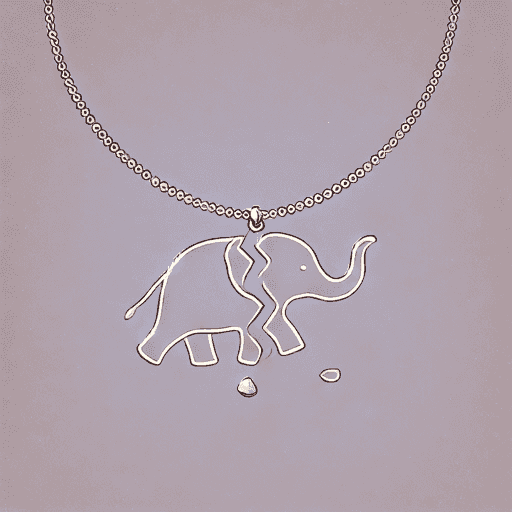
Additionally, the bystander effect inhibits others from stepping in when they witness an injustice. This concept emphasizes that the more witnesses there are to a crime, the less likely it is that anyone will help because the assumption is that someone else will. As a result, people are more likely to act when there are few to no witnesses. In Piddy’s case, no one helps when Yaqui steals her necklace: “I grab for my neck, but it’s too late. When I look, I see Yaqui walking away through the crowd” (71). The crowded hallway indicates that others have seen what has happened, and they are near enough to help. She even yells at Yaqui after the fact, and no one reacts. This happens again when the bully attacks Piddy in front of her own home; Mrs. Boika watches from the window and passersby stops to observe the attack, yet no one steps in. Medina reinforces the bystander effect by Piddy’s actions, for she scribbles out the antigay slur written on Rob’s locker when no one is around. Because she is alone and the graffiti is wrong, she takes matters into her own hands, proving that, as a witness, standing up for injustice feels necessary when alone.

Unlock every key theme and why it matters
Get in-depth breakdowns of the book’s main ideas and how they connect and evolve.
- Explore how themes develop throughout the text
- Connect themes to characters, events, and symbols
- Support essays and discussions with thematic evidence