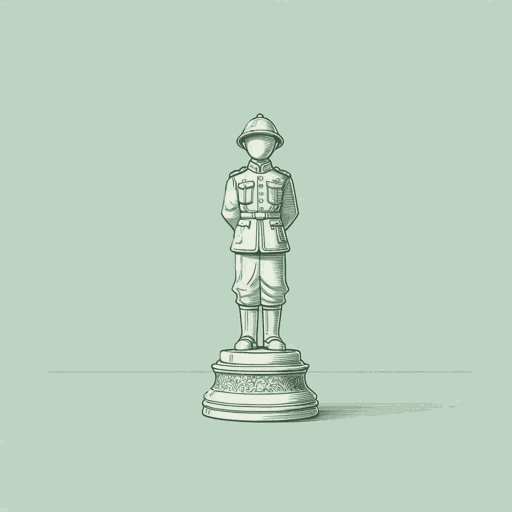
And Then There Were None
A modern alternative to SparkNotes and CliffsNotes, SuperSummary offers high-quality Study Guides with detailed chapter summaries and analysis of major themes, characters, and more. For select classroom titles, we also provide Teaching Guides with discussion and quiz questions to prompt student engagement.
Summaries & Analyses
Introduction
Before Reading
During Reading
After Reading
Games
Introduction
And Then There Were None
- Genre: Fiction; mystery
- Originally Published: 1939
- Reading Level/Interest: Lexile 570L; college/adult
- Structure/Length: 16 chapters plus epilogue and manuscript; approx. 300 pages; approx. 6 hours on audio
- Protagonist and Central Conflict: Eight houseguests at an isolated island estate begin to be murdered off one by one, their modes of death representing the lines of a children’s rhyme.
- Potential Sensitivity Issues: Murder; racist language in the original title and original children’s rhyme inspiring the plot; suicide
Agatha Christie, Author
- Bio: 1890-1976; born in Devon, England; homeschooled by her mother; studied voice and piano in Paris at 16; served as a nurse during WWI; introduced famous character Hercule Poirot in first published novel, The Mysterious Affair at Styles (1921); wrote over 70 detective and mystery novels in her lifetime, many adapted to stage plays and film; earned the Mystery Writers of America's Grand Master Award in 1955; awarded the title of Dame Commander of the Order of the British Empire in 1971
- Other Works: The Mysterious Affair at Styles (1921); Murder on the Orient Express (1934); Death on the Nile (1937); Evil Under the Sun (1941); A Pocket Full of Rye (1953); Sleeping Murder (1976)
- Awards: Credited as being the best-selling mystery novel of all time
CENTRAL THEMES connected and noted throughout this Teaching Unit:
- The Effects of a Guilty Conscience on Behavior
- The Role of Gender Stereotypes
- Death as the Ultimate Act of Justice
STUDY OBJECTIVES: In accomplishing the components of this Unit, students will:
- Develop an understanding of the literary and genre contexts that inform the novel’s style, characterization, and plot.
- Analyze paired texts and other brief resources to make connections related to the text’s themes of The Effects of a Guilty Conscience on Behavior, The Role of Gender Stereotypes, and Death as the Ultimate Act of Justice.
- Plan and construct visual media to create an alternate ending to the novel based on text details.
- Analyze and evaluate plot and character details to draw conclusions in structured essay responses regarding the role of gender, guilt, and other topics.

Get in-depth, chapter-by-chapter summaries and analysis from our literary experts.
- Grasp challenging concepts with clear, comprehensive explanations
- Revisit key plot points and ideas without rereading the book
- Share impressive insights in classes and book clubs
Related Titles
By Agatha Christie







Featured Collections
Appearance Versus Reality
View Collection
Books Made into Movies
View Collection
Books on Justice & Injustice
View Collection
Books that Feature the Theme of...
View Collection
Books that Feature the Theme of...
View Collection
Colonialism & Postcolonialism
View Collection
Fate
View Collection
Fear
View Collection
Guilt
View Collection
Horror, Thrillers, & Suspense
View Collection
Memory
View Collection
Modernism
View Collection
Mortality & Death
View Collection
Mystery & Crime
View Collection
Popular Book Club Picks
View Collection
Popular Study Guides
View Collection
Safety & Danger
View Collection
School Book List Titles
View Collection
The Past
View Collection
Truth & Lies
View Collection
TV Shows Based on Books
View Collection