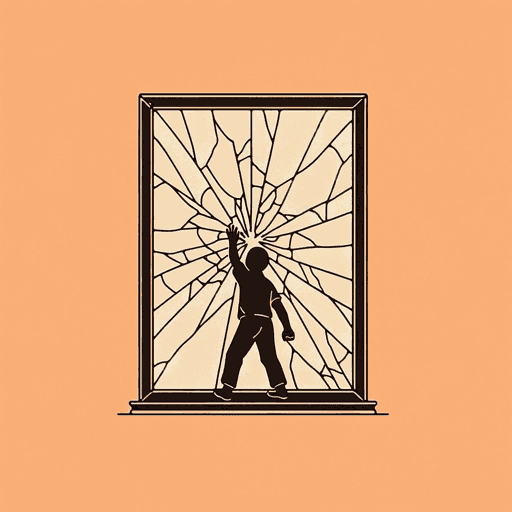
Boy Breaking Glass
A modern alternative to SparkNotes and CliffsNotes, SuperSummary offers high-quality Study Guides with detailed chapter summaries and analysis of major themes, characters, and more.
Character List
Meet the key characters, with insights into their roles, motivations, and relationships—spoiler-free.
Major Characters
The boy is a young, disaffected Black child living in a neglected inner-city tenement. Deprived of traditional resources and avenues for creative self-expression, he turns to breaking glass to leave a mark on his environment. He carries a deep, inherited awareness of his marginalization and history, viewing his destruction of property not as vandalism, but as a desperate assertion of identity.
Observed and evaluated by The Speaker
Descendant of The Ancestors
Alienated from Traditional Artists
The speaker is an observer with the trained eye of an art critic. Initially, the speaker views the broken window from a distanced, aesthetic perspective, judging it as an object of art rather than a cry for help. As the poem progresses, the speaker begins to actively listen to the boy, moving past superficial judgment to recognize the profound grief and systemic failure driving the boy's actions.
Observer and interpreter of The Boy
Respondent to Marc Crawford
Supporting Characters
Marc Crawford is a highly respected Black editor and cultural gatekeeper. He prompts the creation of the poem by asking the poet how ghetto youth, overwhelmed by inequality, manage to survive, comfort themselves, and find beauty. His inquiry sets the foundation for the entire exploration of the boy's inner life.
Commissioner and prompt for The Speaker
These artists represent the conventional, sanctioned world of artistic creation. They possess the time, space, and resources to master their craft and produce work in comfortable settings. They rely on minor musical keys to express sadness, contrasting sharply with the raw, urgent reality of the inner city where conventional art is impossible.
Foil and contrast to The Boy
The enslaved forebears of the boy. They survived brutal conditions and psychological domination, including the stripping of their true African names. The trauma they endured and the sharp contrast between darkness and light that they experienced in the holds of slave ships are carried forward into the boy's present reality.
Historical forebears of The Boy
Related Titles
By Gwendolyn Brooks