East of Eden
A modern alternative to SparkNotes and CliffsNotes, SuperSummary offers high-quality Study Guides with detailed chapter summaries and analysis of major themes, characters, and more.
Summaries & Analyses
Author Insights
Quizzes
NEWReading Tools
Games
Symbols & Motifs
Content Warning: This section of the guide includes discussion of emotional abuse and death.
Darkness
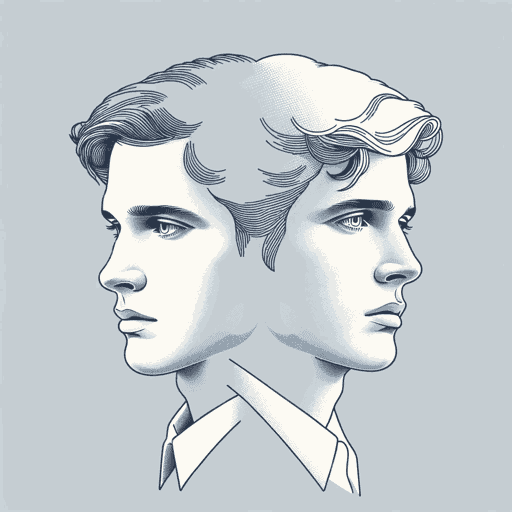
The novel explores darkness as a physical and spiritual motif. Charles and Cal have dark skin, dark hair, dark eyes, and a dark aura, echoing a conventional, stereotypical association of darkness as a bad thing. Their darkness emphasizes the lightness of their blond brothers—and vice versa. Characters seem automatically attracted to Adam and Aron but immediately put off by the darkness of Cal and Charles. This prejudice stems from the mark of Cain in the Bible, which Charles obviously has in the form of a dark scar on his forehead. Cain’s punishment after killing Abel is to walk the Earth a scarred man. The dark mark on Cain’s forehead will pass down through the generations, marking all his descendants as sinful. Charles and Cal’s physical darkness becomes almost a self-fulfilling prophecy. Because they’re treated as plausibly bad and unattractive, they lean into that identity and act bad. Their spiritual darkness links to their physicality—and to the love withheld from them because of their dark exterior.
Brotherhood
The novel follows two sets of brothers, the second pair of which parallels the first pair. The half-brothers Adam and Charles are close in age, and their conflicts center around Charles’s violent temperament, for which the trigger is his jealousy and resentment that their father loves Adam more, even though Adam does nothing to deserve that love. Likewise, the twin brothers Aron and Cal duel between good and bad. Cal must work hard to prove himself loveable to other people, while Aron receives love even though he’s narcissistic and immature. Brotherhood juxtaposes these plots. The brothers love yet fear one another; they appreciate yet resent each other. Tales of toxic brotherhood abound in the Bible because social constructs teach men to compete with one another for God’s love, a father’s love, and women. The novel thus explores brotherhood as a tie that both binds and separates. Both sets of brothers must depart from one another to live happy lives, yet they miss one another’s shadows when their dichotomous other is out of the picture.
The Bible
Steinbeck draws on the Book of Genesis when structuring the novel’s plot, and the Bible serves as a motif of The Essential Conflict of Being Human: Balancing Good and Evil. The Bible provides moral instruction and denounces wrongdoings like fratricide. In particular, the author takes inspiration from the stories of Adam and Eve and Cain and Abel from the Book of Genesis. Even the novel’s title derives from the Bible. “East of Eden” is where Cain eventually settles after he’s punished for murdering his brother Abel. This title signals how the characters search for acceptance and peace, just as Cain is doomed to wander the earth.
Steinbeck uses Biblical motifs to emphasize the role of the Trask family’s generational trauma in the characters’ inner struggle between good and evil. As in the Biblical story of Cain and Abel, a father’s favoritism leads to jealousy and betrayal between two brothers. This first occurs when Cyrus’s preference for Adam leads Charles to try to kill Adam. In the next generation, Adam’s favoritism leads Cal to inflict psychological violence on his brother. He reveals their mother’s occupation to Aron, which troubles Aron so greatly that he enlists in the army, leading to his death in World War I. By showing how this destructive pattern repeats through the generations, Steinbeck reinforces his argument that the struggle between good and evil is inherent to human nature.

Unlock the meaning behind every key symbol & motif
See how recurring imagery, objects, and ideas shape the narrative.
- Explore how the author builds meaning through symbolism
- Understand what symbols & motifs represent in the text
- Connect recurring ideas to themes, characters, and events
Related Titles
By John Steinbeck









Featured Collections
American Literature
View Collection
Family
View Collection
Good & Evil
View Collection
Historical Fiction
View Collection
Nobel Laureates in Literature
View Collection
Realistic Fiction (High School)
View Collection
Religion & Spirituality
View Collection
Valentine's Day Reads: The Theme of Love
View Collection