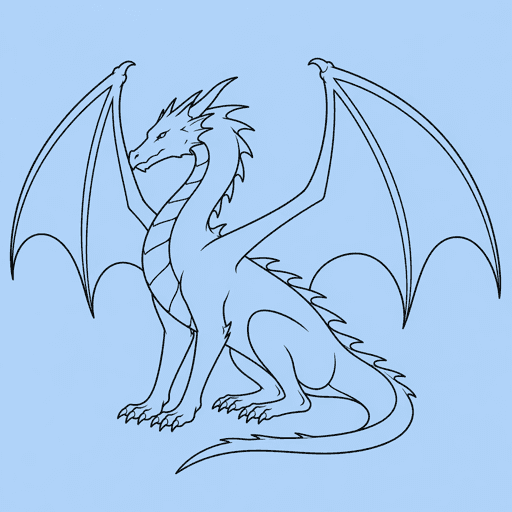
Fear the Flames
A modern alternative to SparkNotes and CliffsNotes, SuperSummary offers high-quality Study Guides with detailed chapter summaries and analysis of major themes, characters, and more.
Summaries & Analyses
Quizzes
NEWReading Tools
Themes
Content Warning: This section of the guide includes discussion of death, graphic violence, child abuse, physical abuse, emotional abuse, and gender discrimination.
Reclaiming Agency After Trauma and Captivity
In Olivia Rose Darling’s Fear the Flames, reclaiming agency after severe trauma depends on Elowen’s ability to turn that history into a weapon, take control of the story that others wrote for her, and resist old power structures. The protagonist grows up under imprisonment and abuse. For her, freedom means holding power over those who harmed her and shaping her own future. Elowen’s painful past and her violent journey toward vengeance and seizing her power guide the novel’s structure and tone.
Elowen makes one of her first moves toward reclaiming her agency by taking a bold political risk. When she learns that Vareveth soldiers are searching for her, she arranges a meeting with their commander instead of hiding. She recognizes Cayden as her father’s enemy and builds a “codependent, vengeance-based alliance” by trading future military support for help freeing her dragons (32). Her decision to leave the relative shelter of her hidden kingdom becomes her first step into the continent’s conflicts on her terms. She stops living as someone who only escapes pursuit and begins using her past as the “lost princess” to advance her primary goal. This action marks her shift from fleeing from her past to confronting it.
The protagonist’s relentless training with her blades is another key aspect of her fight for agency. After escaping Imirath, she commits herself to mastering weapons as a way to honor her vow to “never be helpless again” (49). Her body, once associated with pain and captivity, becomes a force she controls. This training answers the powerlessness she felt in her father’s dungeon and ensures that she will never again yield to anyone’s control. Her identity moves from that of a prisoner who endured torment to that of a fighter who can answer violence with violence.
Her transformation reaches its height when Elowen confronts Robick, the worst of her childhood abusers. She tortures him before killing him, echoing the cruelty she once experienced at his hands. She slices off his fingers one at a time, with each cut marking a dragon he kept from her. This reversal of their old dynamic makes her the executioner and leaves him powerless. Her journey comes full circle through this direct confrontation with her former tormentor, as she meets her trauma head-on and asserts control over it. Through Elowen’s character arc, Darling suggests that survivors of trauma can reclaim their sense of agency by confronting their pasts and rebuilding their belief in their own strength.
Female Power as a Threat to Patriarchal Control
The patriarchal systems in Ravaryn treat powerful women as threats that must be controlled, contained, or erased. The book shows that this control can appear through open violence, political maneuvering, protective paternalism, or attempts to reshape a woman’s identity to match male expectations. King Garrick’s brutal attacks on Elowen’s dragon bond and the subtler efforts of other men to limit her ambition reveal a world where patriarchal authority depends on suppressing female agency and where a woman’s refusal to yield becomes an act that challenges the continent’s entire corrupt power structure.
Garrick’s response to his daughter’s strength sets the theme into motion. A seer declares “that the princess’s soul was forged from the fire of the gods […] and that she w[ill] be either the ruination or the glory of her kingdom” (4), and the king treats this prophecy as a threat to his own power. When one of her young dragons bites him to protect her, his fear turns into violent retaliation. He imprisons Elowen, separates her from her dragons, and subjects her to years of abuse meant to destroy their bond. His violence shows how the world’s patriarchal order responds when a woman holds power that no man can shape. Garrick acts not only as a cruel father but also as a king determined to protect a system built on his absolute authority.
The impulse to control Elowen appears through quieter political and personal pressure as well. In Vareveth, King Eagor and Queen Valia treat her as a political opportunity rather than as a fellow monarch. Valia presses her to marry a nobleman to make her more susceptible to their influence. Even Ailliard, her uncle and rescuer, reinforces this pattern. He urges her to abandon vengeance and says, “Your ambition will get you killed. Make peace with your past and be done with it” (46). Although Ailliard frames this advice as loving concern, he echoes the expectation that a woman marked by trauma should accept a quiet life instead of claiming power or justice.
Elowen’s path pushes back against these restrictive pressures. Her alliance with Cayden lets her step outside the structures that seek to confine her and to use her strength for her own goals. Near the novel’s climax, Garrick attempts to strip Elowen of legitimacy and gather opposition by obscuring his role in the events around his wife’s death and publicly denouncing his daughter as a killer: “Princess Elowen Atarah, my lost daughter, has come out of hiding years after murdering your queen to align with our enemy! She has spilled Atarah blood and will die for going against it” (301). Her refusal to accept his manipulative version of her identity and her eventual ascension as the dragon queen of Vareveth undermine the system that tried to restrain her. Darling’s romantasy encourages women to realize their political power and resist those who seek to limit the space they can occupy.
The Intersection of Political Alliance and Personal Desire
In Fear the Flames, alliances built on necessity and shared enemies give rise to personal desire and unexpected emotional depth. Darling traces this theme through Elowen and Cayden’s partnership, which begins as a practical arrangement and grows into a bond where strategy and attraction merge. Their shift from wary allies to lovers shows how, in a world shaped by political danger, genuine connection emerges through joint risk and aligned purpose.
Elowen and Cayden’s relationship begins as a transaction. According to the terms of their “codependent, vengeance-based alliance” (32), he’ll help free her dragons, and she’ll commit their strength to his war against Imirath. Their early trust forms through common enemies and necessity. Cayden relies on her unique magical power, and she relies on his resources and military experience. This foundation keeps their early interactions rooted in strategy, but their blunt honesty with each other creates a space where another kind of closeness can take shape.
Their partnership shifts as Cayden’s protective actions grow more personal. He works as her guard, but his behavior stretches beyond duty. When a man confronts Elowen in a tavern, Cayden’s intervention shows a possessiveness far removed from strategy. Later, after she endures a vision at Kallistar prison, he holds her in a way that reflects care rather than calculation. These moments reveal an emotional investment that comes from shared danger and the secrecy around their mission.
The line between political ally and romantic partner eventually dissolves through the couple’s shared vulnerability and growing desire for one another. Their staged interaction at a brothel eventually leads to their first sexual encounter, during which Cayden admits the depth of his feelings: “You’ve ruined me in this life, the next, and any that follow” (321). His merging of personal and political motivations becomes permanent when he invokes the marriage clause to claim the Vareveth throne. His choice reshapes the narrative’s political landscape and also anchors his and Elowen’s commitment to each other. Their union shows how ambition and desire intertwine until they become inseparable.
Ultimately, the transformation of their alliance into a joint reign as the Conquerors of Vareveth signifies the total synthesis of their personal and political identities. Their coronation and betrothal ceremony serve as a public declaration that their romantic union is now the bedrock of a new geopolitical order. By the novel’s end, the boundaries between them have shifted significantly. As Elowen takes her place as a dragon-riding queen with Cayden kneeling before her, it’s clear that their personal desire for one another has become the very force that will drive the impending continental war. In the world of Ravaryn, their love is not a retreat from the struggle for power but the primary weapon they will use to reshape it. By examining the interplay between political ambition and personal desire, Darling offers the intrigue and romance typical of the romantasy genre.

Unlock every key theme and why it matters
Get in-depth breakdowns of the book’s main ideas and how they connect and evolve.
- Explore how themes develop throughout the text
- Connect themes to characters, events, and symbols
- Support essays and discussions with thematic evidence