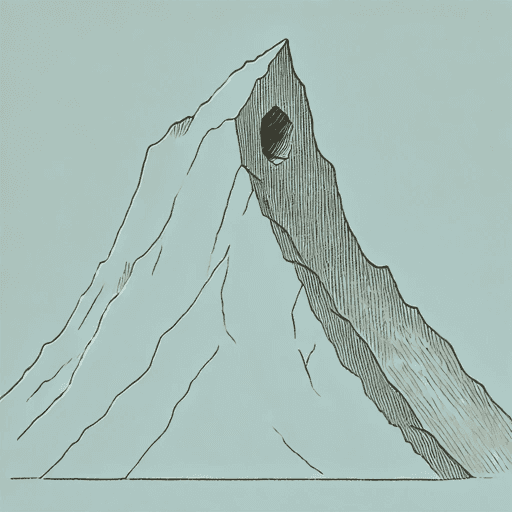
Kneeknock Rise
A modern alternative to SparkNotes and CliffsNotes, SuperSummary offers high-quality Study Guides with detailed chapter summaries and analysis of major themes, characters, and more.
Summaries & Analyses
Quizzes
NEWReading Tools
Background
Literary Context: Folklore Traditions in Modern Literature
Kneeknock Rise marries elements of traditional European folklore with modern literary themes that examine the purpose of myth and belief. The story draws on the folkloric tradition of mythical creatures inhabiting mysterious landscapes. For example, the Megrimum echoes creatures found in European folklore, such as the Wendigo or the Loch Ness Monster, which exist as symbols of unexplained forces of nature that both terrify, captivate, and define communities. Like these creatures, the Megrimum’s existence in the mountains of Instep is fueled by local superstition and the community’s need to explain the unknown. The Megrimum, like many monsters from European folktales and literature, such as The Princess and the Goblin, serves as a metaphor for humanity’s struggle to understand and cope with the unexplained. In European folklore, mysterious creatures like dragons or forest spirits often represent the unknown—forces that must be conquered or appeased, such as the way the townspeople in Kneeknock Rise grapple with their fear and awe of the Megrimum.
As a work of modern literature, Babbitt’s story challenges traditional notions of myth. The tension in Kneeknock Rise between believing in the supernatural and uncovering its true nature mirrors the broader conflict in modern literature between the comforting simplicity of myth and the complex, often harsh realities of life. The story, thus, serves as a bridge between the oldest function of folklore to explain and protect, and modern literature’s examination of the human desire to discover the truth.
Kneeknock Rise follows in the tradition of authors for young readers such as Lois Lowry, who intertwine magic with real-world situations, incorporating fantastical elements into a realistic setting. The townspeople’s obsession with the Megrimum evokes modern literary works like Lowry’s The Giver that position myth as not only a cultural tool but a way for characters to process their own emotions and fears. Egan’s quest to uncover the truth about the Megrimum reflects modern literary explorations of skepticism and disillusionment, as seen in works like Life of Pi, where the importance of belief and mysticism is central to survival.
Authorial Context: Natalie Babbitt
Natalie Babbitt was a writer and illustrator of American children’s literature, celebrated for interweaving philosophical questions into accessible and entertaining stories. She began her professional career illustrating The Forty-ninth Magician (1966), written by her husband, and went on to author her own illustrated books in verse. Her first full-length novel, The Search for Delicious (1969), marked the start of her critically acclaimed storytelling. Kneeknock Rise (1970), her third novel, earned her a 1971 Newbery Honor. Later works, including Tuck Everlasting (1975), solidified her reputation by exploring complex themes like eternity, loyalty, and moral responsibility in imaginative settings. Tuck Everlasting received the Christopher Award in 1975 and has been adapted twice for film and once as a Broadway musical.
Babbitt’s style is noted for its clarity, subtle wisdom, and emotional depth. These qualities earned her the E. B. White Award in 2013 for lifetime achievement in children’s literature. Other significant works include The Eyes of the Amaryllis (1982), Herbert Rowbarge (1982), Jack Plank Tells Tales (2007), and The Moon Over High Street (2011). Babbitt often illustrated her own books and collaborated with poets like Valerie Worth. Even after her death in 2016, her work remains influential in classrooms and among readers of all ages who appreciate both fantasy and philosophy.

Get in-depth, chapter-by-chapter summaries and analysis from our literary experts.
- Grasp challenging concepts with clear, comprehensive explanations
- Revisit key plot points and ideas without rereading the book
- Share impressive insights in classes and book clubs