Plain Truth
Plain Truth
A modern alternative to SparkNotes and CliffsNotes, SuperSummary offers high-quality Study Guides with detailed chapter summaries and analysis of major themes, characters, and more.
Summaries & Analyses
Quizzes
NEWReading Tools
Symbols & Motifs
Content Warning: This section of the guide includes discussion of rape, graphic violence, and child death.
The Newborn Baby
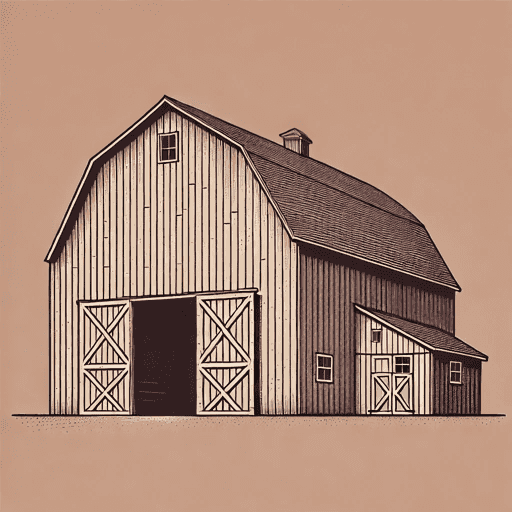
The newborn baby symbolizes the undeniable, physical truth that the characters attempt to conceal, deny, or reinterpret. As a corporeal fact in a world of conflicting stories, his existence is the catalyst that forces a confrontation between the Amish and English legal systems. His discovery in the barn is the event that unravels the community’s fragile peace. When a farmhand finds him, he stares “down into the tiny, still face of a newborn” (7). This quiet, jarring image marks the intrusion of a catastrophic secret into the pastoral world of the Fishers.
The baby emphasizes the concrete consequences of hidden actions, whether of passion or violence. For Katie, his body is the physical manifestation of a memory her mind cannot or will not hold, linking directly to the theme of The Unreliability of Memory and the Malleability of Truth. For Sarah, the newborn child represents The Paradox of Maternal Power and Vulnerability. Feeling helpless after the loss of Hannah and Jacob, she chooses to conceal the truth, as her urge to protect one child leads her to destroy another. Sarah’s decision to smother the newborn is the catalyst for the novel’s events, as each of the characters try to fabricate a story surrounding his fate. The infant’s body is the ultimate piece of evidence, a silent witness whose very existence demands a reckoning. His symbolic weight forces every character, and the reader, to question where the “plain truth” lies when faced with an indisputable, tragic reality.
Secrets and Lies
The motif of secrets and lies highlights the tension between outward conformity and inner turmoil. This pattern of deception, from minor omissions to life-altering cover-ups, pervades the story and directly fuels the theme of The Unreliability of Memory and the Malleability of Truth. Characters consistently construct realities that allow them to survive unbearable circumstances. Katie hides her pregnancy and her trips to see her brother, Jacob, creating a dual identity visually represented by her changing into “English” clothes. Even Jacob, believing he is protecting his sister, keeps Adam’s letters from her, a secret that proves devastating. He admits to Ellie, “I know Katie hasn’t been writing to him because I never gave her a single one of these” (246). This confession reveals how even secrets kept out of love contribute to the web of lies that ensnares the characters.
Secrecy is a destructive survival mechanism, particularly within a community where reputation is paramount and the fear of shunning is a powerful motivator. The Amish social structure depends on collective harmony, yet this very emphasis encourages silence and concealment when individuals deviate from accepted norms. As a result, truth becomes fragmented, buried beneath layers of fear and obligation. This idea is emphasized by Katie’s character, who first lies about her pregnancy, then lies to Dr. Polacci about being raped, succumbing, eventually, to external forces and revealing what Ellie wants to hear. The novel’s final, shocking revelation of Sarah’s secret is the ultimate testament to this motif, demonstrating that the most significant truths can be those most deeply suppressed. In the end, Ellie’s decision to keep this truth to herself underscores the idea of secrecy as a form of survival, as she understands that exposing the truth would not deliver justice in any meaningful sense; instead, it would further destroy lives, fracture the community, and punish someone who has already endured immense suffering.
Confession
The act of confession is a recurring motif that starkly contrasts the divergent goals of Amish and “English” justice. It serves as the primary vehicle for exploring the theme of The Conflict Between Communal and Individual Justice, questioning whether truth serves to reconcile or to punish.
For the Amish, confession is a public ritual of humility meant to restore harmony and welcome a sinner back into the community, regardless of the objective facts of the transgression. As Katie explains, even if falsely accused, one confesses because “you just want to get it over with, take the punishment, so that you can be forgiven and welcomed back” (380). This cultural imperative stands in direct opposition to the English legal system, where a confession is an admission of individual guilt that leads to punishment and exclusion. This dichotomy is central to Katie’s conflict; she willingly confesses her “sin” to the church but denies the murder to the court. In the end, the novel ties confession to the importance of accepting responsibility and its moral consequences. Although Katie’s trial ends in a “no contest” plea, she is forced to grapple with the truth, accept responsibility, and deal with the guilt of her child’s death—even without a formal conviction from the court.

Unlock the meaning behind every key symbol & motif
See how recurring imagery, objects, and ideas shape the narrative.
- Explore how the author builds meaning through symbolism
- Understand what symbols & motifs represent in the text
- Connect recurring ideas to themes, characters, and events