Shadow
53 pages • 1-hour read
Michael MorpurgoShadow
A modern alternative to SparkNotes and CliffsNotes, SuperSummary offers high-quality Study Guides with detailed chapter summaries and analysis of major themes, characters, and more.
Symbols & Motifs
Stars
Content Warning: This section of the guide includes discussion of death and child death.
In Shadow, stars symbolize hope, faith, friendship, and luck. The narrative is framed by two scenes of Matt and Grandpa stargazing together, and this activity emphasizes their deep bond. For Grandpa, the stars represent his faith that his deceased wife is looking down on them. Aman shares a similar connection between the stars and his deceased father. He says that Mr. Khan used to tell Aman to count the stars to fall asleep; in this way, stargazing provides Aman with a sense of comfort and protection amid the brutal heat, cold, and hunger he suffers when he and his mother flee Bamiyan on foot.
As Aman leaves the Army base in Afghanistan, Sergeant Brodie gives him his regiment’s silver, star-shaped badge. Aman is fiercely proud of this badge and becomes very attached to it. He thinks of it as a talisman that brings him luck. In moments of anxiety or sorrow, he holds it, and it brings him hope and comfort. When he has Shadow with him, he turns to the dog for stability; and after he gives her up, the badge replaces the dog. It also represents his connection with Sergeant Brodie and Shadow, as well as Aman’s hopes that he will see them again.
During particularly dangerous periods on his journey to England, Aman holds the badge tightly to calm himself. Once he and his mother are settled in with Uncle Mir and his family, Aman keeps the badge on his person at all times. This signifies the star-shaped badge’s importance to him and explains why he still has it at the detention center. However, Aman gives the badge to Grandpa and asks him to pass along to Matt.
Matt recognizes the symbolic importance of the badge, and like Aman, he pours his hopes into it as he clutches it tightly at the protest. When he finds himself growing increasingly frustrated as the protest’s chance of success ebbs with the rain and police presence, he holds onto the star even more tightly. For Matt, the star represents Aman himself and his wish to see his best friend free. When Aman is released, Matt returns the star to him. Neither of them feels the need to say anything, as the exchange of the star represents their close bond of friendship as well as Aman’s faith that Matt will help free him from the detention center.
Ahmed’s Red Toy Train
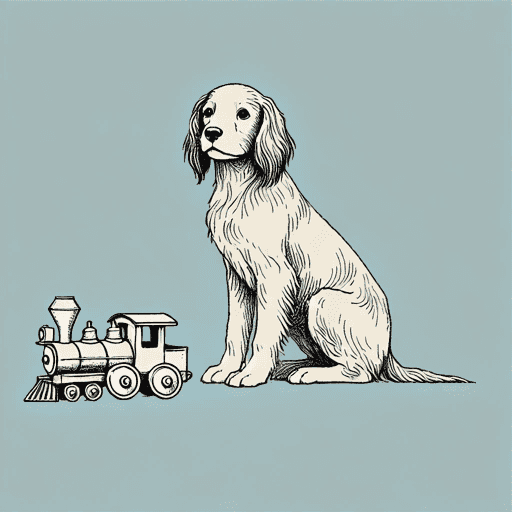
Ahmed is a little Pakistani boy who dies in transit while a fixer smuggles a group of refugees through Iran in a metal shipping container. He is charming and instantly endears himself to the others in the shipping container. He and Aman become instant friends. Ahmed lets Aman play with his prized possession: a red toy train. Aman still keeps the train on his windowsill in memory of his friend. The train symbolizes the tragic innocence of migrant children like Ahmed who are forced to endure great physical and psychological trauma in search of a better life. It is also a reminder of Aman’s own struggles and his own lost childhood. Although it represents the trauma of migration, the train also shows the generosity of people who have lost nearly everything they own yet still find the capacity to share what little they have.
The Little Girl in a Pink Dress
While visiting Aman and his mother at the immigration detention center, Grandpa notices a little girl in a pink dress in the visiting room. Every time the door to the outside world opens, she rushes to it, only to have the door slammed in her face. After each foiled attempt, she sits on the ground with her teddy bear, and the guard nearby stares stonily down at her. Though this is a brief scene in the novel, Grandpa cannot get the little girl out of his mind. The girl in the pink dress symbolizes the injustice of imprisoning innocent children in a place such as Yarl’s Wood. Often, families are separated in detention centers, and the fact that the little girl in the pink dress is seen without parental supervision suggests that this is the case for her. Aman’s testimony shows that incarceration is a traumatic experience, especially for children. The injustice of the scene—especially the juxtaposition of an innocent child being denied her freedom while an impassive guard looks stonily on—reawakens Grandpa’s inner journalist and prompts him to expose the injustices within Yarl’s Wood.

Unlock the meaning behind every key symbol & motif
See how recurring imagery, objects, and ideas shape the narrative.
- Explore how the author builds meaning through symbolism
- Understand what symbols & motifs represent in the text
- Connect recurring ideas to themes, characters, and events