Socks
35 pages • 1-hour read
Beverly ClearySocks
A modern alternative to SparkNotes and CliffsNotes, SuperSummary offers high-quality Study Guides with detailed chapter summaries and analysis of major themes, characters, and more.
Character Analysis
Socks
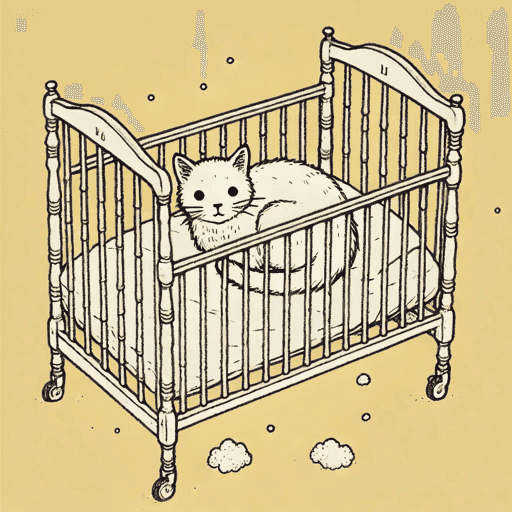
Socks is the protagonist and titular character of the novel, and his name comes from his appearance. His white paws make him look as if he is wearing socks, and this quality stands out because of the stripes over his body and the “black rings around his tail like the rings on a raccoon’s tail” (19). Cats are often considered to be stand-offish creatures who seem intentional in the trouble they cause. While Cleary nods to this interpretation with such thoughts as Socks requiring snacks as an apology for being laughed at, she also paints cats as misunderstood creatures whose actions are misinterpreted as harmful. This is seen clearly through Nana in Chapter 5. Socks is used to playing with objects he finds around the house. However, when he plays with Nana’s wig, the humans interpret this as Socks being a bad cat. In reality, Socks just thought the wig made a fun toy. Socks’s character arc also shows that cats view humans as more than just vehicles for food and shelter. Socks’s affection-seeking displays The Search for Belonging Amid Shifting Familial Dynamics, as he specifically wants to belong with the Brickers. Thus, his actions are out of desperation, not cruelty or an urge to disobey, and represent his experience of Overcoming Struggles in Challenging Relationships to Form Lasting Bonds and Adapting to New Situations Through Acceptance, Not Resistance. Socks represents the role pets play in the household, as well as how animals, like humans, are susceptible to how they are treated by those they care about. Because Socks first views Charles William as a hindrance and later accepts him as a playmate, he is a dynamic character who changes throughout the text.
Charles William
Charles William is a type of antagonist for Socks. While Charles William doesn’t actively work to stop Socks from achieving his goals, the baby does complicate The Search for Belonging Amid Shifting Familial Dynamics for Socks by existing as a barrier to this goal. Even before Charles William is born, he takes over things that used to belong strictly to Socks, such as people’s lap space. This pattern continues after the baby joins the household and starts taking attention away from Socks as the Brickers adjust to being parents. With Nana’s warnings about cats in Chapter 5, Charles William becomes even more of a threat to Socks because the Brickers start actively wondering about whether Socks should be part of the family. Following Socks’s incident with Old Taylor, Charles William becomes aware of Socks in a way he wasn’t before, and this changes the family’s outlook on Socks.
Charles William’s acceptance of Socks means that the Brickers also accept Socks. In this way, Charles William stops being a barrier for Socks because the Brickers take their cues about Socks from their son’s attitude. In the final chapter, Charles William starts actively taking a role in his relationship with Socks. The playtime mess the two make symbolizes the partnership they form. This bond cements Socks’s place in the household because Charles William’s unwavering acceptance of Socks forces the Brickers to also offer unwavering acceptance. Thus, Charles William is critical to resolving both Socks’s internal and external conflicts.

Unlock analysis of every major character
Get a detailed breakdown of each character’s role, motivations, and development.
- Explore in-depth profiles for every important character
- Trace character arcs, turning points, and relationships
- Connect characters to key themes and plot points