The Marvelous Land of Oz
45 pages • 1-hour read
L. Frank BaumThe Marvelous Land of Oz
A modern alternative to SparkNotes and CliffsNotes, SuperSummary offers high-quality Study Guides with detailed chapter summaries and analysis of major themes, characters, and more.
Essay Topics
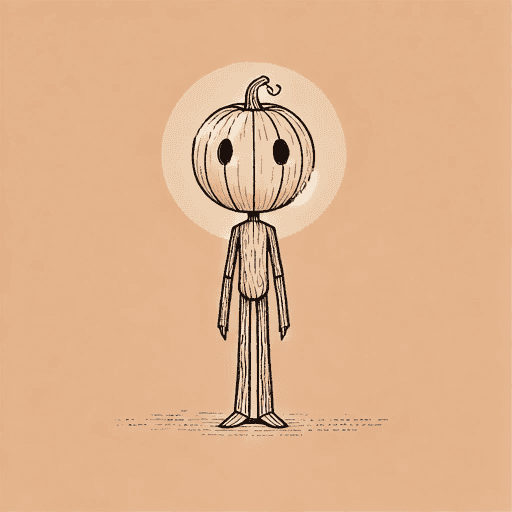
How do the distinct forms of consciousness, anxieties, and fates of Jack Pumpkinhead, the Saw-Horse, and the Gump contribute to a complex definition of personhood for artificial beings in The Marvelous Land of Oz? Include textual evidence.
The Marvelous Land of Oz simultaneously critiques General Jinjur’s rebellion and endorses Princess Ozma’s ascension to the throne, thereby distinguishing between legitimate and illegitimate forms of power. What points does the novel make about their contrasting perspectives?
In literary tradition, tales of artificial life often provide cautionary fables about the dangers of “playing God,” as in stories like Frankenstein (1818). To what extent does The Marvelous Land of Oz follow or subvert this tradition? Analyze how the relationships between creators and their creations explore the moral responsibilities of invention in Baum’s whimsical world.
How did commercial pressure to feature the Scarecrow and Tin Woodman influence the structure, character dynamics, and quest narrative of The Marvelous Land of Oz as a sequel lacking its original protagonist? What drove public interest in these constructed characters rather than in Dorothy? How does that interest persist in today’s creative consumers?
How does Tip’s initial resistance to becoming Princess Ozma complicate the novel’s ultimate conclusion that his true identity is inherent and destined? What makes this plot point so poignant to modern readers?
Examine the Scarecrow’s performance as the ruler of the Emerald City. Despite possessing famous “brains,” he’s easily overthrown and seems relieved to abdicate his throne. What does his brief and troubled reign suggest about the qualities necessary for effective leadership in Oz?
The Marvelous Land of Oz features two distinct types of magic: the innate sorcery of Mombi and Glinda, and the item-based magic of the Powder of Life and Wishing Pills. Compare these two systems. What does this distinction suggest about the sources of power and the nature of creation within the world of Oz?
Analyze how the motif of transformation functions differently for Mombi, whose changes are deceptive, and Tip, whose change is restorative.
How does Baum use mundane bureaucracy and rules within a magical setting to generate both humor and social satire? Include textual evidence.
The novel concludes with Princess Ozma’s declaration that the “only riches worth having” are the “riches of content.” Analyze this concluding moral in the context of the characters’ journeys. Does the resolution fully support this statement, or does this simple moral overlook complexities in the characters’ fates?

Unlock all 45 pages of this Study Guide
Get in-depth, chapter-by-chapter summaries and analysis from our literary experts.
- Grasp challenging concepts with clear, comprehensive explanations
- Revisit key plot points and ideas without rereading the book
- Share impressive insights in classes and book clubs